Total Solar Eclipse 2026: Where to see it and how to watch
Total solar eclipse on August 12 will cross Greenland, Iceland, and Spain for the first time since 1905

For the first time in more than two years, a total solar eclipse will cross the sky on August 12, and for parts of Europe, the wait has been far longer. Northern Spain will witness totality for the first time since 1905, making this one of the most anticipated celestial events the continent has seen in a generation.
The eclipse will traverse a 5,157-mile-long path starting from the Arctic coast at around 1pm ET before traversing the North Pole and moving over Greenland, Iceland, Portugal, and northern Spain.
Totality will last for about two minutes in Greenland, while in northern Spain, it will be less than 20 seconds. Partially blocked sunlight that forms partial eclipses can be witnessed in large swathes of Africa, Europe, and North America.
According to the European Space Agency, the last time there was a total solar eclipse on the European mainland was back in 2006. The upcoming eclipse marks the end of 121 years of waiting in Spain, where it happens in August for the first time since the last one occurred in 1905. More on this: the upcoming eclipse will mark the first of three solar eclipses within the same time span by 2028.
Live footage from the totality is provided by the European Space Agency through the Spain-based Astrophysical Observatory of Javalambre in Teruel.
How to watch the total solar eclipse of 2026?
Eclipse glasses or a solar viewer, on the other hand, are necessary throughout the whole eclipse apart from the totality phase, where the sun is entirely covered by the moon.
As soon as any light appears, one should immediately put back his protective eyewear. Regular sunglasses do not provide any protection, since eclipse glasses are thousands of times darker and certified internationally.
Any viewing apparatus such as a telescope, binoculars, or camera needs to be equipped with a solar filter on its front end. Using an optical apparatus through eclipse glasses is dangerous, as the bright light could burn through the filter and damage your eyes, as stated by NASA.
What are scientists doing during the eclipse?
The scientists will launch balloons to take photos of the shadow of the moon. It is an experiment that is similar to a scientific test performed in 1919, which demonstrated the ability of the gravitational force of the sun to bend the light rays.


-
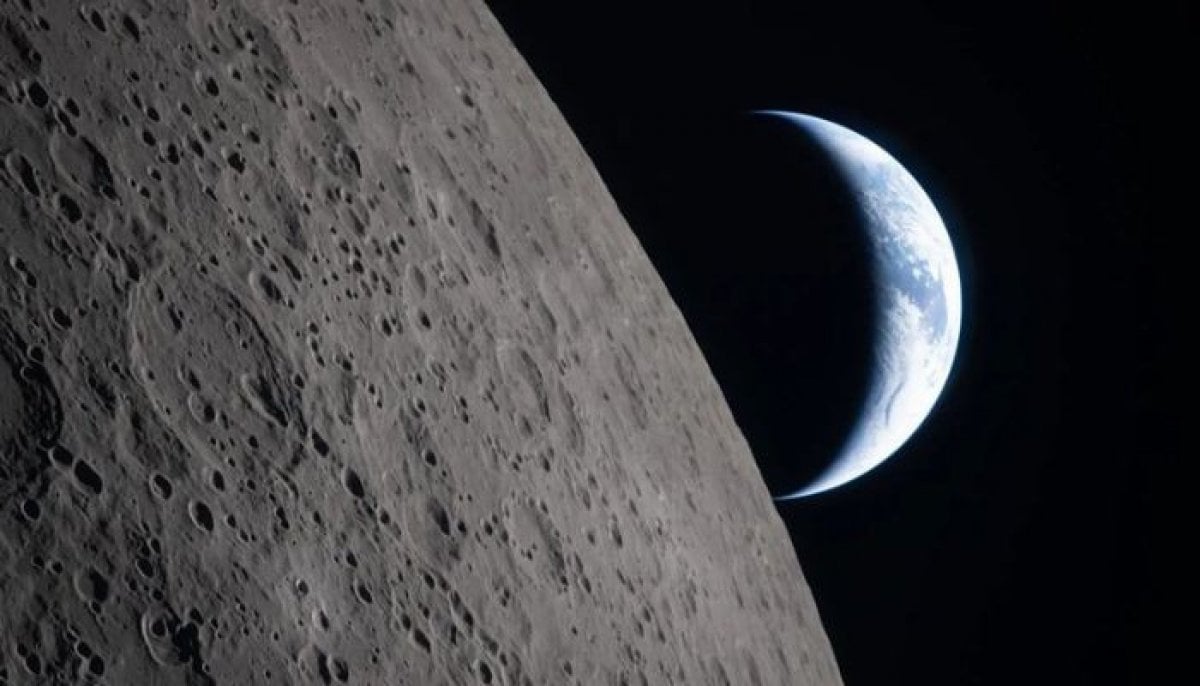 NASA to brief public on Artemis III mission progress
 -
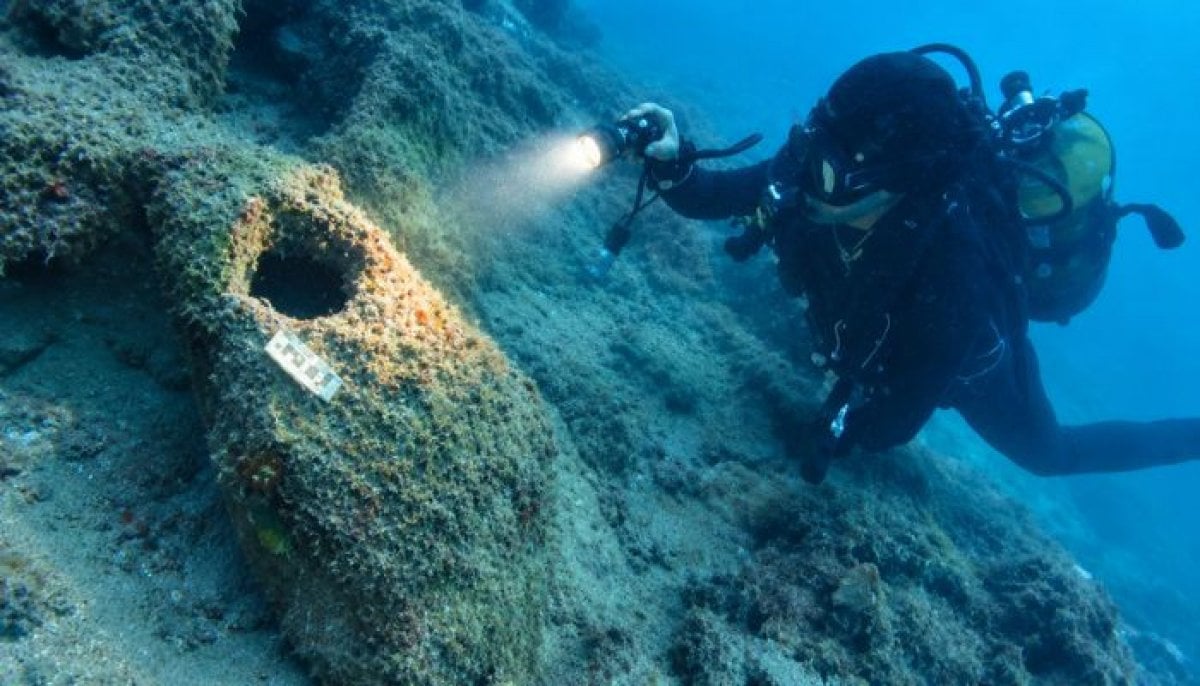 ‘Time capsule beneath the sea’: World’s oldest shipwreck holds secrets from Great Pyramid era
 -
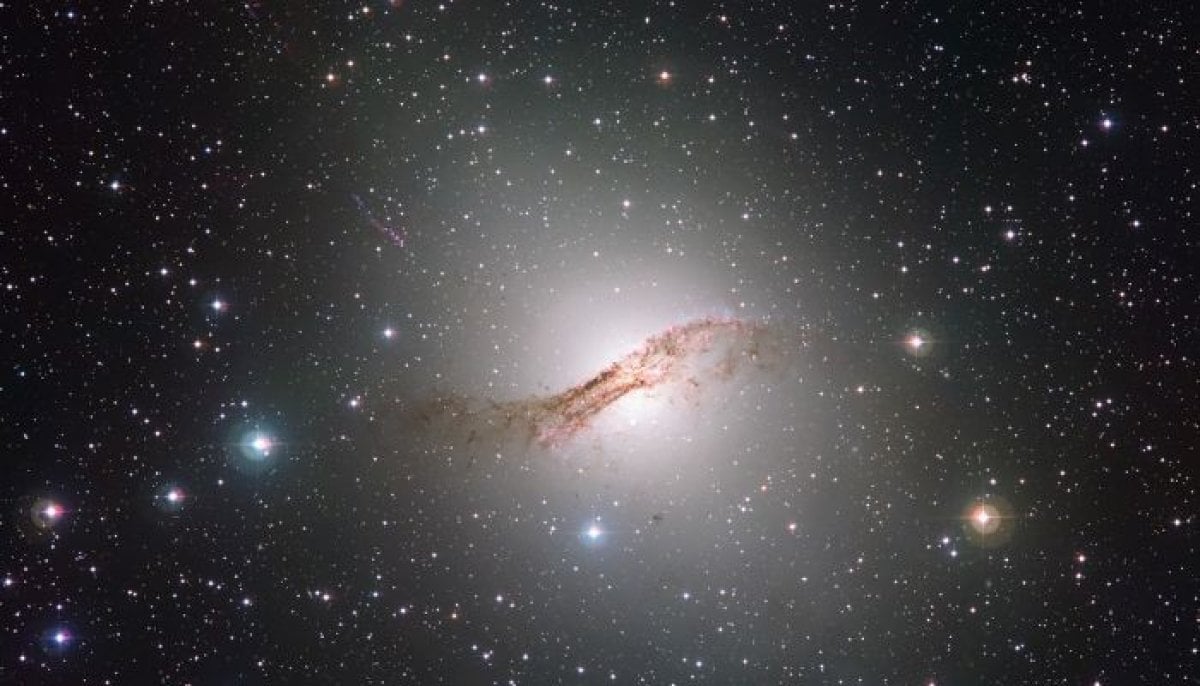 NASA spots mysterious V-shaped scar stretching 700 light-years across space
 -
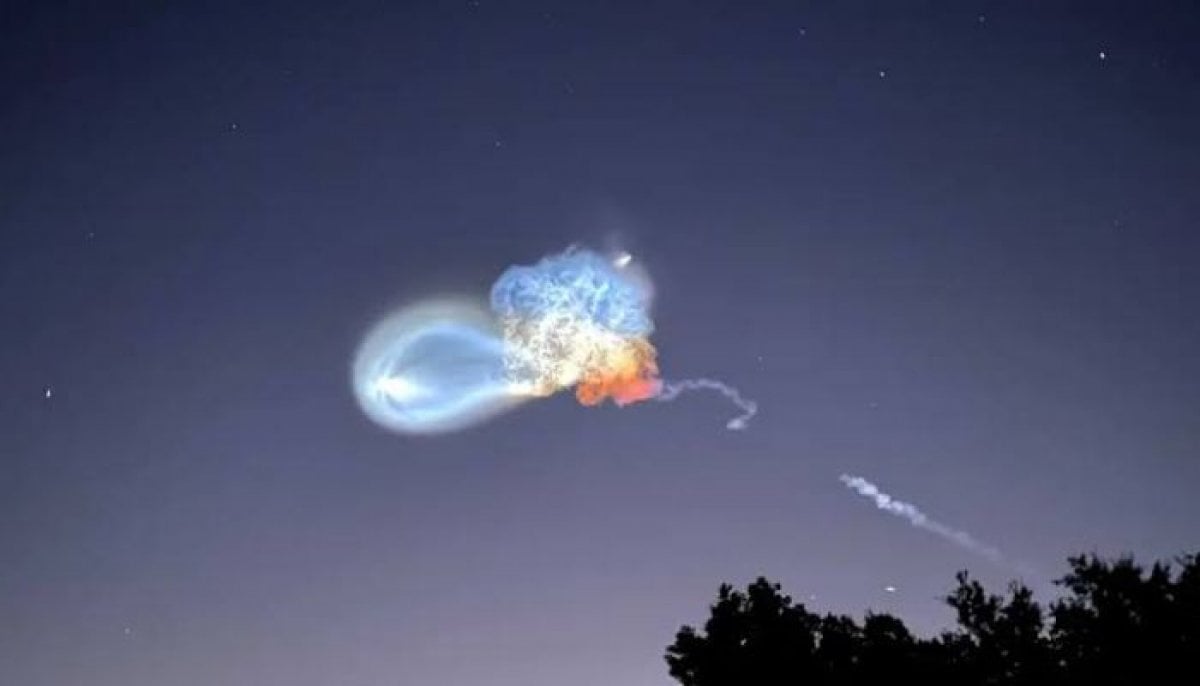 Space Jellyfish over Florida: What is that glowing cloud?
 -
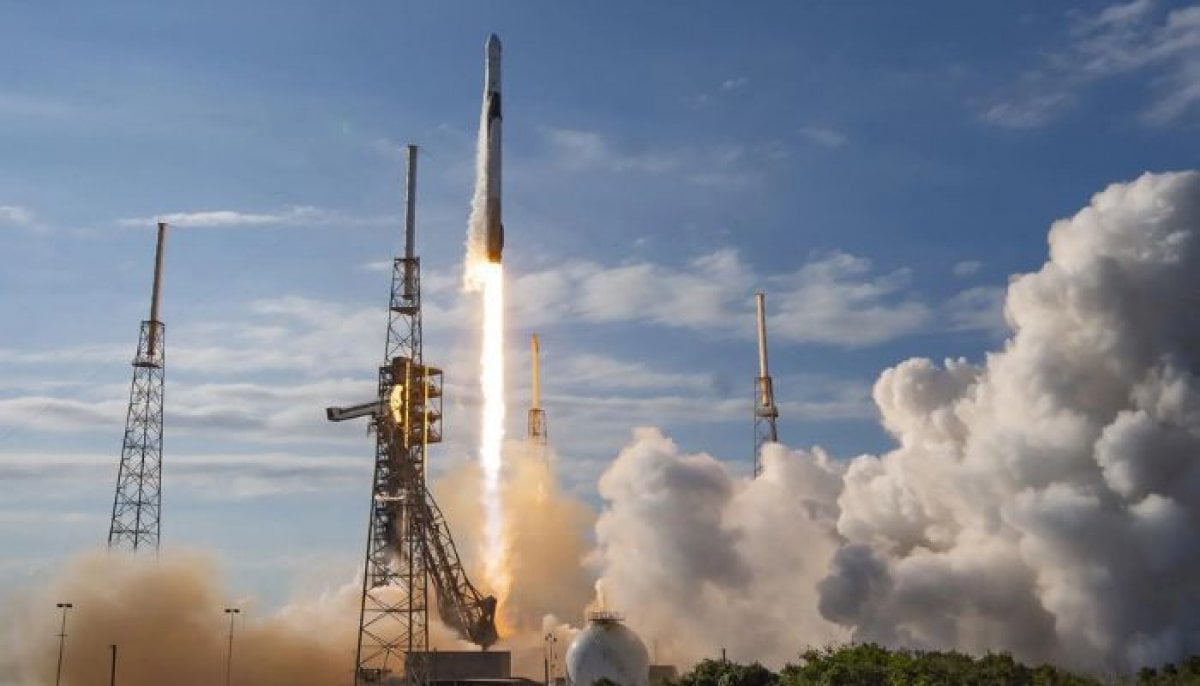 SpaceX Falcon 9 launches Dragon with 6,300 pounds of supplies to ISS
 -
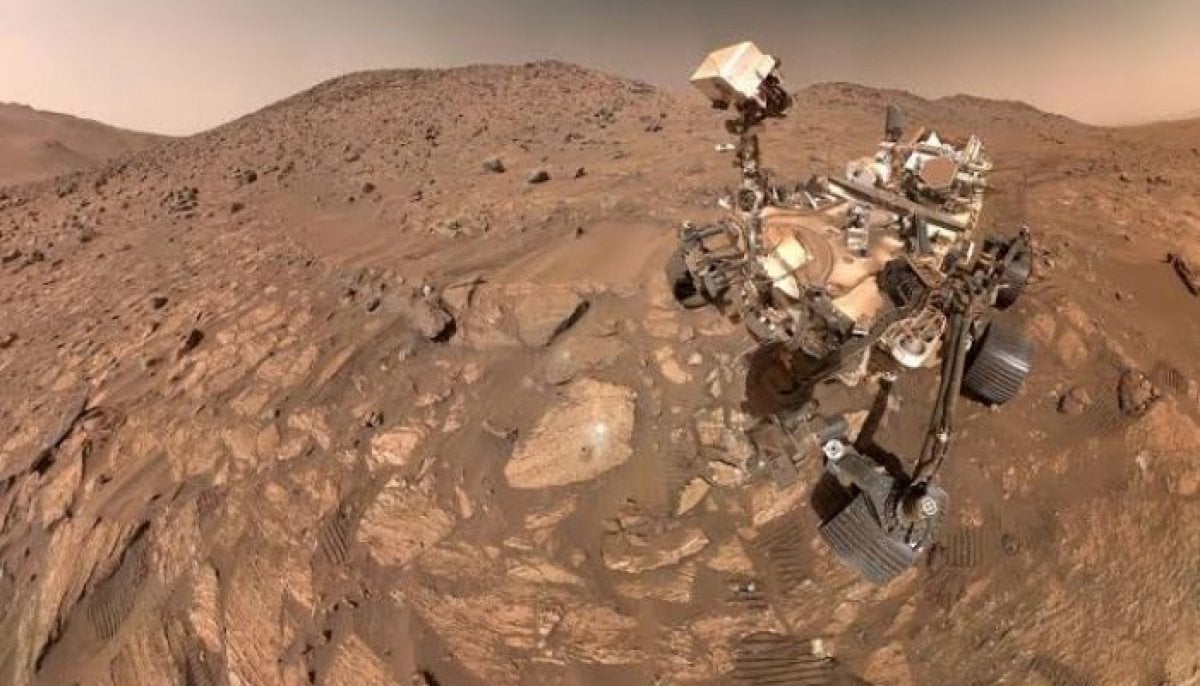 How far can a rover go? NASA’s Perseverance breaks Mars driving record
 -
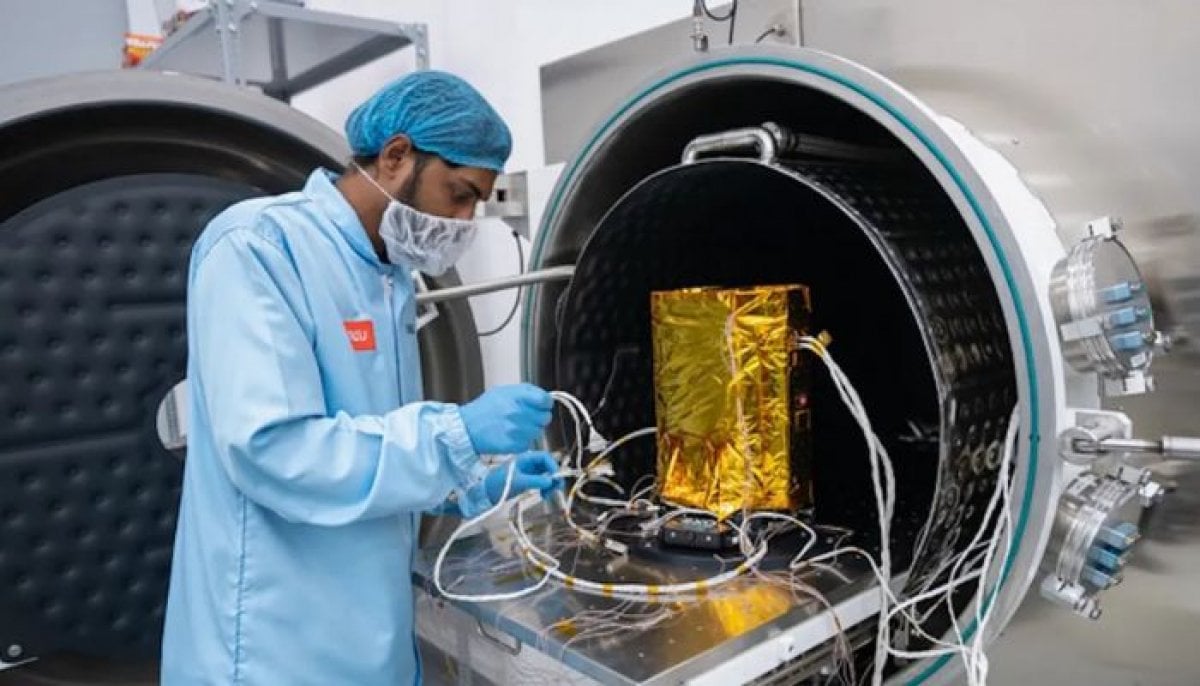 UAE builds asteroid lander designed to crash into its target
 -
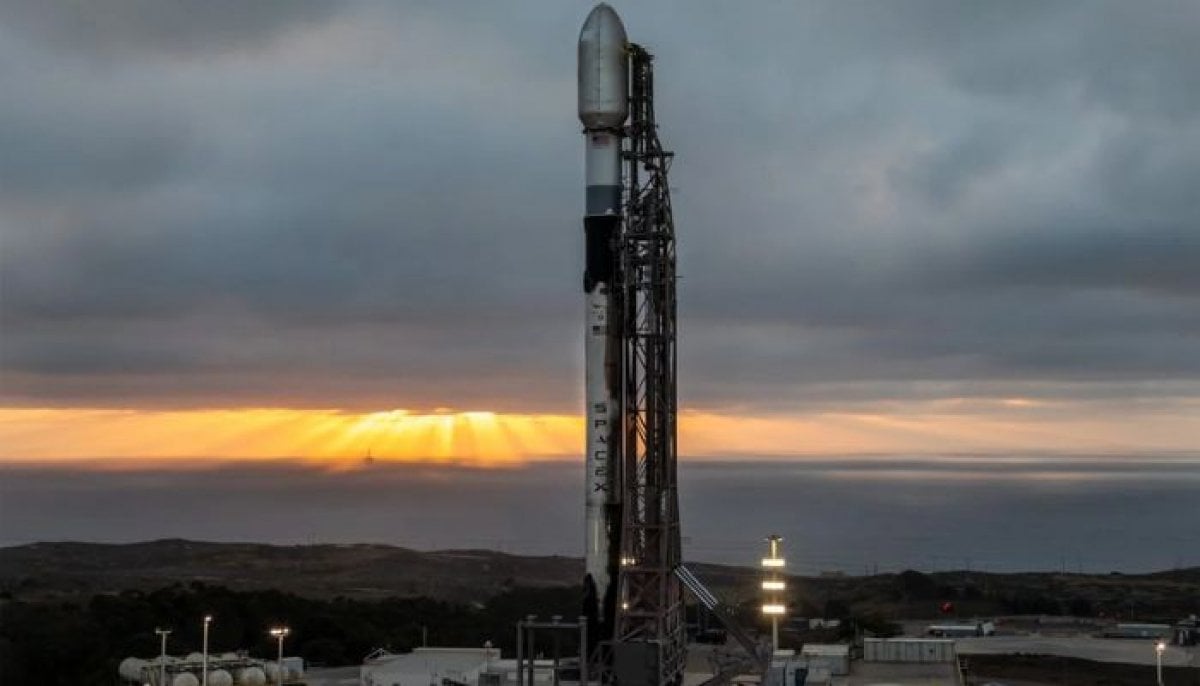 SpaceX Falcon 9 launches 21 military satellites into orbit