SpaceX partners with startup Cursor: Building the ‘world’s best’ AI for the vibe coding era
Cursor which operates in the AI-assisted software development space sits at the center of this significant shift

The announced SpaceX and Cursor deal represents a massive structural shift in the AI economy. It signals that AI coding tools have graduated from productivity apps to essential infrastructure.
In line with recent revelations, SpaceX has secured a “call option” to fully acquire Cursor for $60 billion by the end of 2026.
If SpaceX chooses not to acquire, they will instead pay a $10 billion fee for a strategic collaboration and shared compute access.
This structure allows SpaceX to test integration before a full commitment while providing Cursor with a massive financial “floor.”
This deal gives SpaceX flexibility to determine whether Cursor becomes part of its broader AI and software infrastructure strategy or remains a long-term partner in a collaboration model.
Cursor holds pivotal significance within the competitive ecosystem of AI coding tools, positioning itself between foundation models and deployment environments. This is significant because the company influences how software is produced at scale.
Cursor’s AI is embedded directly into the software production pipeline. As of February 2026, Cursor became the fastest company to hit $2 billion in annualized revenue, with over half of the Fortune 500 using the tool.
While Cursor’s primary bottleneck has been training compute, this deal grants them access to xAI’s “Colossus” supercomputer.
The SpaceX-Cursor arrangement fits into a wider pattern seen across the technology sector in recent years, where major platforms acquire or partner with companies controlling critical layers of digital production.
Regarding SpaceX’s infrastructure pivot, this moves signals expansion into software intelligence systems that support Starlink, Starship, and general engineering workflows.
The company is preparing for a June 2026 IPO at a projected $1.75 trillion valuation. The deal follows the recent departure of xAI co-founders, helping Musk bring in elite AI talent from Cursor like Michal Truell and senior engineers.
This follows a pattern seen with Microsoft/ Github, Google/DeepMind, where companies controlling the layers of digital production are being consolidated.
The arrangement raises concerns about digital autonomy, as critical developer tools move away from open standards into large, closed ecosystems. At present, innovation is accelerating, the consolidation of critical developer tools within large ecosystems risks stifling openness in software creation.
Nonetheless, the current high-value option structure reflects a new trend where tech giants negotiate for access to capability rather than immediate, outright ownership.


-
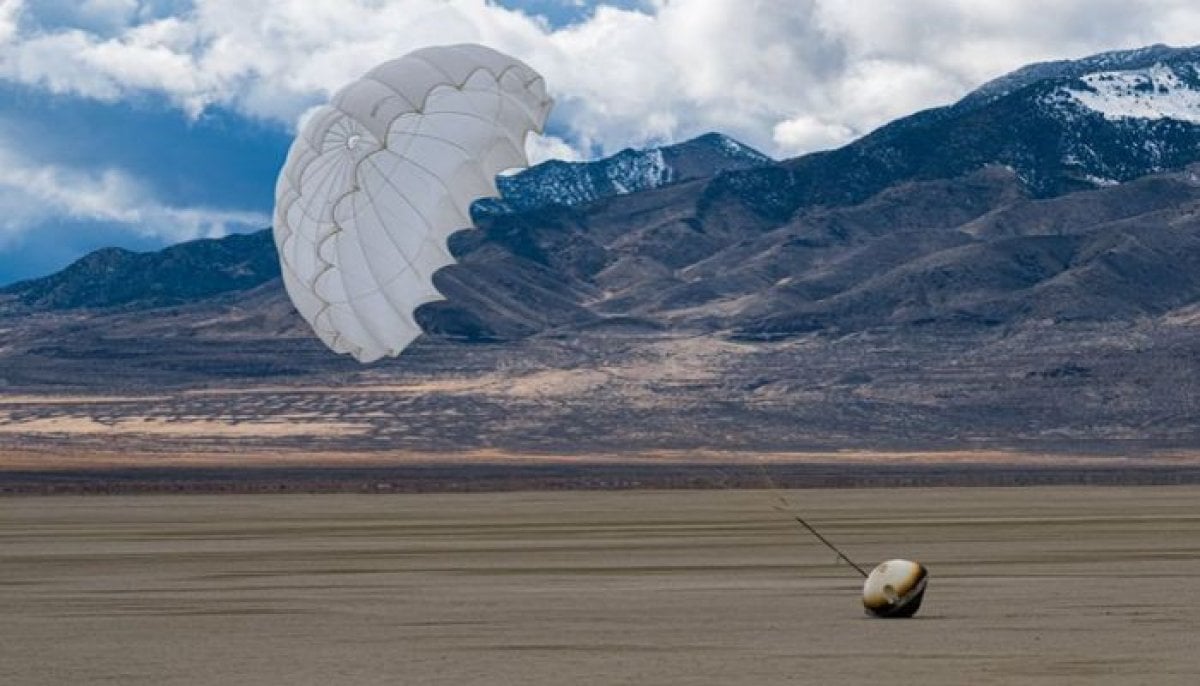 Can cancer drugs be made in space? Here’s what the new mission aims to find out
 -
 SpaceX Falcon 9 successfully launches Bandwagon-5 mission with 32 payloads
 -
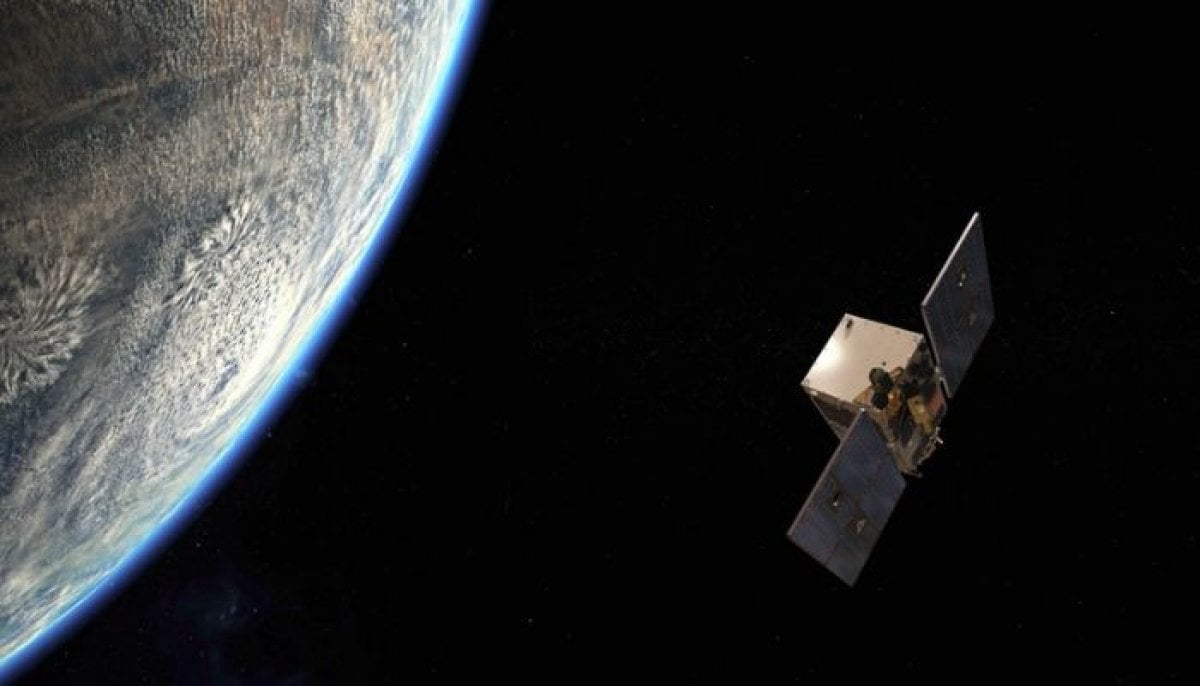 Europe launched 8 orbital rockets last year, can it rival Starlink?
 -
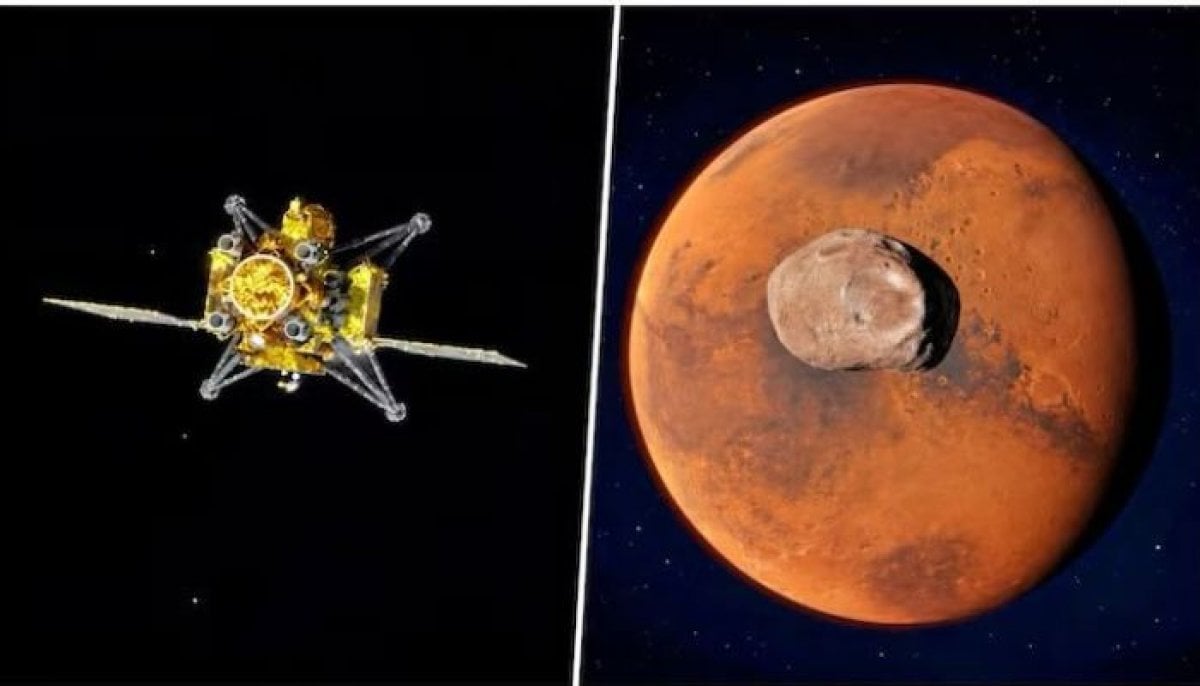 Japan launches world’s first mission to bring sample back from phobos
 -
 Orionid meteor shower 2026: Peak date, viewing tips and what to expect
 -
 Why Mars looks blue in NASA’s unedited curiosity panorama?
 -
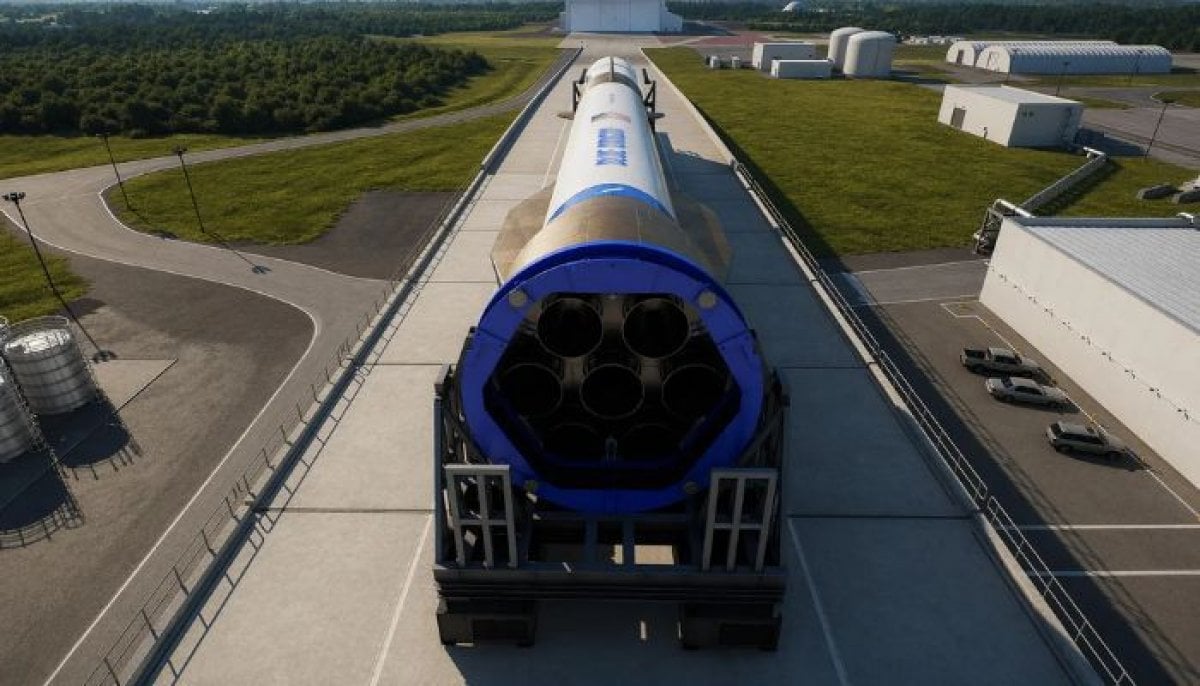 Blue Origin upgrades new Glenn rocket launch infrastructure to take on SpaceX
 -
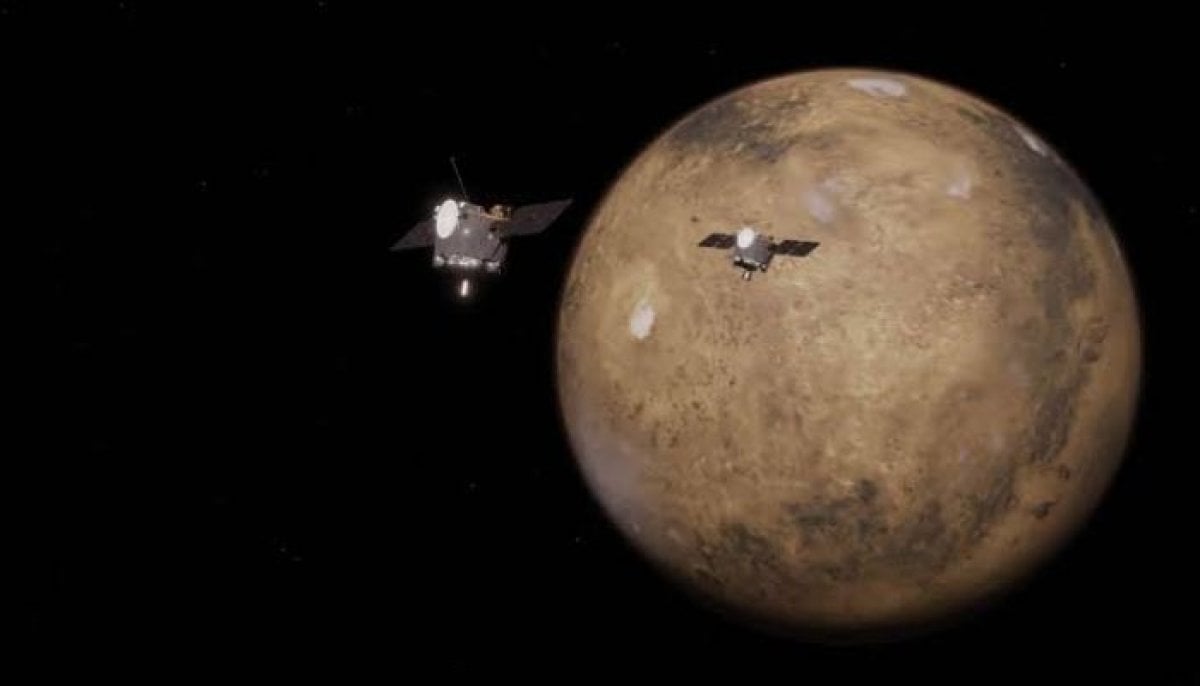 NASA’s next Mars mission targets Phobos and Deimos, not Red Planet