5 times video games actually went to space
From Game Boy on Mir in 1993 to Microsoft HoloLens on the ISS, astronauts have been sneaking video games into orbit

In 1993, Russian cosmonaut Aleksander Serebrov spent 196 days aboard the Mir space station and used part of that time to play Tetris on a Game Boy, becoming the first person in history to play a video game in space.
His console later sold at auction in New York for $1,220, alongside a handwritten note describing it as a rare leisure pleasure during a gruelling mission. It was the beginning of a surprisingly consistent tradition.
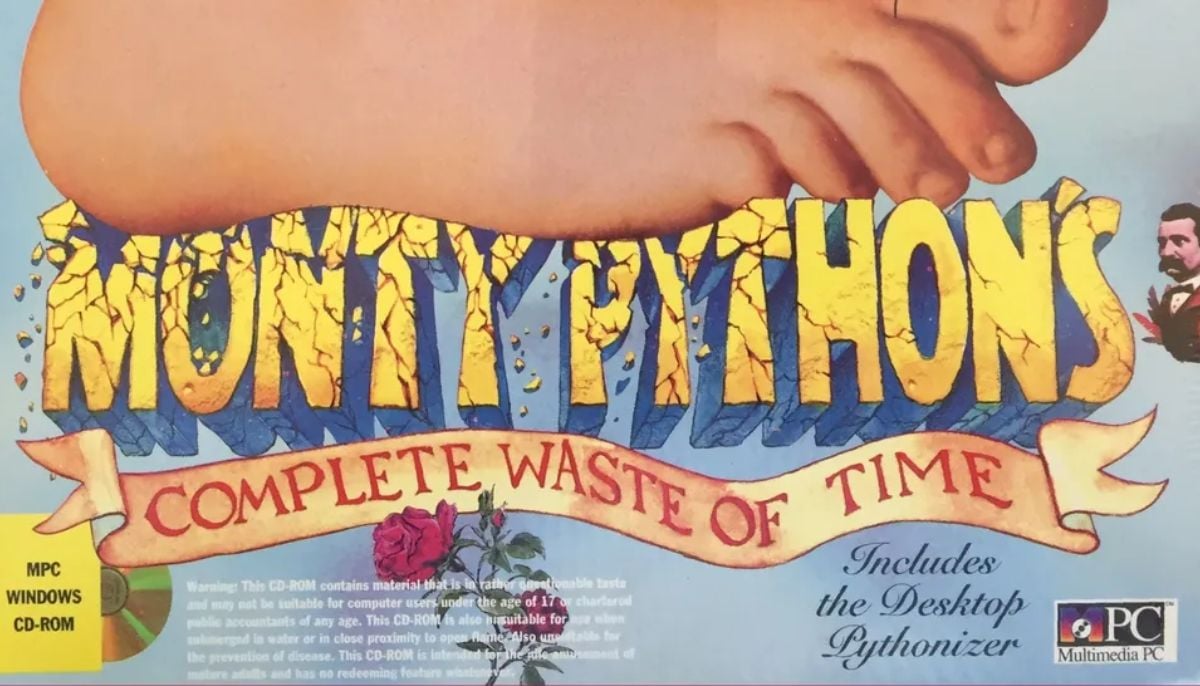
Five years after Serebrov’s Game Boy session, American astronaut Andy Thomas kind of joined the last crew of STS-89 and packed a copy of Monty Python’s Complete Waste of Time, plus an FMV mini-game collection that's pretty widely considered one of the worst PC games ever made, for this six-month sort of stay aboard Mir.
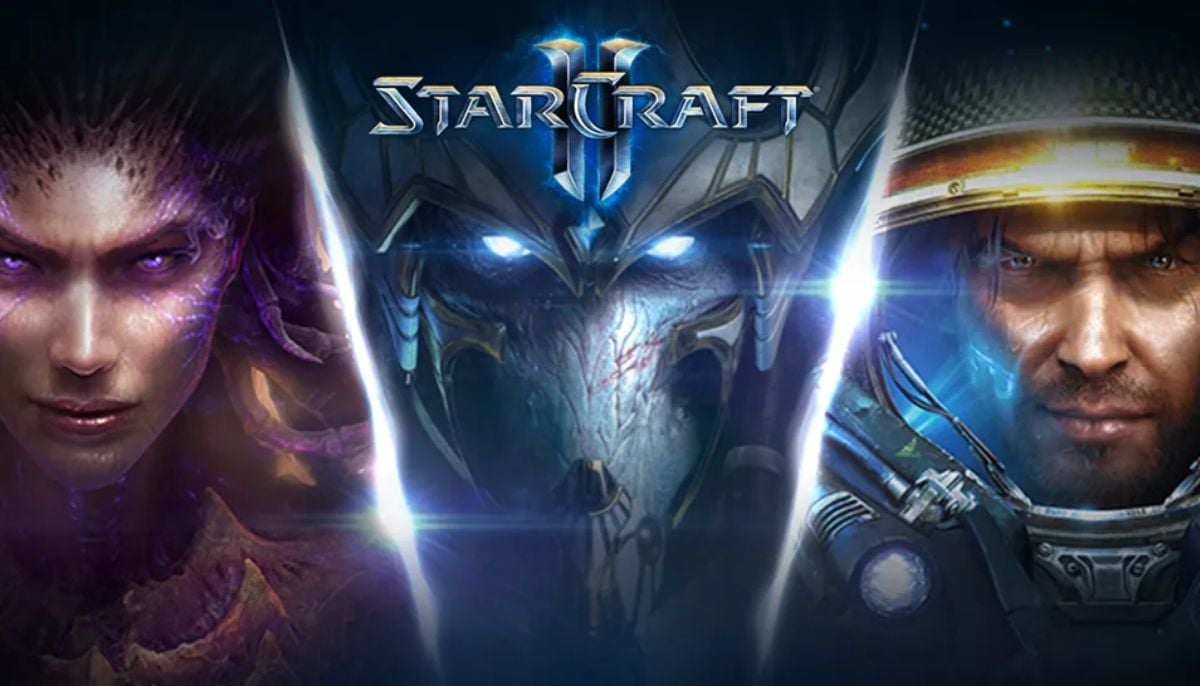
Then in 1999, mission specialist Daniel Barry went one step further, bringing a copy of StarCraft to the brand-new International Space Station. Barry was a regular player back on Earth , and he used the game to stay in touch with his partner and daughter, even if his 30-day mission, honestly, didn’t give him enough time to actually fire it up. His copy now rests at Blizzard’s headquarters.
In 2009, astronaut John L. Phillips sort of confirmed during a live Q&A, that was attended by schoolchildren and President Barack Obama, that he’d carried a personal PC along with undisclosed games to the ISS during his six month mission in 2005.
He was also careful to mention that free time was thin, but still, that admission basically backed up what many people had long suspected. Gaming had quietly turned into a kind of everyday companion for long-duration spaceflight, not exactly as an official programme but more like a practical morale lever.
The newest chapter came in 2016, when astronaut Scott Kelly shared video of himself and colleague Tim Peake trying out Microsoft’s HoloLens AR headset as part of NASA’s Project Sidekick, a programme meant to help crews get real-time technical help from ground teams.
While they were testing, the pair got “attacked” by virtual aliens and had to fire finger lasers to stay safe, which is almost certainly tied to RoboRaid, a HoloLens launch title built around that exact idea.


-
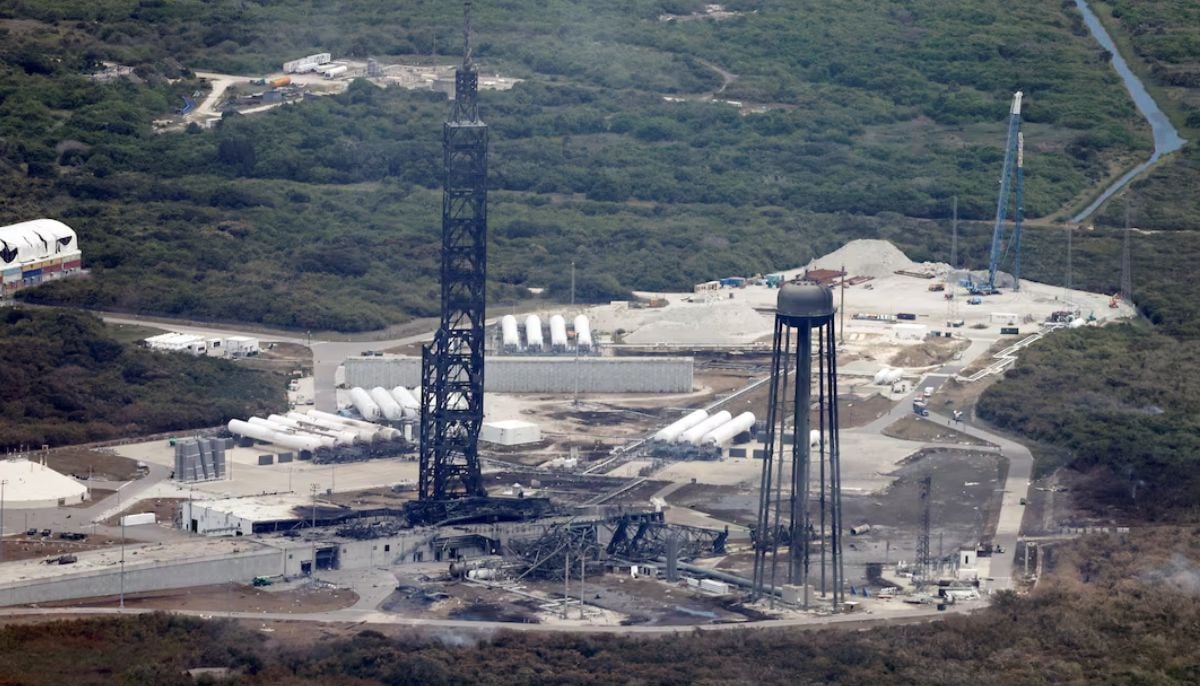 Blue Origin hit with months-long delays after rocket explosion damages launch pad
 -
 Blue Moon 2026: Everything to know about the rare celestial event
 -
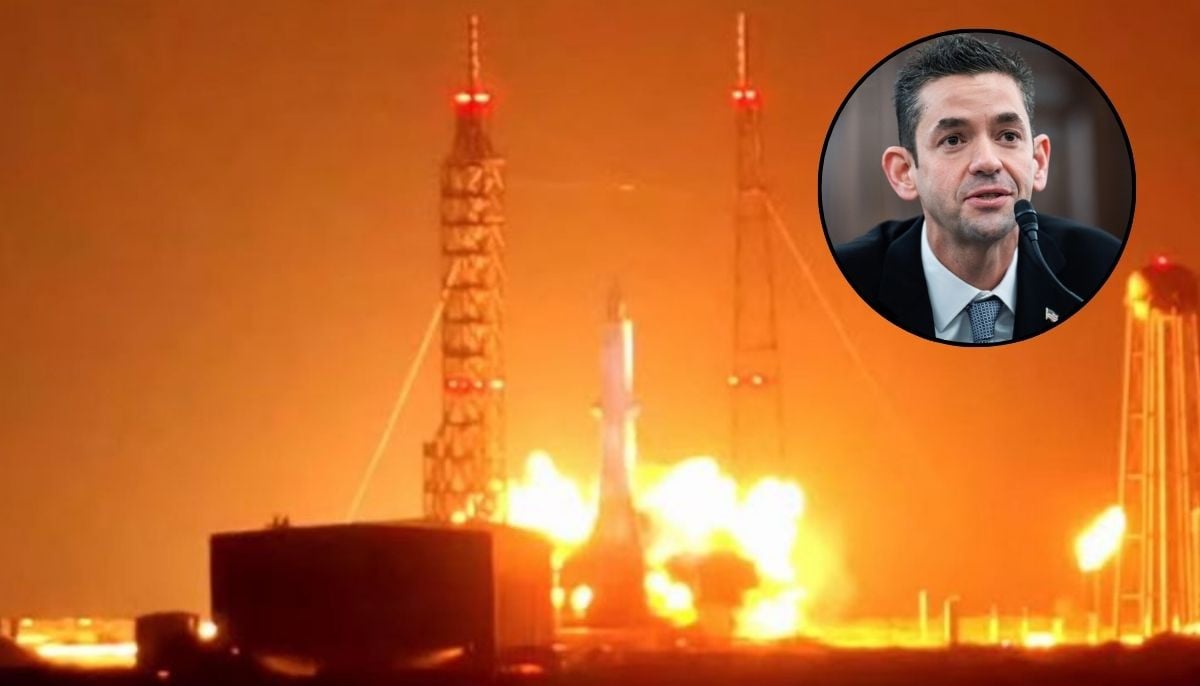 Blue Origin’s New Glenn rocket explodes: NASA responds to impact on lunar base mission
 -
 Scientists map hidden Antarctic Marginal Ice Zone in Southern Ocean for first time
 -
 Who are the Artemis 3 astronauts? NASA announcement coming June 9
 -
 Blue Moon 2026: How it highlights the mechanics of our Solar System
 -
 China sends artificial embryos into space—Could humans reproduce in zero gravity?
 -
 SpaceX IPO buzz intensifies as strategists debate $2 trillion valuation