Rare ‘God of chaos’ asteroid will be visible to naked eye in historic flyby, says NASA
The asteroid will pass within 20,000 miles of Earth, which is 12 times closer than the moon

Astronomers have issued an interesting update for skygazers: a rare asteroid will soon be visible to the naked eye. Asteroid 99942 Apophis, named after the Egyptian deity of chaos, darkness, and fire is expected to safely pass close to Earth on April 13, 2029.
It is anticipated that asteroid Apophis will pass within 20,000 miles of Earth, which is 12 times closer than the moon and nearer than many geosynchronous satellites. The event will be visible to the naked eye for observers in the Eastern Hemisphere, provided weather conditions are clear. NASA characterizes this as one of the closest approaches ever recorded for an object of this size.
Despite early fears from its 2004 discovery, NASA is now confident Apophis poses no risk of hitting Earth for at least the next 100 years. Earth’s gravity may slightly alter the asteroid’s path or orbital period during the flyby, but it will not increase the risk of a future collision.
Space agencies are seizing the chance to study the relic; NASA had redirected a spacecraft for a rendezvous, and the ESA is sending its own mission to study it. Apophis is a 4.6-billion-year-old relic of the early solar system, made of leftover material that never formed into a planet.
It has a mean diameter of roughly 1,115 feet, with its longest axis reaching at least 1,480 feet. Named after the Egyptian god of chaos, it was discovered in 2004 by astronomers at the Kitt Peak National Observatory. Following the 2029 flyby, it will officially join the Apollo group of Earth-crossing asteroids.


-
 NASA to brief public on Artemis III mission progress
 -
 ‘Time capsule beneath the sea’: World’s oldest shipwreck holds secrets from Great Pyramid era
 -
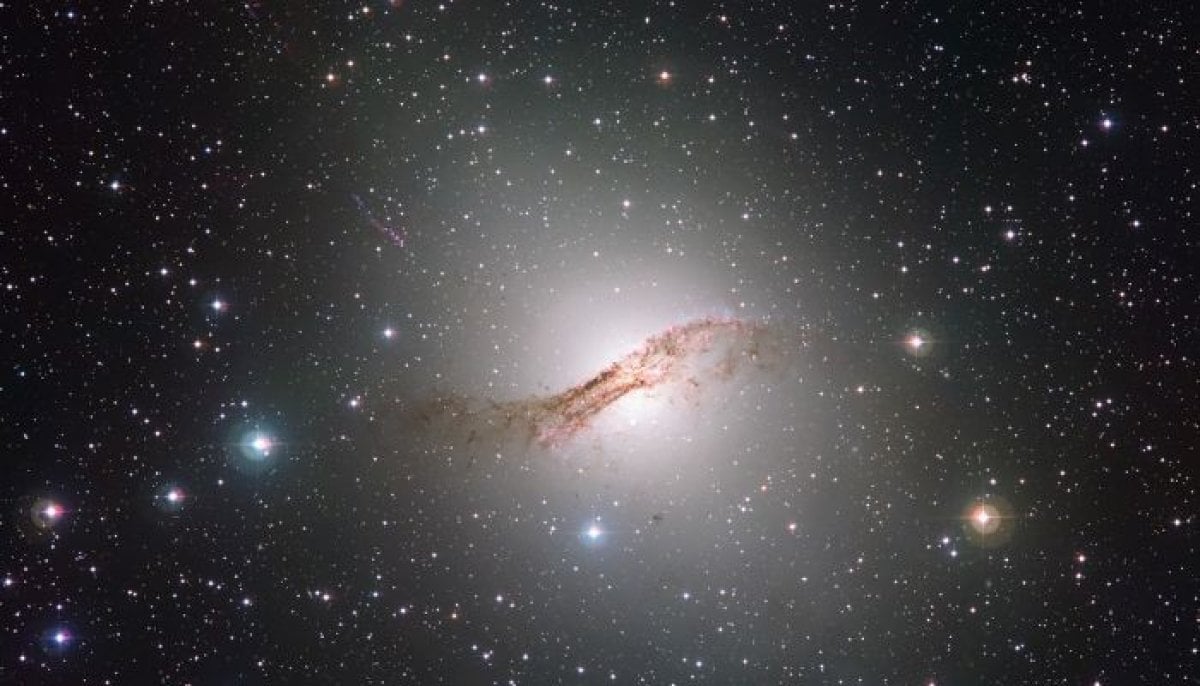 NASA spots mysterious V-shaped scar stretching 700 light-years across space
 -
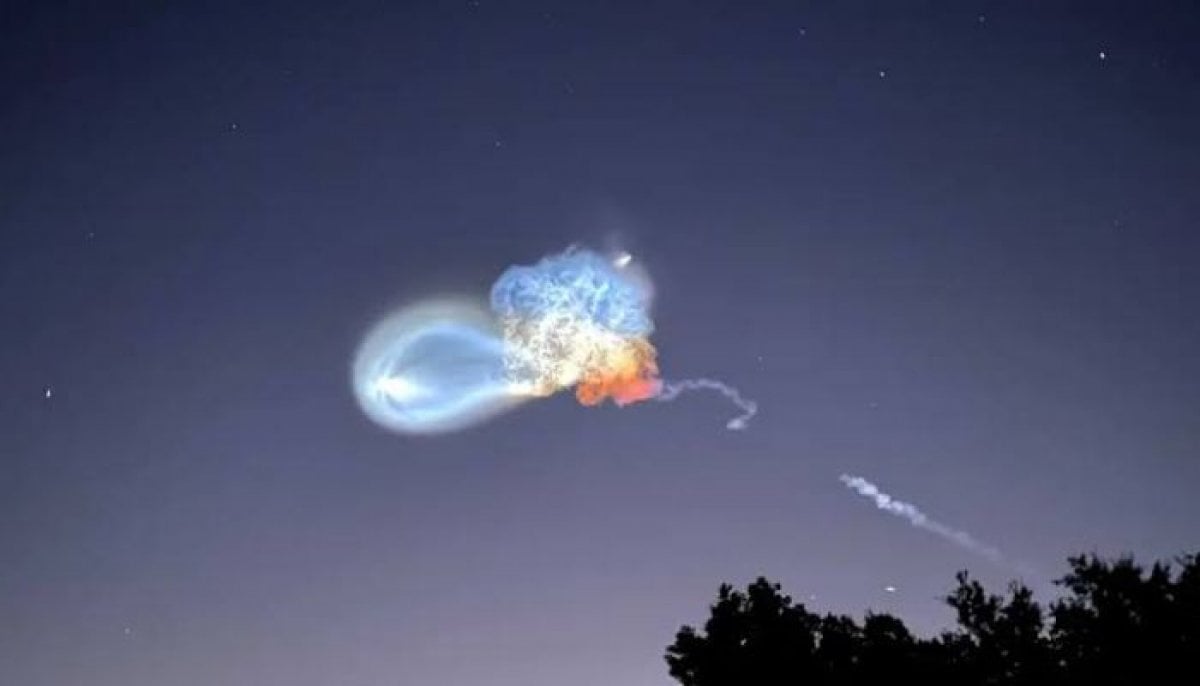 Space Jellyfish over Florida: What is that glowing cloud?
 -
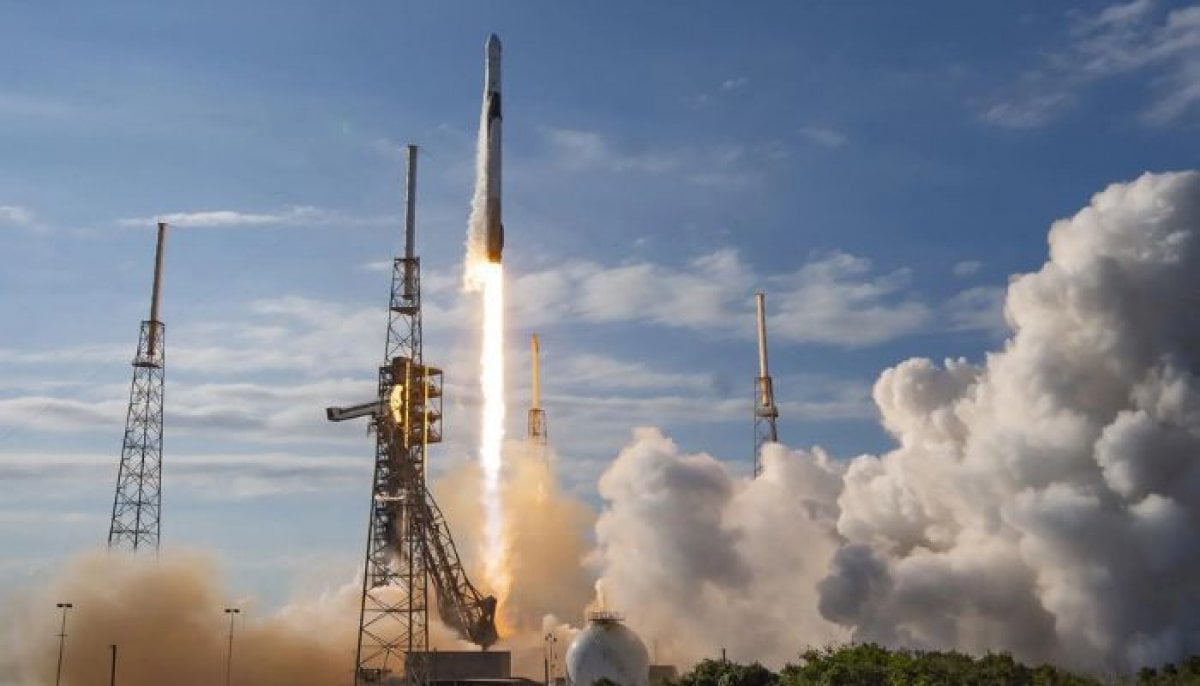 SpaceX Falcon 9 launches Dragon with 6,300 pounds of supplies to ISS
 -
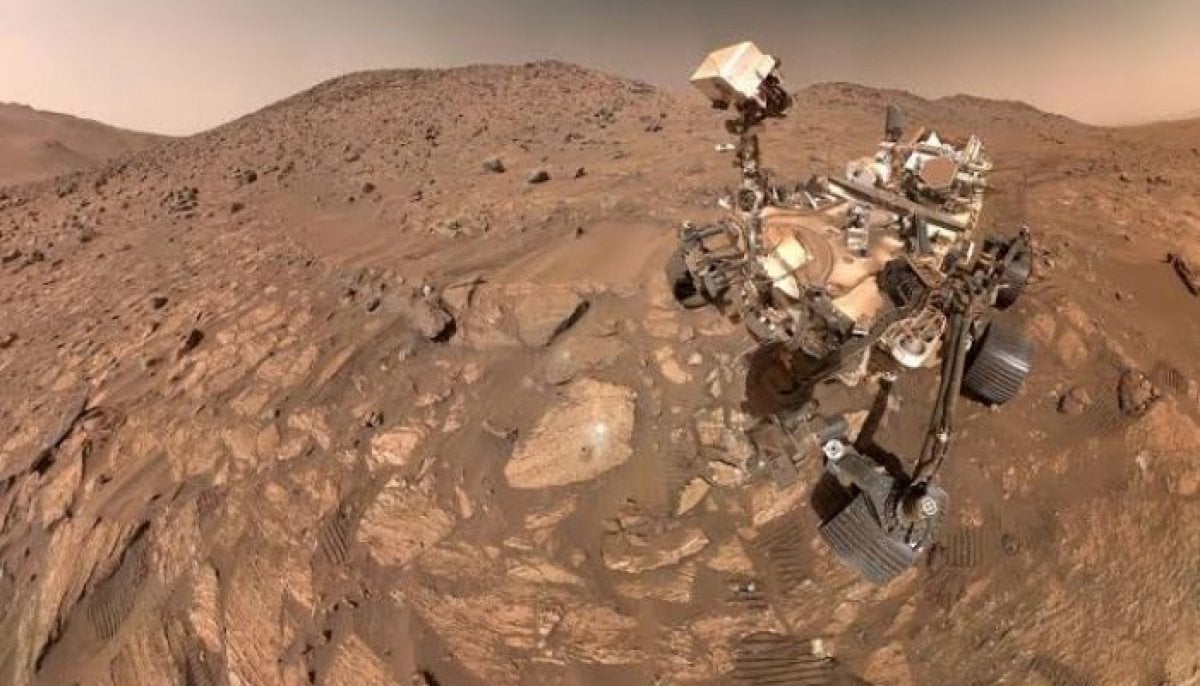 How far can a rover go? NASA’s Perseverance breaks Mars driving record
 -
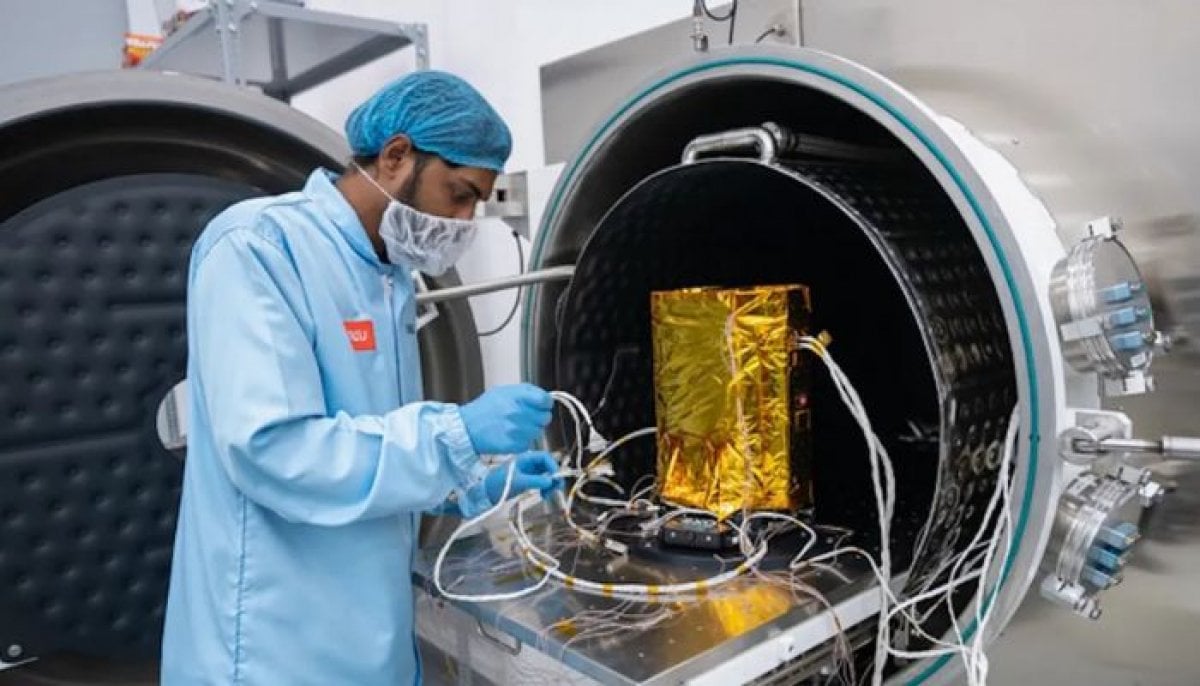 UAE builds asteroid lander designed to crash into its target
 -
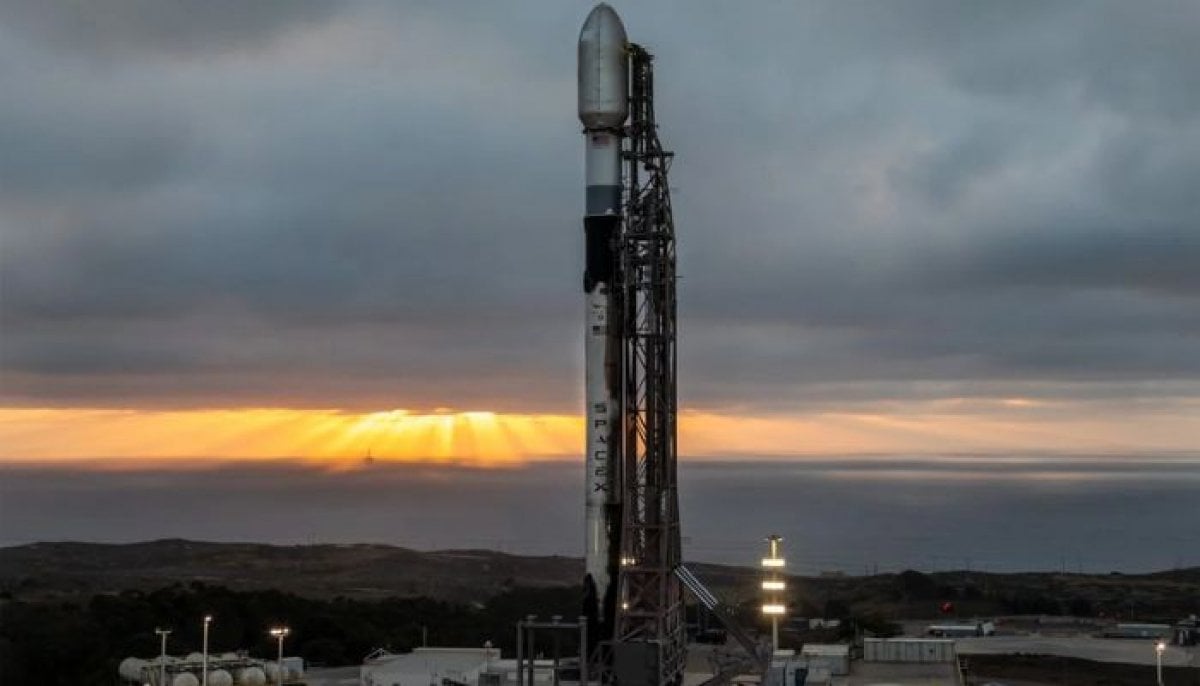 SpaceX Falcon 9 launches 21 military satellites into orbit