Is Apple’s foldable phone delayed? Here’s everything to know
The assumption is that while the foldable iPhone’s display may be more fragile, it will also be more expensive for Apple to manufacture due to its complexity
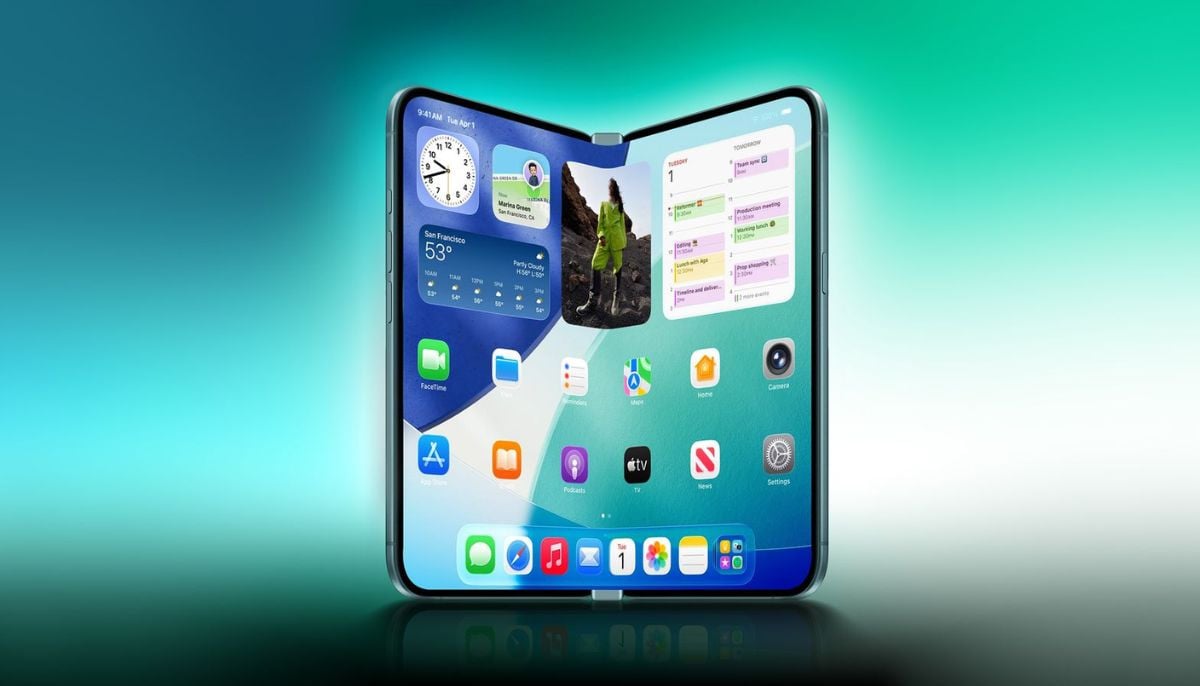
Apple has reportedly postponed the launch of its first foldable iPhone to prioritize durability and quality standards over being first to market, trailing competitors like Samsung and Huawei. Apple waited years before entering the foldable smartphone market because it sought to create a device with no display crease at all. While this hasn't been fully achieved for the first generation, the flagship will utilize one of the most advanced hinges the industry has ever seen. This design follows the display to be more flexible and better at concealing faults; however, it also suggests the screen may be more fragile and prone to damage, contributing to the high reported price of the foldable iPhone.
Apple’s latest solution aims to make the display more flexible and better at handling bends by replacing expensive precision machining with a new approach. The company is reportedly using a specialized filler to smooth out irregularities in its 3D-printed titanium hinges. This technique helps lower manufacturing costs while reducing the physical stress on the display by filling microscopic gaps that could otherwise cause friction or pressure points.
Will the Foldable iPhone sell?
One might urge against buying a foldable iPhone, even as Apple’s new phone breaks sales records globally. However, the more expensive Galaxy Z TriFold could sell out within minutes of its launch, the highly anticipated iPhone Fold is likely to see similar, if not greater, demand from eager consumers.


-
 Biden calls out Trump’s ‘vanity projects’ at Maryland Democratic Gala—Here’s why
 -
 Pima County Sheriff responds to new claims in Nancy Guthrie case
 -
 Mayor Mamdani jumps into NYC pool to revive old tradition
 -
 Trump’s Gaza Board of Peace seeks to grant itself total immunity and free use of property: Here’s why
-
 Apple speeds up software updates amid AI-driven cybersecurity threats
 -
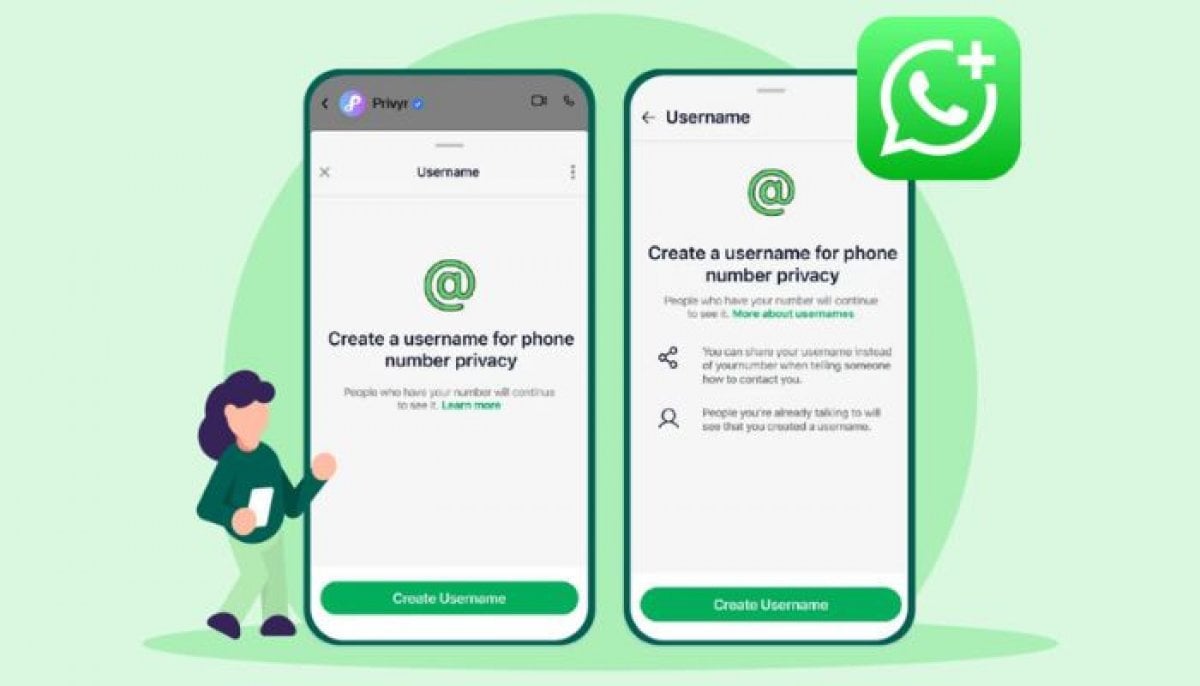 WhatsApp will now let you chat without sharing your phone number
 -
 Trillionaire Elon Musk celebrates birthday with rocket-themed cake
 -
 Breaking: Is Minecraft down? Several users report outages
 -
 Europe's heatwave puts AI data centres under pressure
 -
 US plans to build world's first fault-tolerant quantum computer: Check details
 -
 Base iPhone 18 likely to feature 9GB RAM, leak suggests
 -
 South Korea plans massive $576bn AI-chip bet to challenge global rivals