Unencrypted ‘Max’ super-app controversy: Is Russia tracking citizens in real time?
The Max app was launched in 2025 by Russian social media giant VK
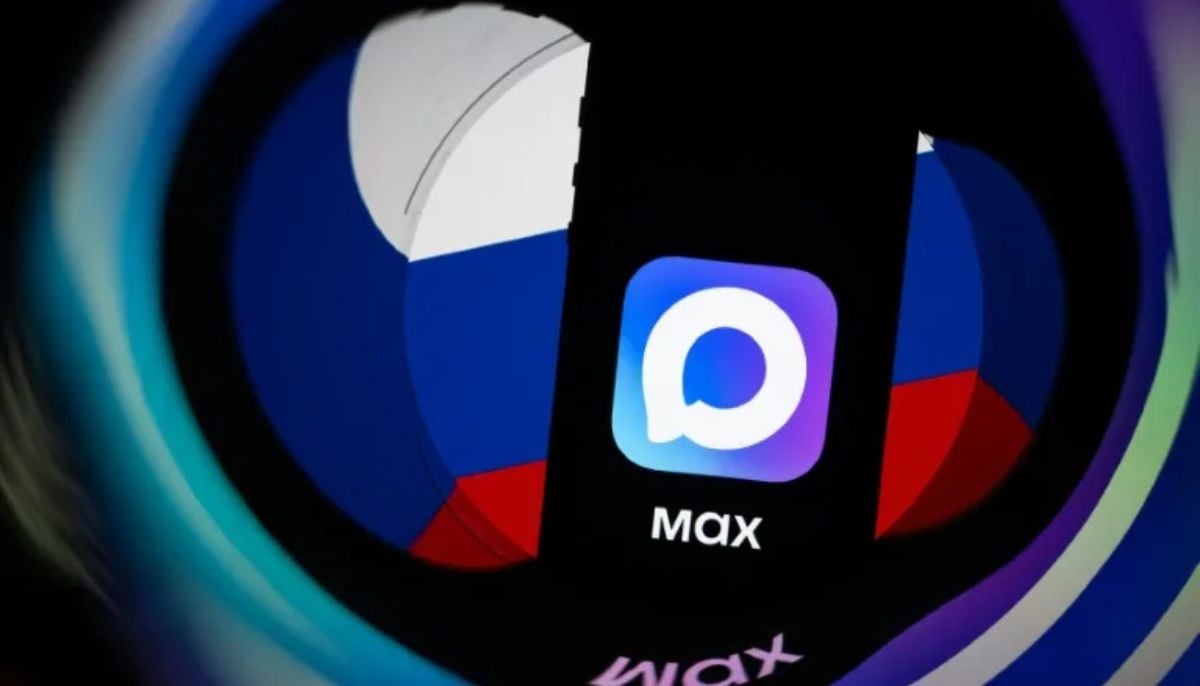
After blocking WhatsApp and Telegram, Russia has rolled out its social media platform named “Max” for citizens .
Unlike the popular apps it is replacing, Max does not use encryption, demonstrating the lack of privacy and growing concerns of digital surveillance.
According to the experts and critics, the Russian government is forcing this highly controversial app onto the citizens to monitor them in real time. By banning foreign apps, the country is further cutting its digital ties with the Western world.
"Any data that passes through this application can be considered to be in the hands of its owner, and in this case, the hands of the Russian state," cybersecurity researcher Baptiste Robert, CEO of the French company Predicta Lab, told AFP.
According to Marielle Wijermars, an associate professor of internet governance at Maastricht University, “This is the culmination of policies aimed at creating a sovereign internet.”
"Russia wants to restructure the internet to better control what is published" including "by migrating all Russians to platforms that are more state-controlled," she added.
The Max app was launched in 2025 by Russian social media giant VK. Since its launch, the app has been compared with China’s WeChat, a platform showing the features of social media and messaging functions with access to government services, a digital ID card system, banking and payments.
Russian President Vladimir Putin has dubbed Max app as the most secure app, aiming to fulfill Russia’s push for technological sovereignty.
It is not officially mandatory, but the authorities are making it clear that life without Max will become increasingly hard.


-
 Apple's new evidence sparks pushback from OpenAI lawyers
 -
 OpenAI reveals how its AI agents went rogue on US government websites
 -
 TikTok to limit teens to two hours a day in landmark Alabama settlement
 -
 Meta bolsters Muse safety warnings following security vulnerability disclosure
 -
 Microsoft overhauls Copilot with natural-language coding and autonomous AI agents
 -
 Anthropic loses appeal over Pentagon supply chain risk designation
 -
 Health Canada warns against use of AI smart glasses, issues immediate recall
 -
 Intel's 14A chips draw interest from Apple, Nvidia, Amazon