AI clone of Mark Zuckerberg? Meta bets big on ‘personal superintelligence’
CEO is developing his own AI character to interact with staff
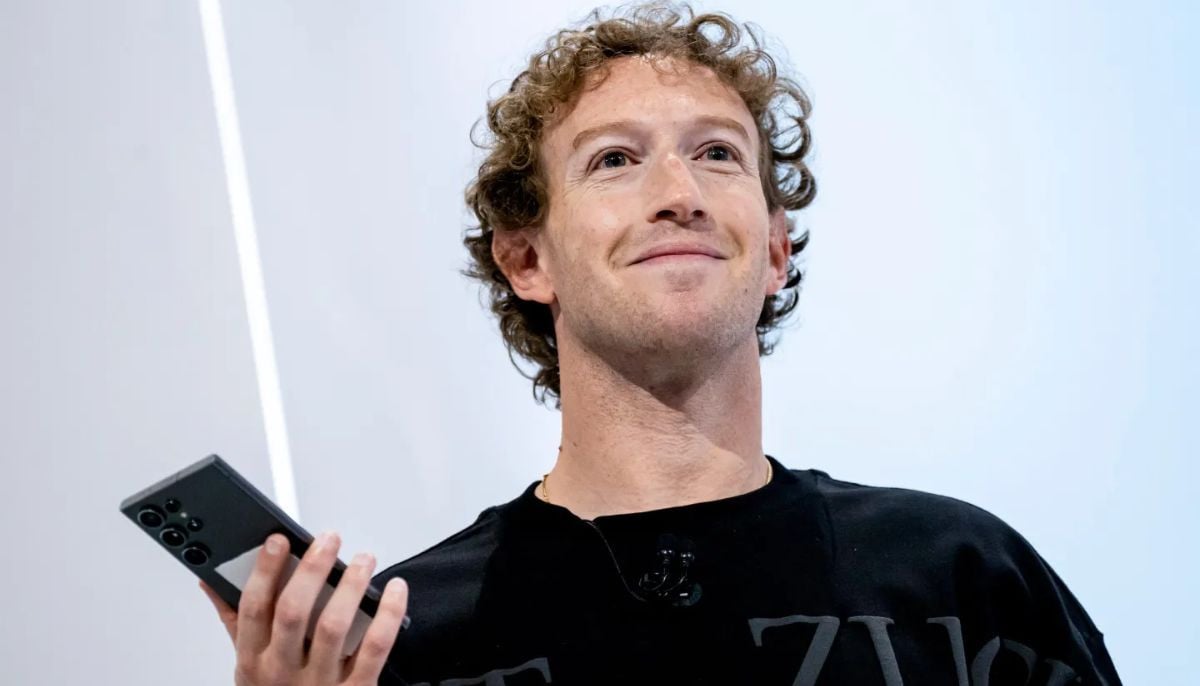
Meta is on the path of building a photorealistic, AI-powered digital twin of Mark Zuckerberg to interact with employees, signalling a major shift in the company’s internal operations.
According to source privy to the matter, the project is based on $1.6 trillion worth investment, aiming to develop a 3D version of its CEO that can provide feedback and engage in real-time conversations.
As reported by the Financial Times, the Meta chief is personally supervising the development, testing, and training of his AI clone.
As per sources, the digital counterpart is being trained on Mark Zuckerberg’s mannerism, like how he speaks and acts, and his publicly available statements.
Moreover, Zuckerberg’s recent thinking on company strategies will be integrated in this clone, making staff more comfortable and connected to the AI counterpart.
This Zuckerberg character is being built by training a model on the CEO’s vocal patterns and physical likeness.
This new project is in its early stages. It is different from another project Mark Zuckerberg is working on: a "CEO agent" designed to help him with his job by doing things like finding information quickly. The Wall Street Journal was the first to report on that "CEO agent" idea.
The CEO agent is also meant to accelerate the pace of work, help decision-making, and make coordination easy and seamless by eliminating layers from organizational structure.
The development of AI characters is a part of Meta’s multibillion-dollar drive to develop “personal intelligence”, aiming to compete with tech rivals including Google, Microsoft, and OpenAI.
Earlier this week, Meta unveiled Muse Spark, a cutting-edge AI model equipped with advanced capabilities which is designed to use in areas such as visual understanding and health reasoning.
If this project proves successful, the technology could eventually be introduced to content creators and influencers, allowing them to boost their digital presence through personalized AI clones.


-
 Samsung to use TSMC's 3nm process for Nvidia's next-gen AI memory chips
 -
 Microsoft scraps UK data center project with Nscale ahead of IPO
 -
 TSMC, Apple eye 1.4nm chips as costs surge ahead of 2028
 -
 New plan would let Americans share in AI gains through stock accounts: Here's how
 -
 Missed iPhone Duo pre-orders? Apple Store walk-ins may be out of luck
 -
 TikTok bans 3-hour Musk documentary account over 'violations'
 -
 AI could boost US GDP to $44 trillion by 2030, Anthropic model forecasts
 -
 What Anthropic's draft AI bill would let Washington block?