Peter Frampton details 'life-changing- battle with inclusion body myositis
Peter Frampton, British rock icon, was diagnosed with inclusion body myositis in 2019

Peter Frampton, British rock star and icon shared in 2019 that he has inclusion body myositis (IBM), a muscular inflammatory disease that can impact the strength of the legs, arms, and fingers.
He has been candid about how the condition has affected his ability to play the guitar (his signature instrument), while maintaining an optimistic outlook.
“Look, it's not life-threatening,” he said in a 2019 interview. “It's life-changing.”
In February 2019, the Johns Hopkins Myositis Center established the Peter Frampton Myositis Research Fund to support research on IBM.
Inclusion Body Myositis (IBM) is a rare, progressive inflammatory muscle disorder that primarily affects adults over the age of 40. It is classified as one of the idiopathic inflammatory myopathies, alongside conditions such as polymyositis and dermatomyositis, but differs in its slow progression and resistance to most treatments.
What happens in IBM?
IBM involves both inflammatory and degenerative processes. Immune cells attack muscle tissue, while abnormal protein deposits, known as “inclusion bodies,” accumulate within muscle fibers. Over time, this leads to muscle weakness and wasting.
Symptoms
IBM typically develops gradually over years. Common symptoms include:
- Progressive muscle weakness, especially in the thighs and forearms
- Difficulty climbing stairs, standing from a seated position, or lifting objects
- Frequent falls due to weakened leg muscles
- Weak grip and loss of fine motor skills
- Difficulty swallowing (dysphagia), which can increase the risk of choking
- Muscle wasting (atrophy), often asymmetrical
Unlike other inflammatory myopathies, IBM often affects distal muscles (those farther from the body’s center), particularly the finger flexors and quadriceps.
Diagnosis
Diagnosis can be challenging due to its slow progression. It typically involves:
- Blood tests (creatine kinase levels may be mildly elevated)
- Electromyography (EMG) to assess muscle activity
- Muscle biopsy, which confirms inflammation and inclusion bodies
- MRI scans to evaluate muscle damage
Management and Treatment
There is currently no cure for IBM, and it often does not respond well to standard immunosuppressive therapies such as corticosteroids. Management focuses on maintaining function and quality of life:
- Physical therapy: Helps preserve mobility, strength, and balance
- Occupational therapy: Assists with daily activities and adaptive strategies
- Speech and swallowing therapy: Important for managing dysphagia
- Assistive devices: Canes, braces, or wheelchairs may be needed as the disease progresses
- Nutritional support: Helps prevent complications from swallowing difficulties
Conclusion
Peter Frampton’s diagnosis helped raised awareness regarding Inclusion Body Myositis, a complex condition with both inflammatory and degenerative features. Early recognition and supportive care are essential to maintaining independence and improving quality of life.



-
 CDC monitors travelers from Siberia after plague worker’s death, director says
 -
 Russia pushes back on plague death reports, defends WHO notification
 -
 WHO deems Russia plague risk 'low' following lab technician’s fatal illness
 -
 New York declares Measles state of emergency amid nationwide disease resurgence
 -
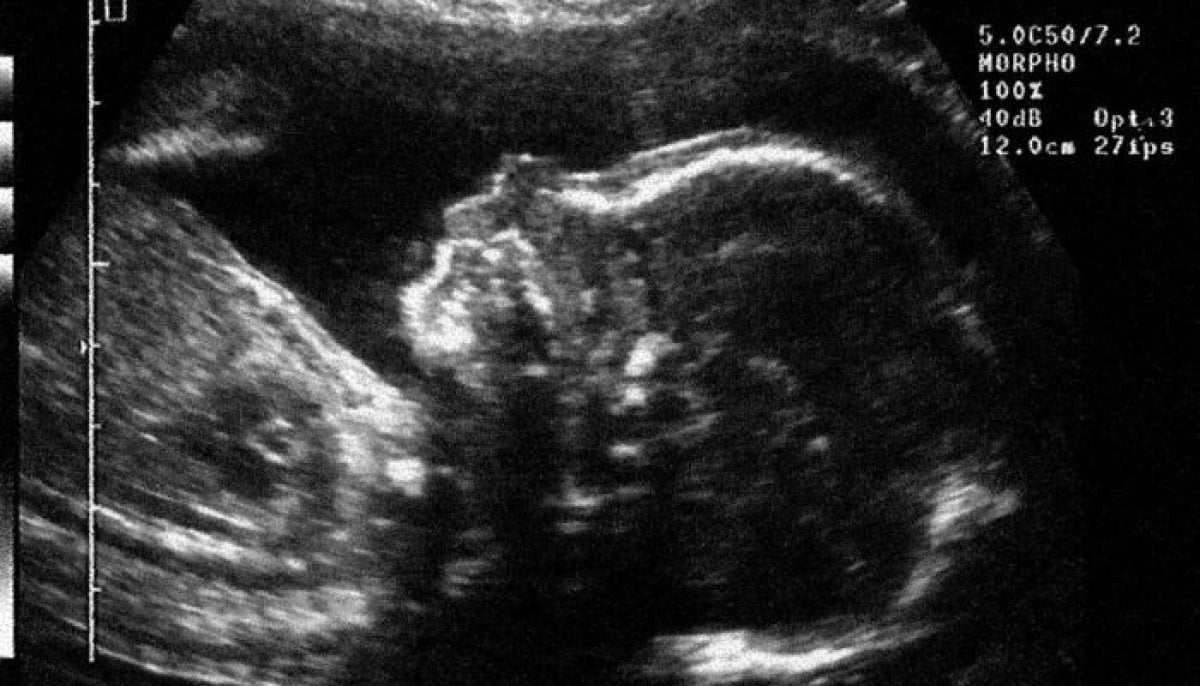 First-of-its-kind treatment shrinks unborn baby’s tumour before birth
 -
 France steps up Ebola support in Congo as fears of resurgence grow
 -
 Vance’s fraud crackdown may raise health insurance costs for Americans
 -
 One common mistake elevates blood pressure readings by 7 points, study warns
-
 Moderna loses US government license defense in patent case
 -
Novo says new Ozempic shows lower cardiovascular risk compared with Lilly’s Mounjaro
-
University of Nottingham researchers say new gel could regrow tooth enamel in weeks
-
New Chinese drug extends stroke treatment window from hours to 2 days: study finds