King Charles’ health battle: What has been revealed about his cancer so far
King Charles' was diagnosed with a form of cancer in February 2024
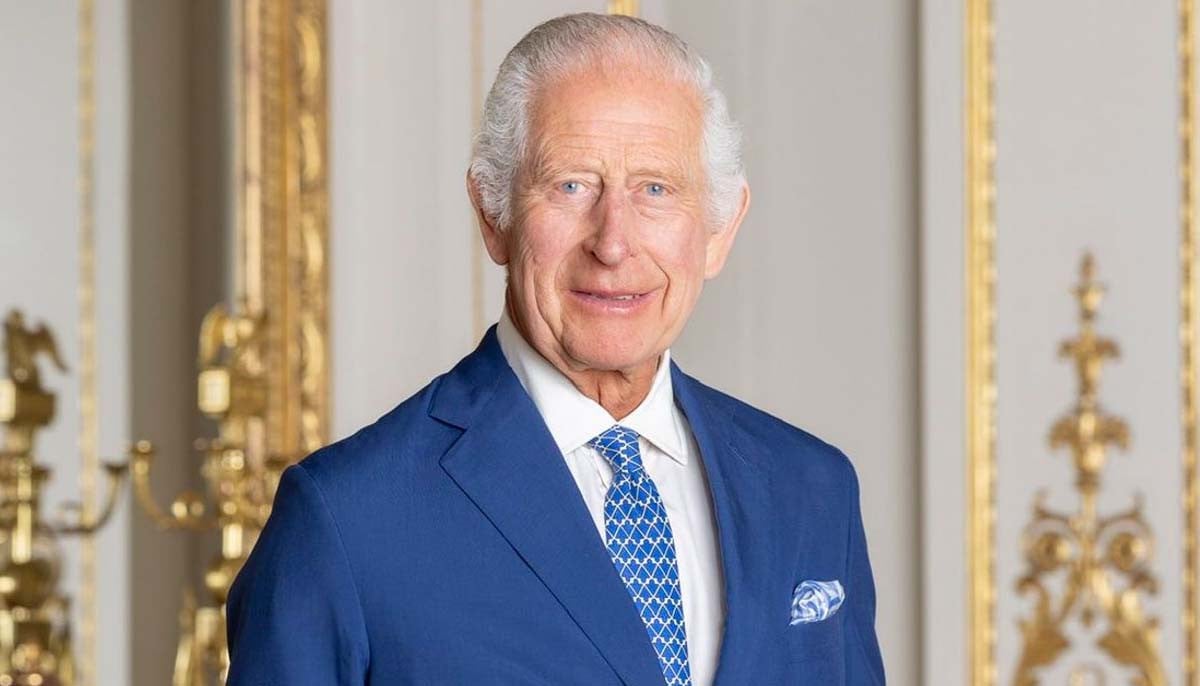
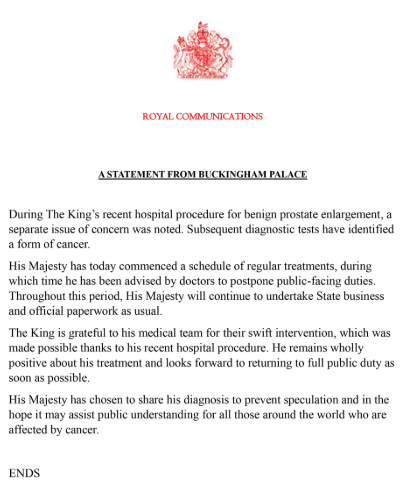
In February 2024, Buckingham Palace announced that King Charles III had been diagnosed with cancer following a hospital procedure for an enlarged prostate.
During the treatment, doctors discovered “a separate issue of concern,” and subsequent tests confirmed cancer.
Importantly, the palace clarified that the cancer was not prostate cancer, and the specific type has remained private.
Following the diagnosis, the King began regular treatment and temporarily stepped back from public-facing duties, while continuing his constitutional responsibilities.
Although undergoing treatment, King Charles remained engaged in state affairs. He expressed deep gratitude for public support, saying the messages he received had “reduced [him] to tears,” highlighting the emotional impact of his diagnosis.
Throughout 2024 and 2025, the King continued receiving treatment and while the exact therapy has not been disclosed, palace sources confirmed it has been ongoing and carefully managed.
Updates indicated that his condition was being monitored closely, with periods of reduced public activity due to treatment side effects.
Despite this, he gradually resumed duties, demonstrating a balance between recovery and responsibility.
By late 2025 into early 2026, King Charles shared encouraging news: his treatment schedule could be reduced due to early diagnosis and effective intervention.
He emphasized the importance of screening, stating that early detection can be life-saving and offer “hope” to patients.
However, reports indicate that treatment is ongoing, and the cancer has not been declared fully in remission.
What Is Cancer?
Cancer is a group of diseases characterized by uncontrolled growth and spread of abnormal cells in the body. It can affect almost any part of the body and may spread (metastasize) if untreated. Early detection significantly improves outcomes.
Symptoms of Cancer:
Symptoms vary depending on the type but may include:
- Unexplained weight loss
- Persistent fatigue
- Lumps or swelling
- Changes in bowel or bladder habits
- Unexplained pain
Treatment Options:
Cancer treatment depends on type and stage, and may include:
- Surgery
- Chemotherapy
- Radiation therapy
- Targeted therapy or immunotherapy
Early diagnosis, like in King Charles’ case, often improves prognosis and treatment success.



-
 OpenAI agents uncover brain disease leads: Here’s how
 -
 AI tool can now predict cancer survival by a single patient selfie: Find out how
 -
 Scientists identify a new type of depression affecting 1 in 4 patients
 -
 Everything to know about US FDA’s new guidance on apps used with prescription drugs
 -
 ‘Immortal’ jellyfish could hold clues to slowing human ageing
 -
 Ebola crisis worsens in DR Congo as virus reaches eighth province with over 4,500 dead
 -
 Study finds eating blueberries every day can surprisingly boost your mood
 -
 Eli Lilly’s Foundayo weight-loss pill gets European approval recommendation
-
 What is BPC-157? Trump administration considers easing rules on popular peptide injections
 -
West Nile virus: Europe reports 141 deaths as human cases rise in 2026
-
Health Canada reviewing new mRNA flu vaccine that could prevent more hospitalisations
-
Scientists discover hidden drainage route at the back of the eye