Everything we know about Bruce Willis frontotemporal dementia
It was announced in February 2023 that Bruce Willis was suffering from dementia
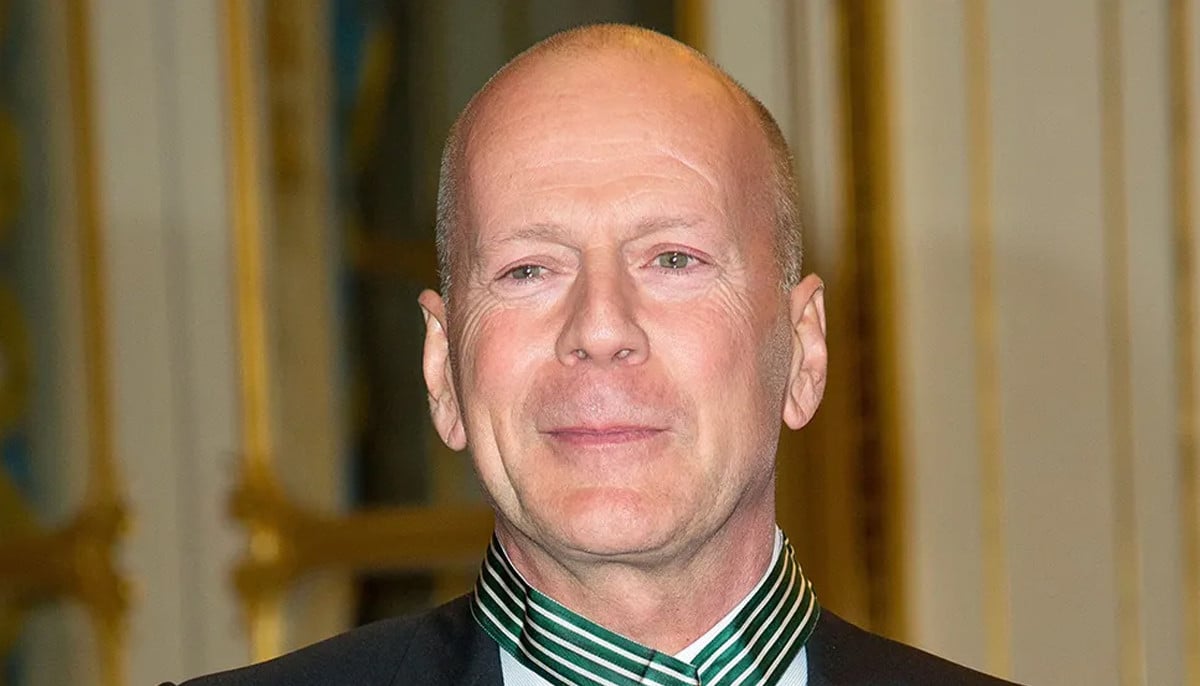
Bruce Willis, one of Hollywood’s most iconic actors, stepped away from acting after a serious health diagnosis that affected his cognitive abilities.
His journey has brought global attention to dementia, especially a rare form known as frontotemporal dementia (FTD), highlighting the emotional and medical challenges faced by patients and their families.
Timeline of Bruce Willis’ Diagnosis
In March 2022, Willis’ family announced that he had been diagnosed with aphasia, a condition affecting communication and language. This diagnosis led to his retirement from acting.
By February 2023, his condition progressed, and doctors confirmed that he had frontotemporal dementia (FTD)—a degenerative brain disorder affecting behavior, personality as well as language.
His family shared that communication difficulties were one of the major symptoms, stating that while the diagnosis was painful, it was also a relief to have clarity.
In later updates, his wife, Emma Heming Willis, revealed that his language abilities continued to decline, reflecting the progressive nature of the disease.
What Is Dementia?
Dementia is a broad term for conditions that cause a decline in cognitive function, including memory, communication and thinking. It is caused by damage to brain cells and interferes with daily functioning.
Frontotemporal dementia, the type affecting Willis, specifically targets the frontal and temporal lobes of the brain, impacting personality, behavior, and speech rather than memory in early stages.
Symptoms of Dementia
Symptoms vary depending on the type, but common signs include:
- Memory loss (especially in Alzheimer’s disease)
- Difficulty speaking or understanding language
- Personality and behavioral changes
- Poor judgment and decision-making
- Reduced emotional expression
- Difficulty performing everyday tasks
In FTD, language problems and behavioral changes often appear first rather than memory loss.
Treatment and Management
There is currently no cure for dementia, including FTD however its line of treatment focuses on managing symptoms and improving quality of life.
- Management strategies include:
- Speech and language therapy
- Medications to manage mood or behavior
- Cognitive therapy and structured routines
- Support for caregivers and families
Bruce Willis’ health journey has shed light on the reality of dementia as a serious neurological condition, not just a normal part of aging. His family’s openness has helped raise awareness about frontotemporal dementia, emphasizing the importance of early diagnosis, support systems, and continued research to improve patient outcomes.



-
 CDC monitors travelers from Siberia after plague worker’s death, director says
 -
 Russia pushes back on plague death reports, defends WHO notification
 -
 WHO deems Russia plague risk 'low' following lab technician’s fatal illness
 -
 New York declares Measles state of emergency amid nationwide disease resurgence
 -
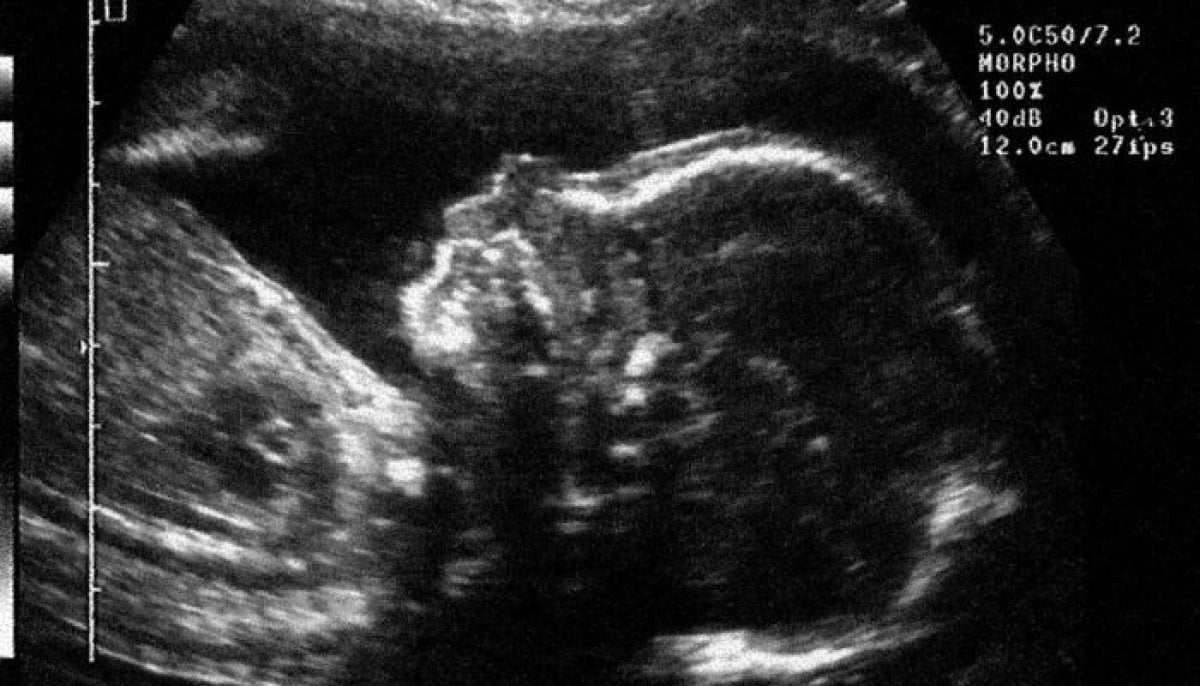 First-of-its-kind treatment shrinks unborn baby’s tumour before birth
 -
 France steps up Ebola support in Congo as fears of resurgence grow
 -
 Vance’s fraud crackdown may raise health insurance costs for Americans
 -
 One common mistake elevates blood pressure readings by 7 points, study warns
-
 Moderna loses US government license defense in patent case
 -
Novo says new Ozempic shows lower cardiovascular risk compared with Lilly’s Mounjaro
-
University of Nottingham researchers say new gel could regrow tooth enamel in weeks
-
New Chinese drug extends stroke treatment window from hours to 2 days: study finds