Inside Meghan Markle's 'scary' postpartum preeclampsia journey
Meghan Markle is the mother of two children, Archie and Lilibet, whom she shares with Prince Harry
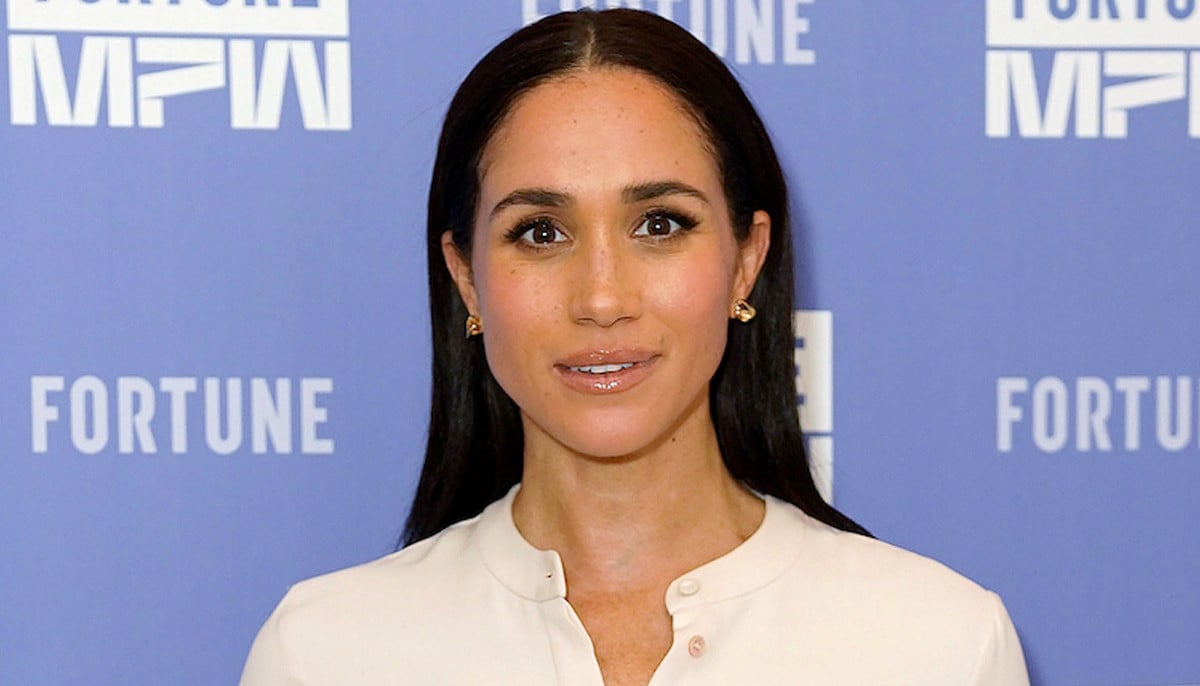
Meghan Markle, the Duchess of Sussex has spoken candidly about experiencing Postpartum preeclampsia, a rare but potentially life-threatening condition that can occur after childbirth.
By sharing her experience, she has helped raise awareness about a complication that is often overlooked but requires urgent medical attention.
Her Diagnosis and Experience
In 2024, Meghan revealed that she had experienced postpartum preeclampsia following childbirth. She described the condition as both frightening and isolating, particularly while navigating the responsibilities of new motherhood.
Speaking about the experience, she said, “It’s so rare and so scary.”
She also highlighted the emotional toll, explaining how mothers are often expected to focus entirely on their newborns while silently dealing with serious health complications.
Understanding Postpartum Preeclampsia
Postpartum preeclampsia is a condition characterized by high blood pressure and signs of organ damage, typically occurring within days to weeks after delivery. It is closely related to preeclampsia, which develops during pregnancy, but can arise even after a normal childbirth.
Symptoms may include severe headaches, vision changes, swelling (especially in the face and limbs), shortness of breath, nausea, and abdominal pain.
If untreated, the condition can lead to serious complications such as seizures (eclampsia), stroke, or organ failure.
Medical Risks and Importance of Early Care
Postpartum preeclampsia requires immediate medical attention. Treatment usually involves medications to lower blood pressure and prevent seizures, such as antihypertensives and magnesium sulfate. Early diagnosis significantly reduces the risk of complications.
Meghan’s experience underscores the importance of postpartum monitoring, as symptoms can be mistaken for normal post-delivery discomfort.
Advocacy for Maternal Health
Since sharing her story, the former royal has continued to advocate for maternal health awareness. She has highlighted the need for better support systems for new mothers, particularly in recognizing and treating postpartum complications.
Meghan Markle's openness has contributed to broader conversations about maternal mortality and the importance of listening to women’s health concerns.



-
 Novo says new Ozempic shows lower cardiovascular risk compared with Lilly’s Mounjaro
 -
 University of Nottingham researchers say new gel could regrow tooth enamel in weeks
 -
 New Chinese drug extends stroke treatment window from hours to 2 days: study finds
 -
 Trump’s FDA nominee Heidi Overton defends vaccines, contradicting his claims
 -
 New once-weekly insulin injection for type 2 diabetes wins FDA approval
 -
 Study identifies key cause of fatigue and brain fog
 -
 Apple’s screenless fitness tracker plans revealed: What to know
 -
 Rabies concerns grow in US, sparking health warnings over fatal virus