Janet Jackson on how vertigo left her unable 'to perform'
Janet Jackson, despite her struggle with vertigo, has been one of the most successful popstars

Janet Jackson has been a superstar in the music industry for decades; however, she also experiences vestibular migraine, characterized by vertigo.
In 2008, she required three weeks of recuperation from a migraine attack that occurred while touring.
After canceling several shows, Janet Jackson’s publicist issued a statement about her battle with vestibular migraine.
“Janet wanted very much to resume her tour so as not to disappoint her fans, but she continued to suffer from vertigo and could not perform,” said Jackson’s manager, Kenneth Crear, in a statement.
Janet Jackson, the younger sister of Michael Jackson, is an influential pop and R&B icon known for her innovative sound, choreography, and socially conscious themes.
Rising to fame with albums like Control and Rhythm Nation 1814, she shaped modern pop, earned multiple awards, and remains one of the best-selling artists in music history.
Additionally, vestibular migraine, the condition Janet suffers from, primarily affects the balance system due to which episodes of dizziness and vertigo occur, rather than just a headache.
It is linked to abnormal brain activity affecting the inner ear and sensory processing.
Common symptoms include vertigo, dizziness, imbalance, nausea, sensitivity to light and sound, and sometimes headache.
Episodes can last from minutes to hours and may be triggered by stress, lack of sleep, or certain foods.







-
 AI-designed drug also slowed biological aging, study finds
 -
 Always tired and foggy? This vitamin deficiency could be the clue
 -
 Is loneliness becoming the next global health crisis?
 -
 Ebola outbreak: Congo faces deadliest crisis with over 3,000 deaths
 -
 New report reveals, children as young as six going to A&E in mental health crisis
 -
 'Self-exercising' muscle implants developed by researchers offer workout benefits without movement
 -
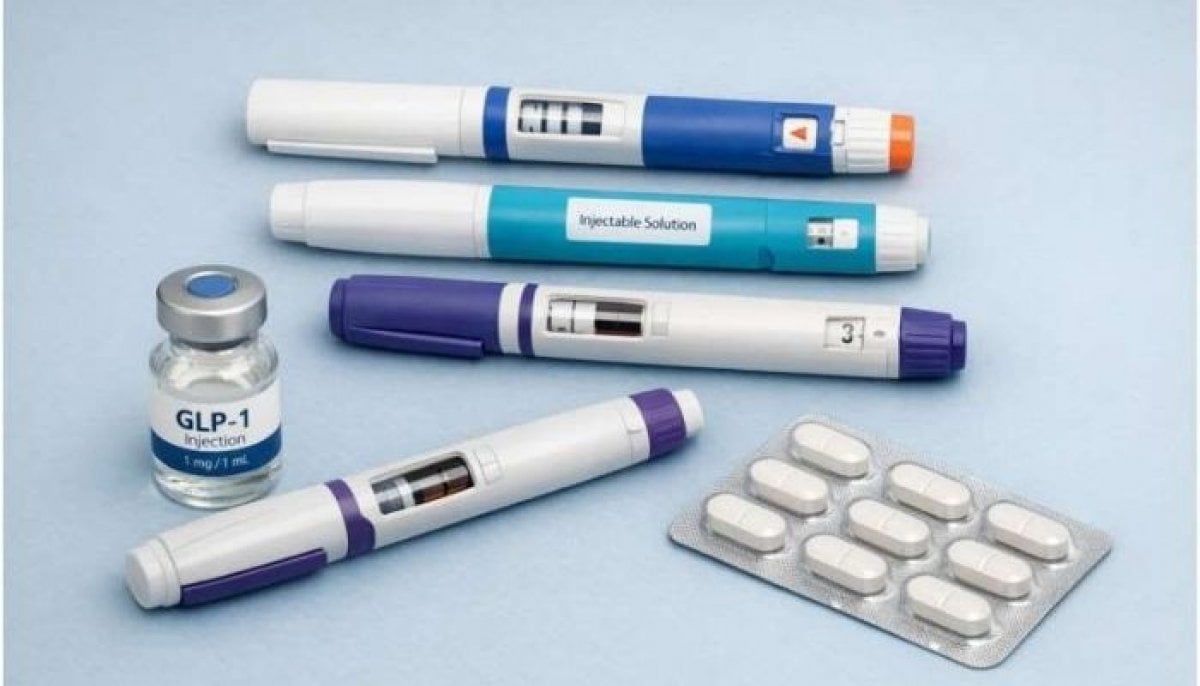 GLP-1 drugs cut US obesity from 39.9% to 36.4%
 -
 New clinical trial highlights precision-dosing strategy for vitamin D deficiency management