Can brain stimulation make people kinder & less selfish? New study offers hope
Study suggests being selfless is hardwired in brains to make people more caring
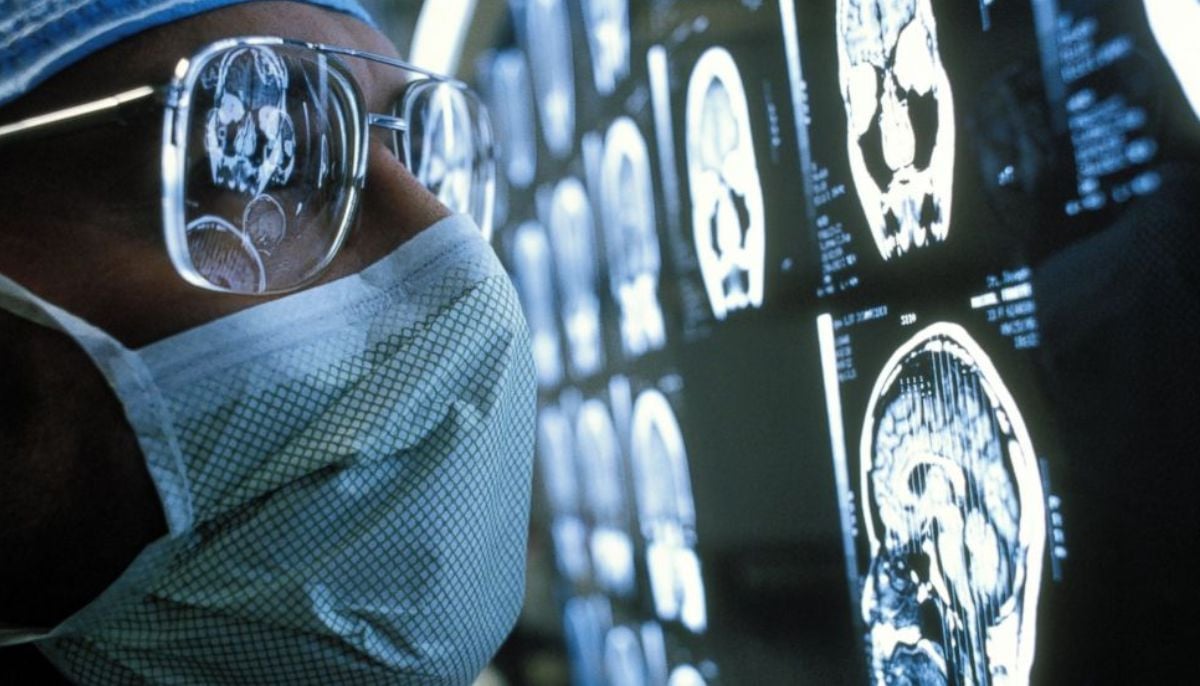
Scientists may be closer to reverse selfishness in people and make them more “generous and kind.”
According to a new research study, the researchers have been successful in making people “less selfish” by simulating certain areas of the brain.
In an experiment conducted at the University of Zurich, 44 volunteers were asked to divide an amount of money between themselves and an anonymous partner.
During their decision-making stage, an electrical current was applied to the frontal and parietal areas of the brain.
According to findings published in the journal PLOS Biology, these two areas when in the simulation stage influence participants’ decision-making, urging them to give away more money.
Although the generosity effects were proved to be temporary, it sets the stage for future research on cooperation.
These findings also suggest that generosity may be more than a moral lesson. It is possible to reduce selfishness while reshaping the working of the brain.
Prof Christian Ruff, one of the lead authors who carried out the experiments said, "The effects were not huge, but they're consistent.” offering the hope for futuristic opportunities.
“We identified a pattern of communication between brain regions that is tied to altruistic choices. This improves our basic understanding of how the brain supports social decisions, and it sets the stage for future research on cooperation – especially in situations where success depends on people working together,” Ruff added.
In future, the researchers could leverage these findings to develop intervention tools to improve individuals’ social function who are dealing with psychiatric conditions.


-
 Rabies concerns grow in US, sparking health warnings over fatal virus
 -
 This popular cooking garnish may offer surprising benefits for brain health
 -
 Was the human brain once two separate organs? Scientists find new clues
 -
 Novo Nordisk partners with Anthropic to accelerate AI-powered drug discovery
 -
 Congo Ebola outbreak reaches turning point as daily infections fall
 -
 Study reveals why some babies are born with heart defects
 -
 Third measles-associated death reported as Pennsylvania outbreak reaches 676 cases
 -
 Cyclosporiasis outbreak: US officially ends largest outbreak linked to contaminated lettuce
-
 Hot beverages increase risk of cancer? New research provides in-dept details
 -
Highest-level recall issued for potato chips over banned ingredient posing death risk
-
Very hot tea and coffee could triple cancer risk, Oxford study warns
-
Global study reveals nearly 1.7 million deaths linked to second-hand smoke exposure in 2023