Same name, different disease: A guide to type 1 and type 2 diabetes
Here's what you need to know about type 1 and type 2 diabetes
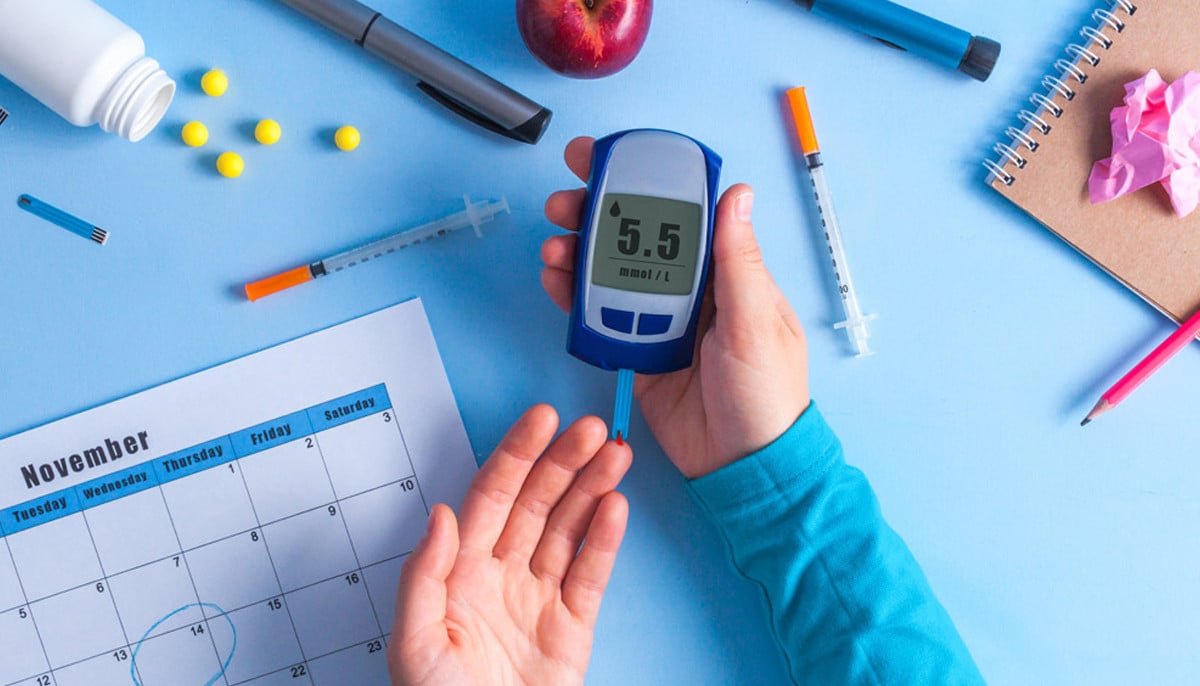
Diabetes is often used as an umbrella term that covers both its type 1 and type 2.
However, both these types of diabetes are fundamentally different diseases. The one symptom they have in common is chronically elevated blood sugar levels in the body.
Understanding the difference between the two types matters, not just in terms of medical, but socially as well. Misconceptions around diabetes often lead to oversimplification of a complex condition.
Type 1 Diabetes: When the Immune System Turns Inward
Type 1 diabetes is an autoimmune condition. The body’s own immune system mistakenly attacks and destroys the insulin-producing beta cells in the pancreas. As a result, insulin production drops to near zero.
Insulin is the hormone of your body that regulates blood sugar by allowing the cells in muscles, fat, and the liver to absorb glucose from the bloodstream. When insulin is absent blood sugar levels elevate and cells of your body basically "starve" due to energy deficiency.
This form of diabetes often appears in childhood or adolescence, though it can develop at any age. Symptoms usually appear suddenly and can be severe. Some points to note about diabetes type 1 are:
- Type 1 diabetes is not caused by lifestyle or diet.
- People with Type 1 diabetes must take insulin for survival.
- Without insulin, the body cannot use glucose at all.
Type 2 Diabetes: When Insulin Stops Working Properly
Type 2 diabetes is far more common and develops differently. Here, the pancreas still produces insulin, but the body’s cells become resistant to its effects. Due to this, over time, insulin production may also decline.
This disease usually develops gradually and is more common in adults, though now, it is increasingly being seen in younger populations as well.
- Important characteristics of diabetes type 2 include:
- Strong links to genetics, lifestyle, and environmental factors.
- Can often be managed initially with diet, exercise, and oral medications.
- Some people may eventually require insulin, but not all of them do.
While both types of diabetes lead to high blood sugar, their causes, treatments, and daily management are significantly different. Treating them as interchangeable creates misunderstanding among patients as well as the public.







-
 Gene mutation may affect how schizophrenia patients see reality
 -
 Is all chocolate healthy? Here’s what the science really says
 -
 What to know before using weight-loss drugs like Ozempic
 -
 Singapore confirms first local spread of mutated monkeypox clade Ib strain
 -
 World Autism Awareness Day: Celebrating different minds, shaping a shared future
 -
 Some grief never goes away—Scientists now know why
 -
 E-cigarettes: A proving quitting tool that still carries health risks
 -
 Eli Lilly expands $2.75B AI-enabled drug discovery deal with Insilico Medicine