New research brings us closer to malaria-free world
Scientists discover the reason why malarial mosquitoes are growing resistant to insecticides
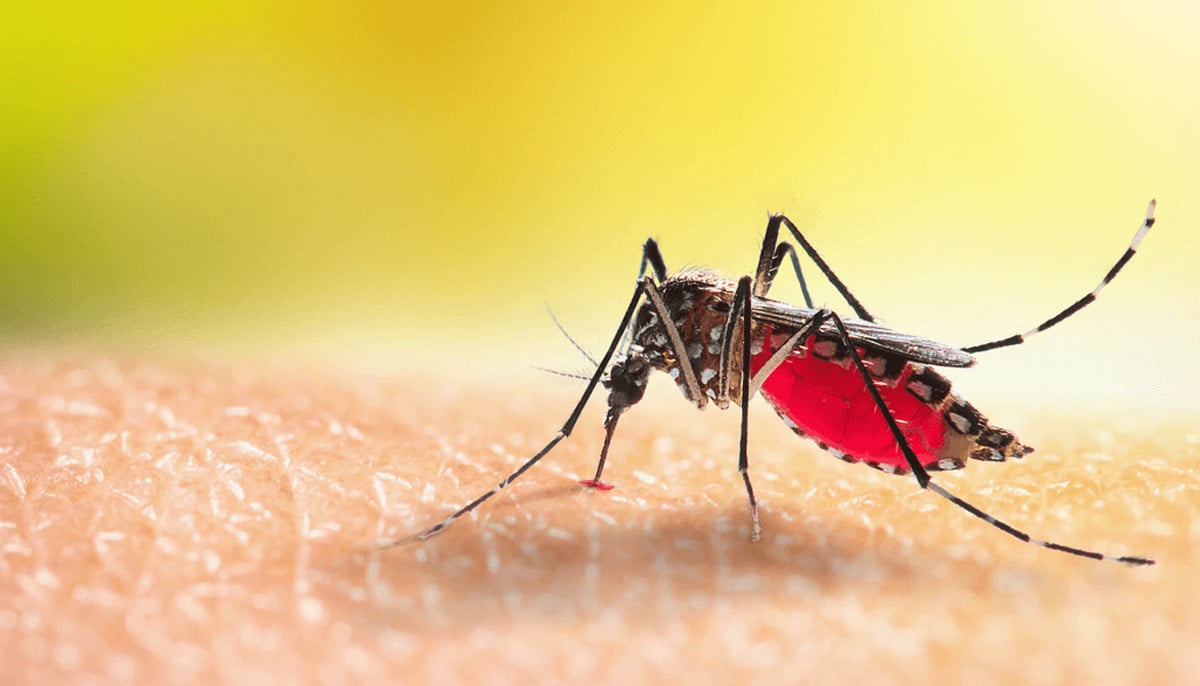
A new study, jointly led by Liverpool School of Tropical Medicine and the Centre for Research in Infectious Diseases (CRID) in Cameroon, has detected a part in the DNA for a key enzyme, known as cytochrome P450, that helps mosquitoes to break down and survive exposure to pyrethroids, the main insecticides used for treating bed nets.
This new finding, published in Science Translational Medicine, will help to better implement insecticide resistance management strategies and contribute to reducing the burden of malaria in sub-Saharan Africa, home to 90% of worldwide cases.
Professor Charles Wondji, Professor of Genetics and Vector Biology at Liverpool School of Tropical Medicine and lead author on the study said:
“Our study designed field-applicable tools to easily track the spread of metabolic resistance in the major malaria mosquito species and assess its impact on control interventions. These important findings can help to maintain the effectiveness of insecticide-based tools such as bed nets which remain a cornerstone of malaria prevention."
Bed nets and indoor mosquito repellent spraying have been critical to controlling the spread of malaria, but progress has slowed over the last decade because of increased insecticide resistance, notably through metabolic resistance processes in mosquitoes through the production of detoxification enzymes.
This growing global threat must be addressed to improve the effectiveness of current and future control strategies and further reduce the malaria burden, with 200 million cases and 600,000 deaths annually worldwide.
The research is the first to address malaria mosquitoes having adapted to insecticides and developed resistance due to their gene.







-
 Novo Nordisk partners with Anthropic to accelerate AI-powered drug discovery
 -
 Congo Ebola outbreak reaches turning point as daily infections fall
 -
 Study reveals why some babies are born with heart defects
 -
 Third measles-associated death reported as Pennsylvania outbreak reaches 676 cases
 -
 Cyclosporiasis outbreak: US officially ends largest outbreak linked to contaminated lettuce
 -
 Hot beverages increase risk of cancer? New research provides in-dept details
 -
 Highest-level recall issued for potato chips over banned ingredient posing death risk
 -
 Very hot tea and coffee could triple cancer risk, Oxford study warns