Experts unveil simple ways to prevent cancer
The World Health Organization has revealed how more than a third of all cancer cases are preventable
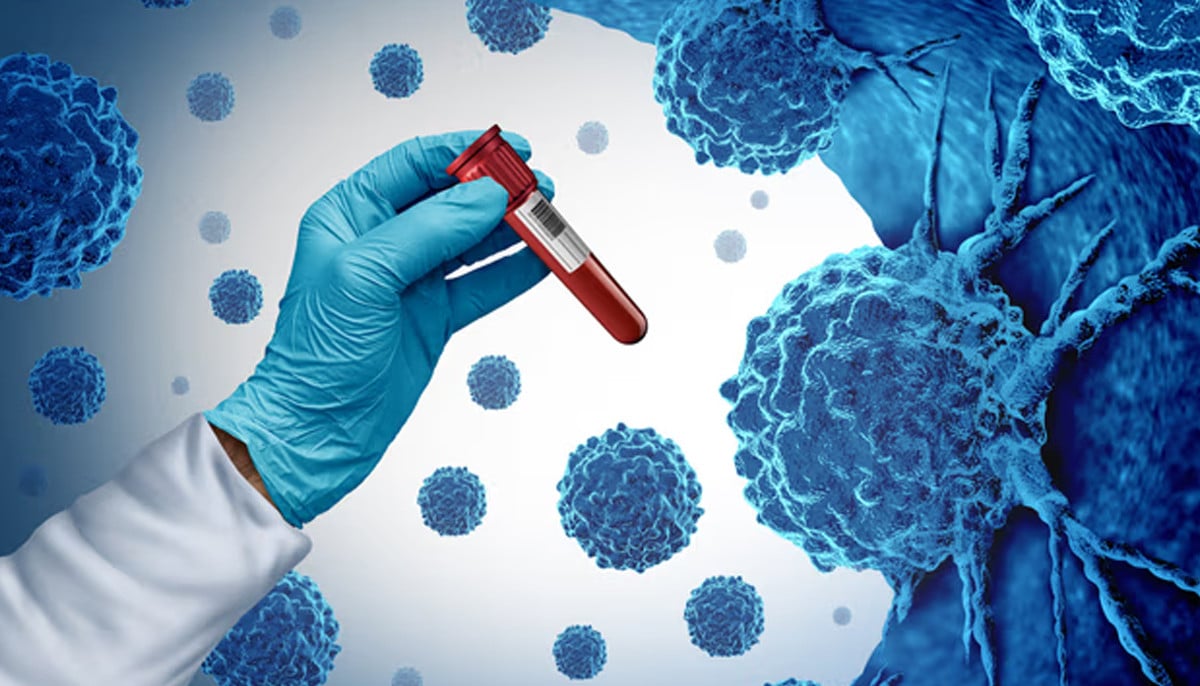
Cancer can be a life-altering disease.
According to new analysis from the World Health Organization (WHO), more than a third of all cancer cases globally are preventable.
And nearly half of those cases include lung, stomach, and cervical cancers.
This means that millions of deadly cancers every year could be prevented through medical intervention, behavioral/lifestyle changes or tackling environmental pollutants.
Medical epidemiologist at WHO and senior author of the analysis, Isabelle Soerjomataram, said: "Addressing these preventable causes represents one of the most powerful opportunities to reduce the global cancer burden.”
The analysis found that in 2022, there were nearly 19 million new cases of cancer and roughly 38 percent of those diagnoses were related to 30 changeable risk factors.
These included tobacco smoking, alcohol consumption, high body mass index, insufficient physical activity, smokeless tobacco (like chewing tobacco), a traditional stimulant known as areca nut, suboptimal breastfeeding, air pollution, ultraviolet radiation, infectious agents, and over a dozen occupational exposures.
The number one preventable factor associated with cancer is smoking tobacco. It was linked to 15 percent of all cancer cases that year.
For men, the risk was particularly high as smoking contributed to 23 percent of all new cancer cases globally in men that year.
After tobacco smoking, the changeable lifestyle factor is drinking alcohol. It accounted for 3.2 percent of all new cancer cases (approximately 700,000 cases).
Infections, meanwhile, were linked to roughly 10 percent of new cancer cases. Among women, the largest share of preventable cancers was due to high-risk human papillomavirus (HPV), which can lead to cervical cancer.
The good news is we now have a vaccine for HPV that prevents many of these associated diseases, however the percentage of people who got vaccinated is quite low.
Meanwhile, stomach cancer cases are higher among men and are usually linked with smoking and infections due to overcrowding, inadequate sanitation, and poor access to clean water.
"By examining patterns across countries and population groups, we can provide governments and individuals with more specific information to help prevent many cancer cases before they start," informed André Ilbawi, WHO Team Lead for Cancer Control and co-author of the analysis.



-
 New personalized cancer vaccine cuts Melanoma recurrence risk by 42%, trial shows
 -
 Prime editing rewrites DNA inside human body for the first time
 -
 WHO investigates mystery Ebola case in Nigeria as outbreak spreads beyond DR Congo
 -
 Virginia Sen. Louise Lucas indicted on racketeering and marijuana charges
 -
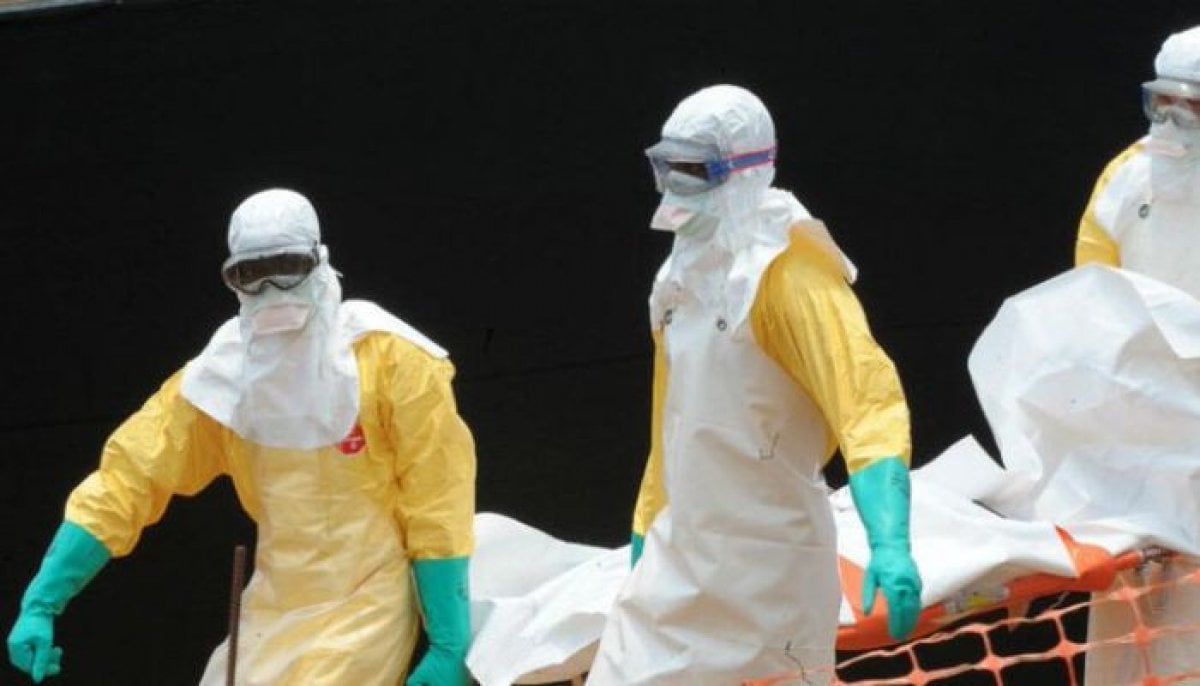 France confirms world's first human case of Shamonda virus; patient dies
 -
 OpenAI agents uncover brain disease leads: Here’s how
 -
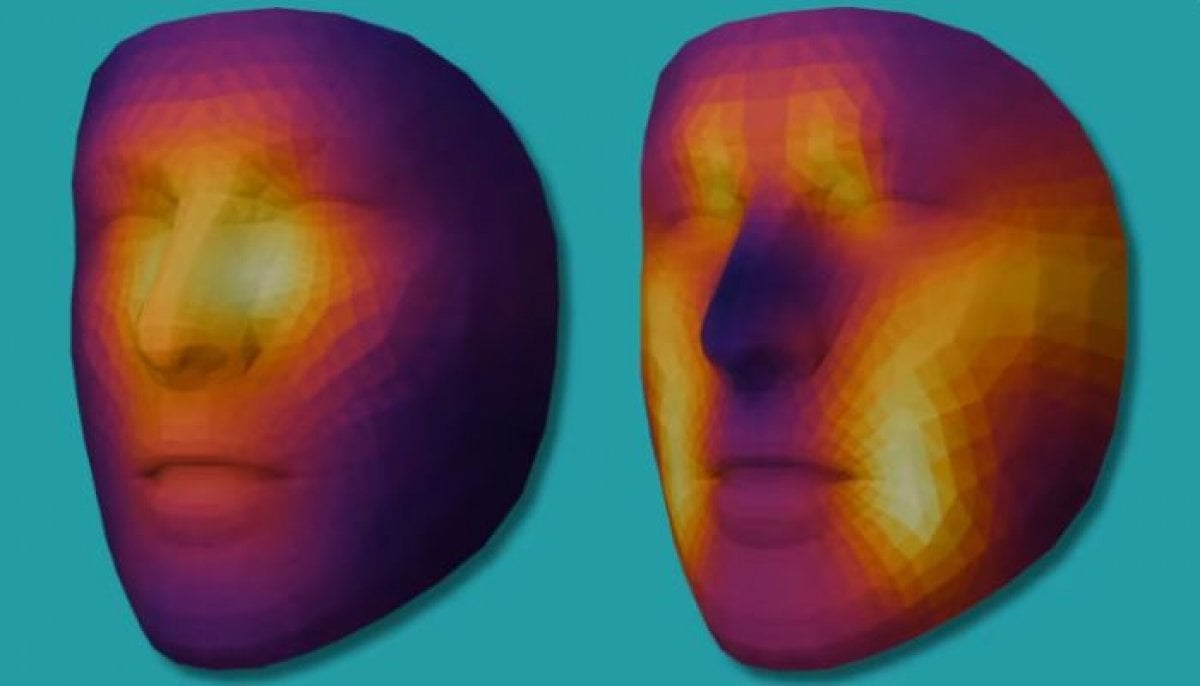 AI tool can now predict cancer survival by a single patient selfie: Find out how
 -
 Scientists identify a new type of depression affecting 1 in 4 patients
-
 Everything to know about US FDA’s new guidance on apps used with prescription drugs
 -
‘Immortal’ jellyfish could hold clues to slowing human ageing
-
Ebola crisis worsens in DR Congo as virus reaches eighth province with over 4,500 dead
-
Study finds eating blueberries every day can surprisingly boost your mood