Social media reduces anxiety? Here's what new study suggests
Is social media ban really the solution to keep our generation safe from mental harm?
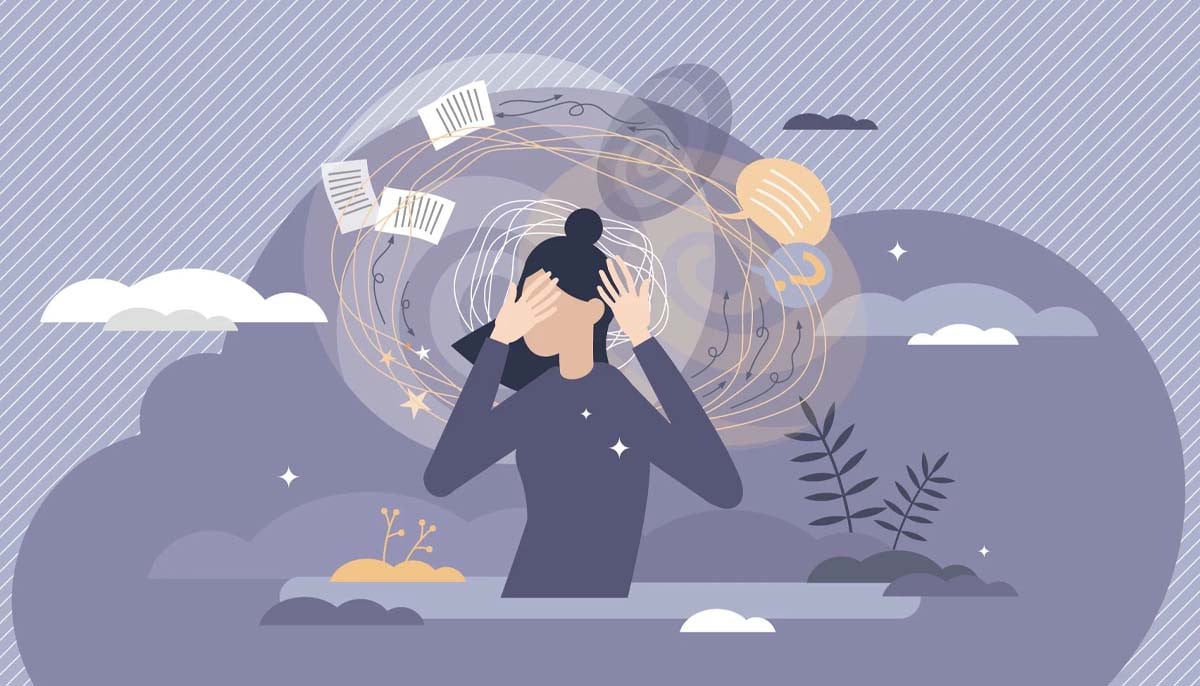
Anxiety is the second leading cause of disability and mortality worldwide because it leads to many other problems such as depression and suicide.
While social media can be a cause of anxiety, it can also be a potential solution as a researcher at the University of Arkansas recently found that young adults who receive emotional support on social media are significantly more likely to have reduced anxiety symptoms.
Among the study's findings was that people with high openness to experience, high extraversion, high flexibility, and low conscientiousness reported an increase in perceived social media emotional support.
The study published in Psychiatry International, mentioned, "Longitudinal studies demonstrate an association between social media use and anxiety," adding, "However, the mechanism of this association in terms of emotional support is not completely understood. This new study addressed these important research questions, finding strong and linear associations of reduced anxiety, especially among females."
The national sample was comprised of more than 2,403 U.S. adults between the ages of 18 and 30 and their anxiety was measured using the Patient Reported Outcome Measurement Information System scale.
Emotional support was measured by asking participants how much support they receive on popular social media platforms, and personality was measured using the Big Five Inventory, which assesses openness, conscientiousness, extraversion, agreeableness and neuroticism.
"The findings from this research have important social implications, given the increased prevalence of anxiety among young adults," the researchers noted.
"We currently know that anxiety also increases the risk of stress-induced inflammation, sleep disruption, migraine headaches, negative workplace culture, maladaptive perfectionism, low self-esteem, and negatively impacting academic performance,” they further mentioned.
"People thrive when they feel valued, supported and part of a cohesive group," said co-author, Renae Merrill, a lecturer in the Fulbright College of Arts and Sciences at the University of Arkansas, and Chunhua Cao, an assistant professor in the College of Education at the University of Alabama.
"Becoming more emotionally aware in our interactions with others is essential. This involves taking the time to really understand what others are going through and offering positive meaningful support as much as possible. Improving perception, communication, and emotional awareness both in-person and on social media platforms is integral for improving health and well-being,” the expert concluded.



-
 This popular cooking garnish may offer surprising benefits for brain health
 -
 Was the human brain once two separate organs? Scientists find new clues
 -
 Novo Nordisk partners with Anthropic to accelerate AI-powered drug discovery
 -
 Congo Ebola outbreak reaches turning point as daily infections fall
 -
 Study reveals why some babies are born with heart defects
 -
 Third measles-associated death reported as Pennsylvania outbreak reaches 676 cases
 -
 Cyclosporiasis outbreak: US officially ends largest outbreak linked to contaminated lettuce
 -
 Hot beverages increase risk of cancer? New research provides in-dept details
-
 Highest-level recall issued for potato chips over banned ingredient posing death risk
 -
Very hot tea and coffee could triple cancer risk, Oxford study warns
-
Global study reveals nearly 1.7 million deaths linked to second-hand smoke exposure in 2023
-
AI-designed drug also slowed biological aging, study finds