Sleeping without pillows? New study reveals it may help protect vision in people with glaucoma
Sleeping without pillows may help lower high internal eye pressure

A recent study published in the British Journal of Ophthalmology further suggests that for people with glaucoma, the common habit of using multiple pillows may be counterproductive.
Researchers explained that stacked pillows alter neck position, which can compress the jugular vein. This compression interferes with the drainage of aqueous humor-the fluid that nourishes eye tissues (like the cornea and lens) and helps maintain eye shape and internal pressure.
Experimentation has been made which demonstrated that in all 96 participants, 67% had a demonstrable increase in IOP when transitioning from a supine to an elevated position, with an average increase of around 1.61 mm Hg.
The results further indicate that young adults were much more likely to have significantly greater IOP than older adults, as were those with primary open angle glaucoma. Because this study is observational, no firm conclusions can be drawn about direct cause and effect.
It has been observed that patients with glaucoma may benefit from avoiding sleeping postures that induce jugular venous compression to mitigate IOP elevation. These kinds of behavioural adjustments are simple yet to provide an effective strategy for optimizing long term IOP management.
Additionally, the study has some limitations, including a small number of participants in each of the glaucoma groups. Further research is needed to validate these preliminary findings, which may be linked to jugular venous compensation induced by neck flexion.


-
 France steps up Ebola support in Congo as fears of resurgence grow
 -
 Vance’s fraud crackdown may raise health insurance costs for Americans
 -
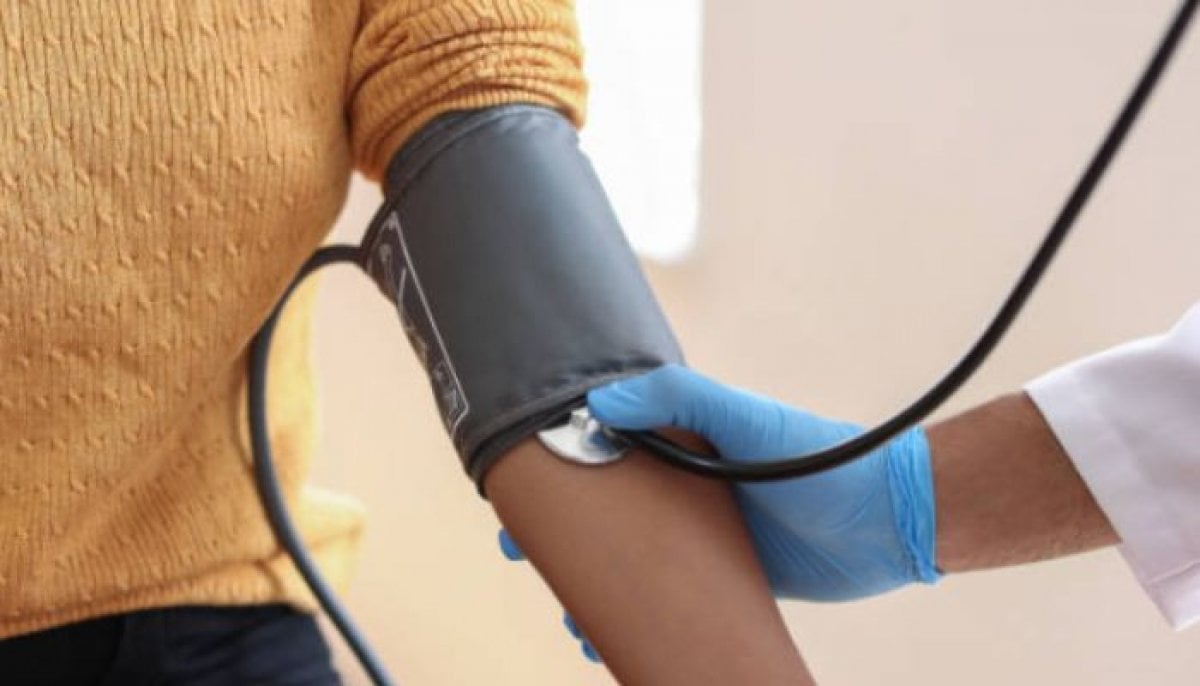 One common mistake elevates blood pressure readings by 7 points, study warns
 -
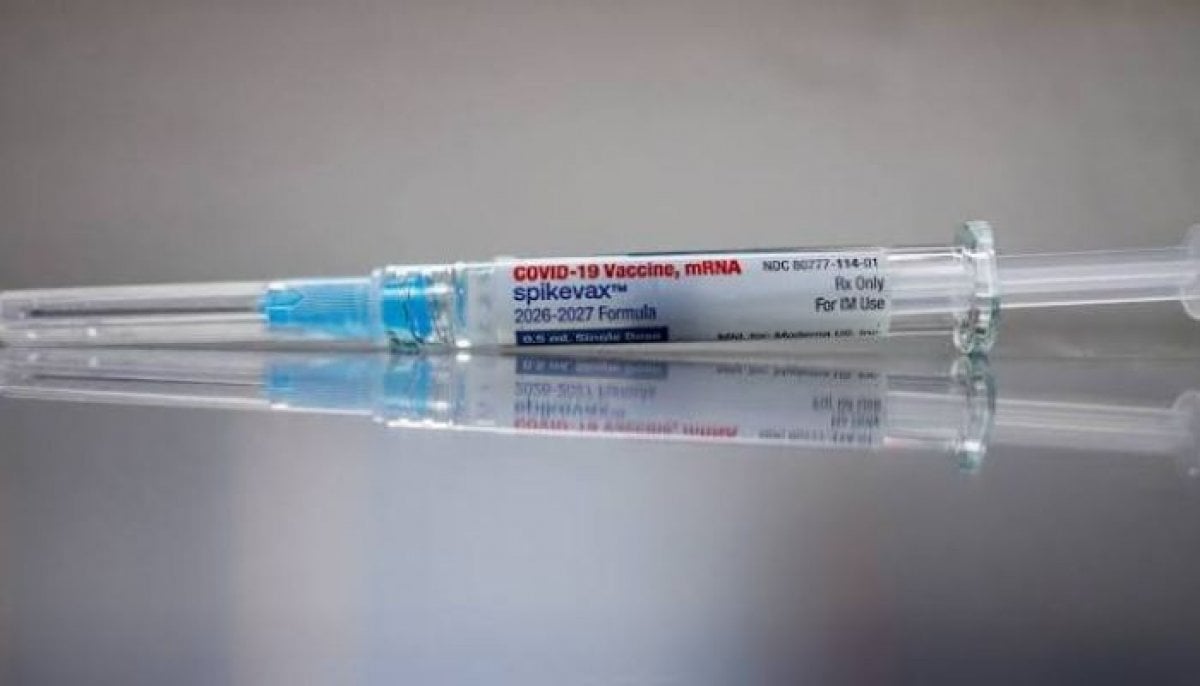 Moderna loses US government license defense in patent case
 -
 Novo says new Ozempic shows lower cardiovascular risk compared with Lilly’s Mounjaro
 -
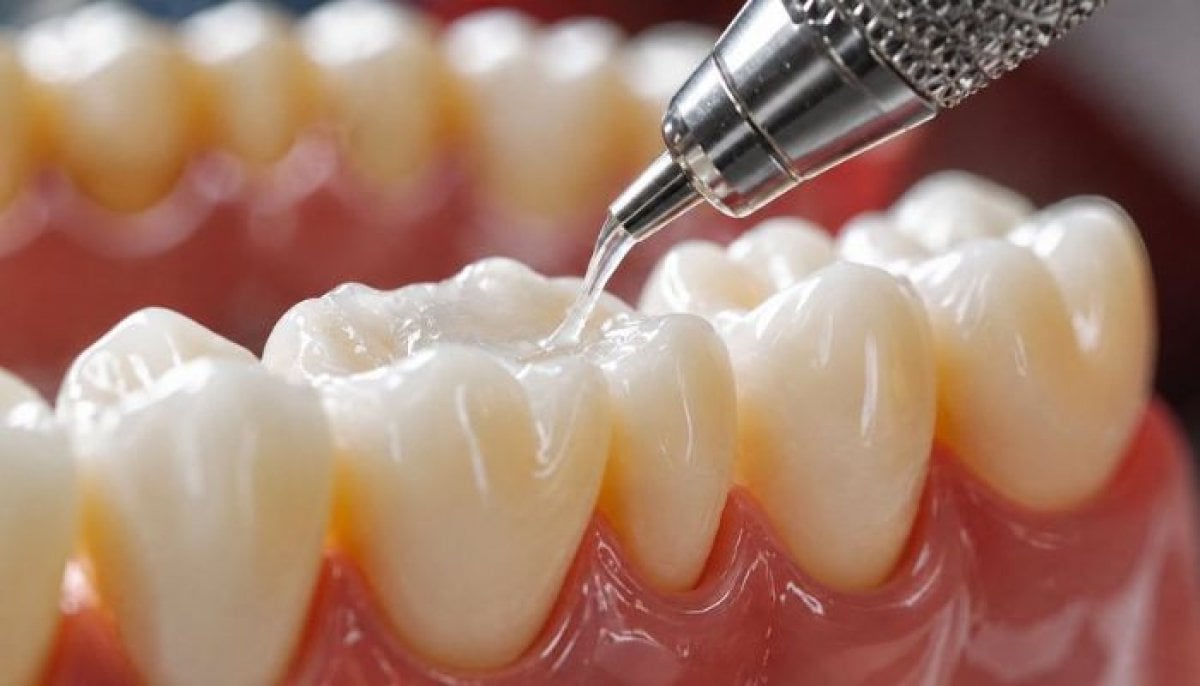 University of Nottingham researchers say new gel could regrow tooth enamel in weeks
 -
 New Chinese drug extends stroke treatment window from hours to 2 days: study finds
 -
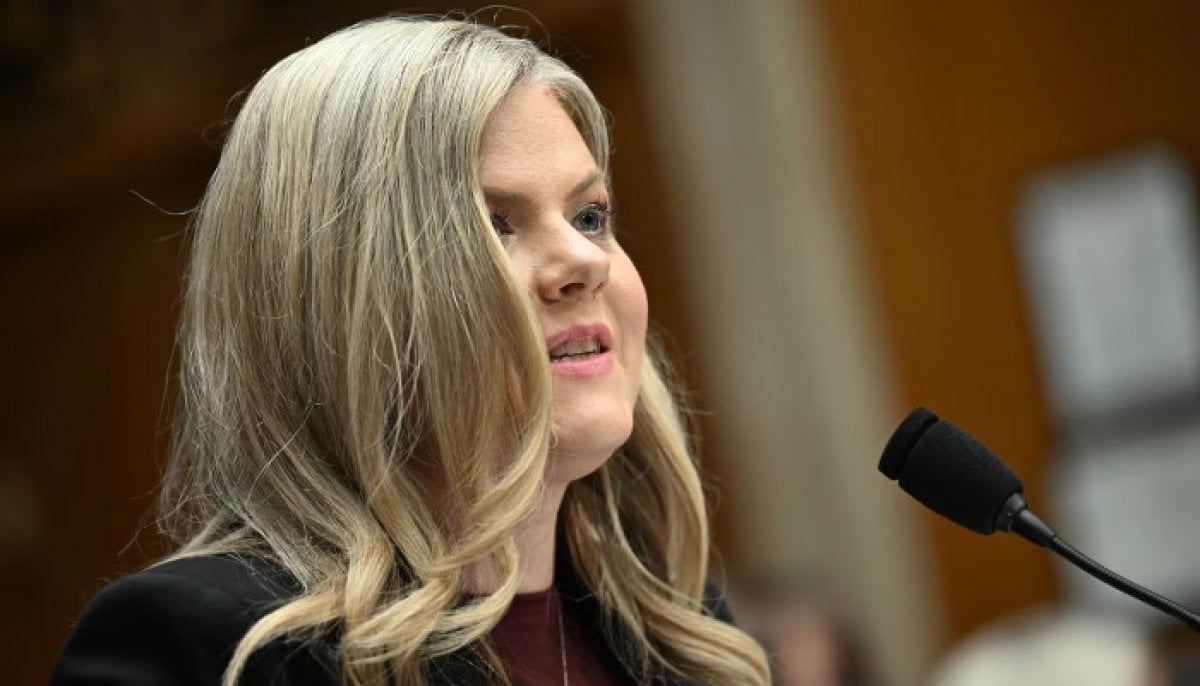 Trump’s FDA nominee Heidi Overton defends vaccines, contradicting his claims