What you need to know about the ‘3 Ps’ of diabetes
The '3 Ps' of diabetes are usually the most early and common signs of the disorder
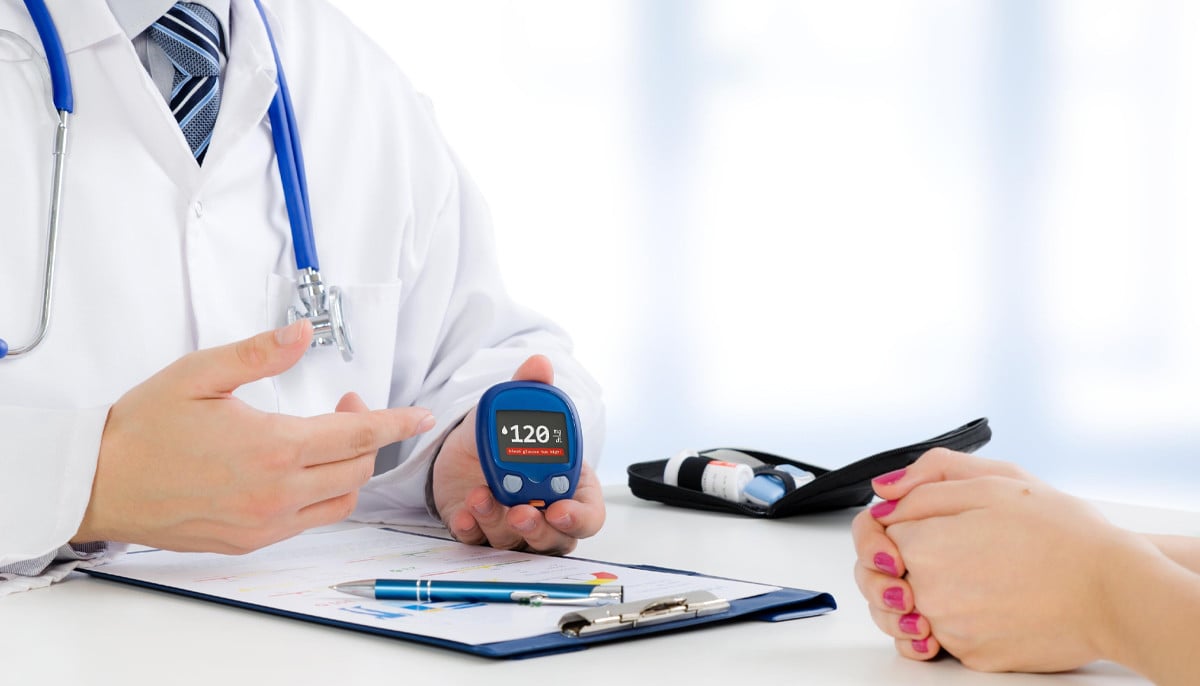
Diabetes is when your body has chronically elevated blood glucose levels due to either insulin insensitivity or lack of insulin itself.
Insulin is a hormone produced by the pancreas that allows glucose to be absorbed by the cells and be utilized for energy. When insulin is absent, insufficient, or ineffective, glucose accumulates in the bloodstream.
We mainly have two types of diabetes, Type 1 diabetes, which is caused by autoimmune destruction of insulin-producing beta cells, and Type 2 diabetes, characterized by insulin resistance and relative insulin deficiency.
Despite different origins, their early clinical signals often overlap which are commonly addressed as the “3 Ps.”
1. Polyuria – Excessive Urination
Polyuria refers to frequent and excessive urination. When blood glucose exceeds the kidney’s reabsorption capacity, glucose spills into the urine, pulling water along with it via osmosis.
2. Polydipsia – Excessive Thirst
With constant fluid loss due to urination comes dehydration. The brain responds to this by triggering intense thirst, which is known as polydipsia. Patients may drink large amounts of water yet feel persistently dry-mouthed.
3. Polyphagia – Excessive Hunger
Despite high blood sugar, cells are “starved” due to inadequate glucose uptake, leading to polyphagia, or increased hunger.
Hence, if you think you’re experiencing the 3 Ps of diabetes, it’s best to consult your healthcare provider or general physician to get tested for it.
Untreated diabetes can silently damage blood vessels, nerves, kidneys, eyes, and the heart, so, recognizing the 3 Ps early allows for timely diagnosis, intervention, and prevention of long-term complications.



-
 ‘Immortal’ jellyfish could hold clues to slowing human ageing
 -
 Ebola crisis worsens in DR Congo as virus reaches eighth province with over 4,500 dead
 -
 Study finds eating blueberries every day can surprisingly boost your mood
 -
 Eli Lilly’s Foundayo weight-loss pill gets European approval recommendation
 -
 What is BPC-157? Trump administration considers easing rules on popular peptide injections
 -
 West Nile virus: Europe reports 141 deaths as human cases rise in 2026
 -
 Health Canada reviewing new mRNA flu vaccine that could prevent more hospitalisations
 -
 Scientists discover hidden drainage route at the back of the eye