7 simple ways to stay safe from dementia
Here are some easy ways to reduce your risk of having dementia
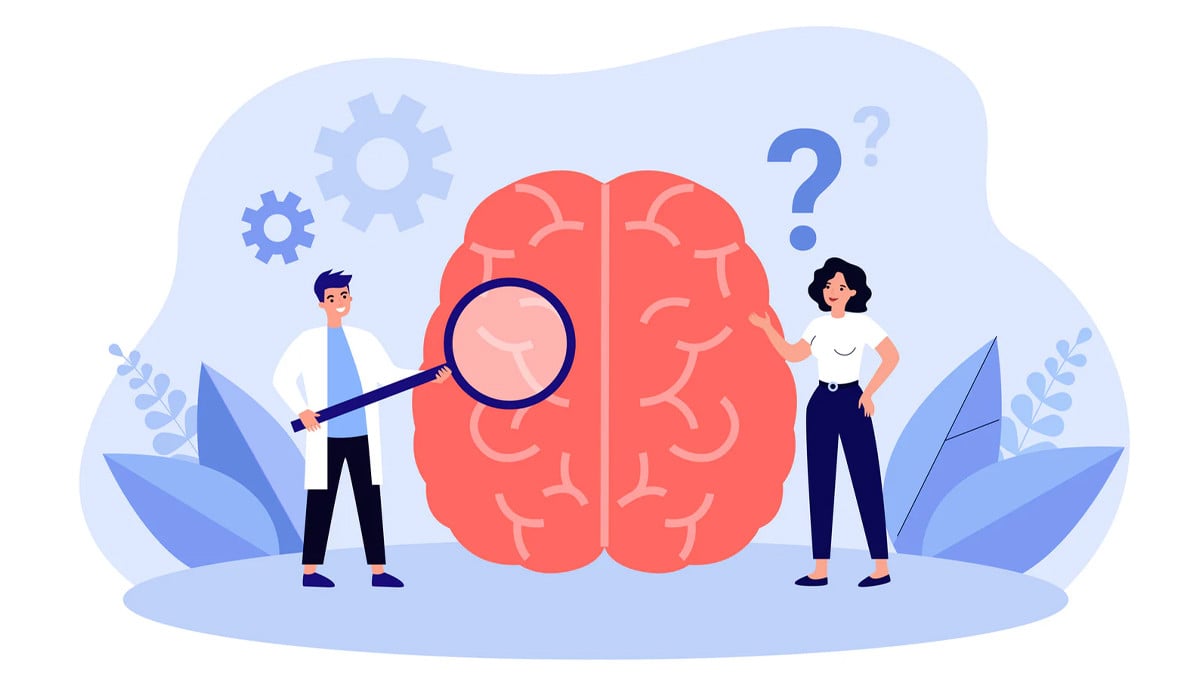
Dementia is a progressive brain disorder caused due to physical damage to brain cells from diseases like Alzheimer’s (amyloid/tau protein build-up) or vascular issues (reduced blood flow).
Its symptoms involve decline in memory, thinking, and social abilities that it impairs daily life. Dementia's early symptoms include memory loss, confusion, and difficulty with daily tasks.
However, as scary as the disorder may sound, there are simple ways to keep it at bay.
Here are seven rules that you can include in your lifestyle to reduce the risk of having dementia.
1. Exercise
A life without exercise is linked to many dementia risk factors, including obesity, type 2 diabetes and heart disease.
A 2022 study that kept a track of half-a-million middle-aged Britons for 11 years found those who regularly exercised had a 35 per cent lower chance of developing dementia.
“The brain is amazingly resilient and malleable, which means there is plenty you can do to strengthen it – exercise is one of the most powerful tools we have,” Tara Spires-Jones, a professor of neurodegeneration at the University of Edinburgh, explained.
2. Be careful with your head
Falls or certain injuries to the head may result in trauma to the brain that increases your risk of developing dementia later in life by two or three-fold.
Damage can trigger the production of abnormal tau and amyloid proteins, which are linked to Alzheimer’s and even though the symptoms may not show for years, dementia is one of the disorders a person experiences due to Alzheimer’s.
“Around 40 per cent of people aged 60 who have a fall will suffer a head injury,” says Dr. Li.
3. Choose your environment carefully
Breathing in polluted air can raise your dementia risk by 10 per cent. Air pollution, caused be various sources including traffic and industrial smoke– contains tiny PM2.5 particles linked to lung conditions and heart disease, both of which are dementia risk factors.
“There is evidence PM2.5 particles can enter the brain, so avoid walking regularly along busy roads – dropping back a couple of streets can make a big difference to the overall amount you inhale, as can resisting lighting the wood-burner,” says Gill Livingston, a professor of psychiatry of older people at University College London.
4. Stay in touch with your loved ones
Socializing and keeping contact with your friends and family is vital to maintaining a healthy brain into later life, Dr. Li stated.
People who are isolated and lonely have a 60 per cent more chance of developing dementia in comparison to a person who is social, as per the Alzheimer’s Society.
“There is something uniquely beneficial about maintaining a variety of social interactions,’ explains Dr. Li. “These stimulate different brain networks from those exercised by mental puzzles.”
5. Stop smoking
Smoking is a big risk factor that increases your dementia risk by 30 per cent as it triggers many lung problems, a risk factor for dementia, according to The Lancet Commission researchers.
“The chemicals in cigarettes contain neurotoxins, which can penetrate the blood-brain barrier [that protects the brain]. This causes inflammation and damage to brain cells, linked to the development of Alzheimer’s,” explains Professor Livingston.
However, there is a positive side too and that is, within two years of quitting smoking, you can reduce your dementia risk to the same as someone who’s never smoked, assures Professor Livingston.
6. Avoid the use of AI for everything
As common as Artificial Intelligence (AI) may be now a days, it is also good to give your brain a little push every now and then, without the support of a machine.
“Pushing your brain to try new things is a key way to build a stronger brain,” said Dr. Tom MacLaren, a consultant psychiatrist at Re:Cognition Health clinic in London.
A 2023 study involving 280,000 Britons aged 40-69 found that those who took part in adult education classes had a 19 per cent lower risk of developing dementia five years later.
“The brain rewires when it learns a skill, improving cell connections and making it more resilient to damage,” explained Dr. MacLaren. “Tempting as it is, try to avoid using AI to do everything for you, your brain needs the workout.”
7. Avoid drinking
Alcohol is a toxin that has the ability to penetrate the brain by crossing the protective blood-brain barrier. It can damage connections between brain cells and even kill them, says Professor Spires-Jones.
Drinking too much also damages blood vessels, which transport nutrients around the body, and is linked to stroke and heart disease, as well as weight gain, all of which are dementia risks.
People who regularly drink more than 21 units a week are more likely to develop dementia than those who stick to the NHS guidelines of 14 units a week, according to the charity Alzheimer’s Research UK.



-
 New personalized cancer vaccine cuts Melanoma recurrence risk by 42%, trial shows
 -
 Prime editing rewrites DNA inside human body for the first time
 -
 WHO investigates mystery Ebola case in Nigeria as outbreak spreads beyond DR Congo
 -
 Virginia Sen. Louise Lucas indicted on racketeering and marijuana charges
 -
 France confirms world's first human case of Shamonda virus; patient dies
 -
 OpenAI agents uncover brain disease leads: Here’s how
 -
 AI tool can now predict cancer survival by a single patient selfie: Find out how
 -
 Scientists identify a new type of depression affecting 1 in 4 patients
-
 Everything to know about US FDA’s new guidance on apps used with prescription drugs
 -
‘Immortal’ jellyfish could hold clues to slowing human ageing
-
Ebola crisis worsens in DR Congo as virus reaches eighth province with over 4,500 dead
-
Study finds eating blueberries every day can surprisingly boost your mood