Three simple measurements that can reveal your diabetes risk
Diabetes depends on factors more than just diet
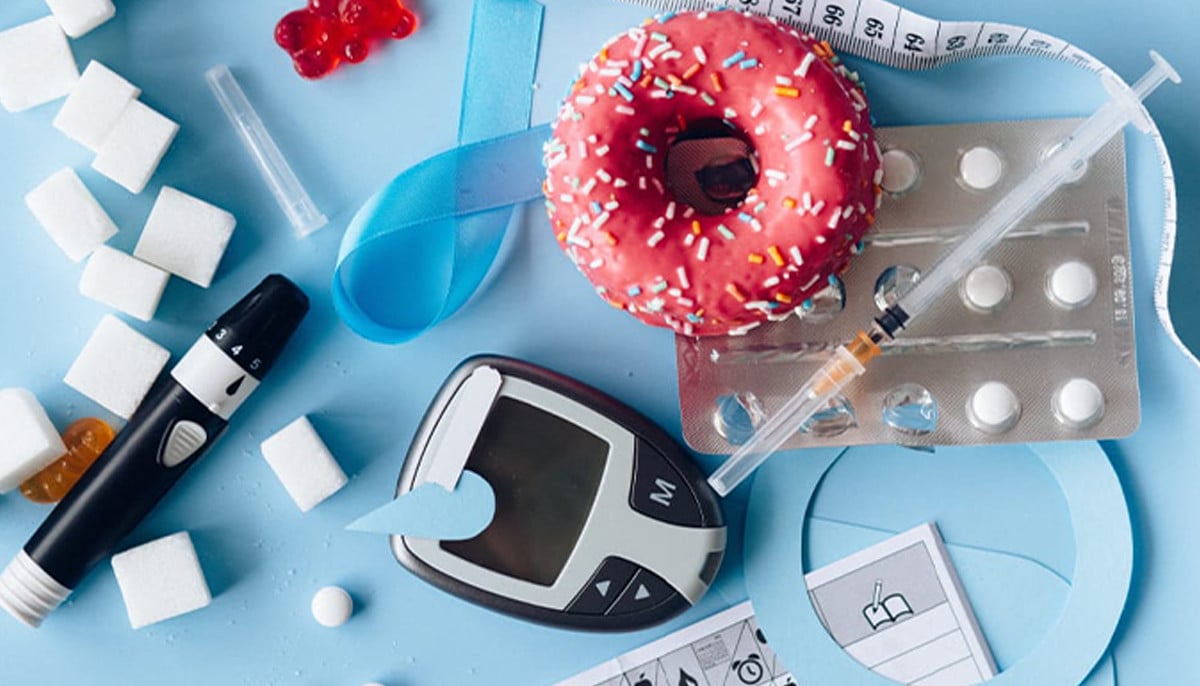
Did you know that apart from your diet, there are other physiological factors that can increase your chances of getting type 2 diabetes?
Type two diabetes is a chronic metabolic condition where your blood-sugar levels spike due to insulin resistance or because your body does not produce enough of it so that sugar levels could be regulated. If left untreated, this condition can cause long-term damage to your body.
However, some people can live with the disease for up to 10 years before being diagnosed as it might not show any signs.
Diabetes UK has urged people to know their risk of diabetes by being aware of the things that can increase their chances of developing it such as waist measurement, blood pressure and weight.
These three measurements can determine how high your risk is and can also be reversed with simple lifestyle changes in most cases.
Waist measurement
Type two diabetes is usually associated with being generally overweight, but even people with low or healthy BMIs can develop the disease.
Diabetes UK noted that regardless of your general weight, carrying a bit extra around your waist can be a major warning sign.
“Carrying extra weight around your middle means fat can build up around organs, like your liver and pancreas. This can cause something called insulin resistance as the insulin can’t get through the fat,” they stated.
Healthy waist measurements are less than:
• 80cm (31.5in) for all women
• 94cm (37in) for most men
Blood Pressure
High blood pressure rarely causes any symptoms but it can increase your risk of a numerous health issues from heart attacks to diabetes.
Blood pressure can be heavily influenced by your diet. Avoiding salt, alcohol and caffeine can help manage your health. Other lifestyle factors that influence it include smoking, stress and being overweight.
Weight
Diabetes UK notes: “Living with overweight or obesity alone doesn’t cause type 2 diabetes as many people think, but it is one of the factors that can increase your risk. This misunderstanding leads to unfair judgment and shame (stigma) which stops people going to healthcare appointments to get the help they need to help them lower their risk of type 2 diabetes.”







-
 Was the human brain once two separate organs? Scientists find new clues
 -
 Novo Nordisk partners with Anthropic to accelerate AI-powered drug discovery
 -
 Congo Ebola outbreak reaches turning point as daily infections fall
 -
 Study reveals why some babies are born with heart defects
 -
 Third measles-associated death reported as Pennsylvania outbreak reaches 676 cases
 -
 Cyclosporiasis outbreak: US officially ends largest outbreak linked to contaminated lettuce
 -
 Hot beverages increase risk of cancer? New research provides in-dept details
 -
 Highest-level recall issued for potato chips over banned ingredient posing death risk