Deadly Nipah virus outbreak explained as WHO confirms infections
Nipah virus, though rare, is considered one of the most dangerous pathogens due to its high fatality rate and lack of approved treatment
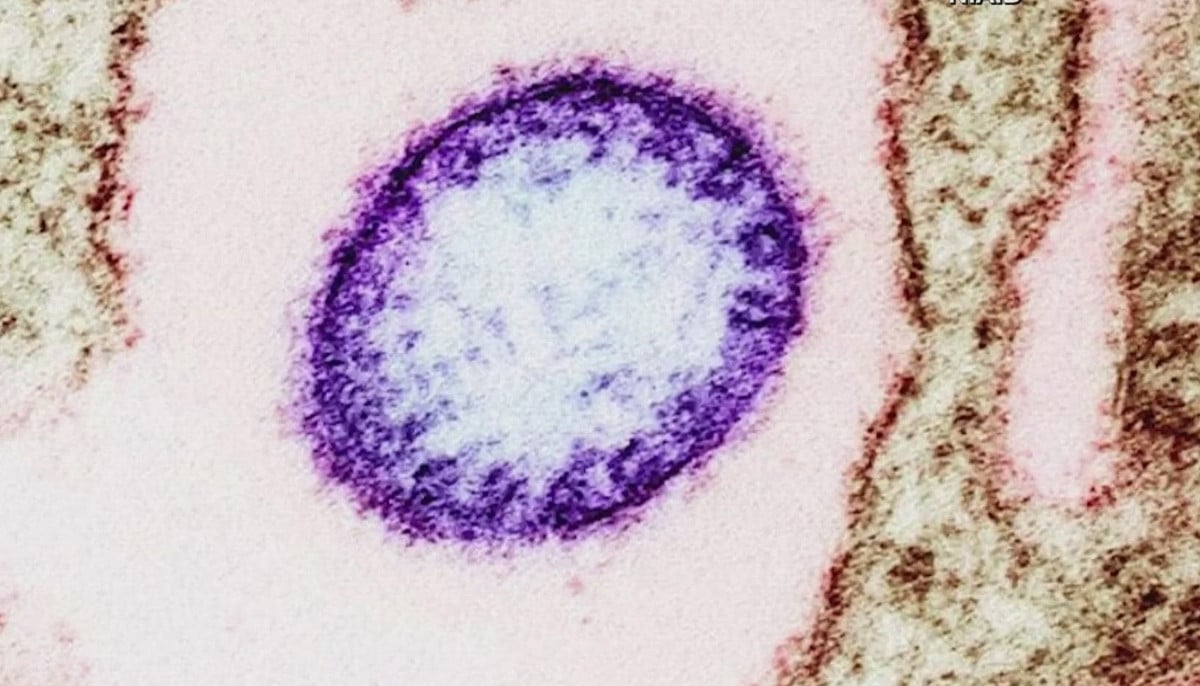
Health officials are closely monitoring a deadly Nipah virus outbreak after the World Health Organization confirmed two new cases in an eastern Indian state this week.
The virus, though rare, is considered one of the most dangerous pathogens due to its high fatality rate and lack of approved treatment or vaccine.
Nipah virus is a zoonotic disease, meaning it spreads from animals to humans.
According to the US Centre for Disease Control and Prevention, infections most often occur through direct contact with infected fruit bats or pigs, or by consuming fruit products contaminated with bat saliva or urine.
In some cases, the virus can also spread from person to person through close contact.
Symptoms typically appear within four to 14 days. Early signs are flu-like and include fever, headache, muscle pain, vomiting and sore throat.
In many cases, the illness progresses rapidly, leading to brain inflammation, seizures, coma and sometimes death within days.
Respiratory symptoms such as cough and breathing difficulties have also been reported.
The virus is classified as biosafety level four, placing it in the same category as Ebola.
Fatality rates have ranged from 40 to 75 per cent in past outbreaks.
Survivors may experience long-term neurological complications, including fatigue and changes in behavior or cognitive function.
There is currently no specific treatment for Nipah virus and doctors rely on supportive care, including respiratory support for severe cases.
Prevention remains the primary defence, with health authorities focusing on limiting animal-to-human transmission and strict infection control measures.
Nipah outbreaks occur almost every year in parts of South and Southeast Asia, particularly in India and Bangladesh.
Globally, fewer than 800 cases have been reported, underscoring the virus’s rarity but also its serious public health risk.


-
 Virginia Sen. Louise Lucas indicted on racketeering and marijuana charges
 -
 France confirms world's first human case of Shamonda virus; patient dies
 -
 OpenAI agents uncover brain disease leads: Here’s how
 -
 AI tool can now predict cancer survival by a single patient selfie: Find out how
 -
 Scientists identify a new type of depression affecting 1 in 4 patients
 -
 Everything to know about US FDA’s new guidance on apps used with prescription drugs
 -
 ‘Immortal’ jellyfish could hold clues to slowing human ageing
 -
 Ebola crisis worsens in DR Congo as virus reaches eighth province with over 4,500 dead
-
 Study finds eating blueberries every day can surprisingly boost your mood
 -
Eli Lilly’s Foundayo weight-loss pill gets European approval recommendation
-
What is BPC-157? Trump administration considers easing rules on popular peptide injections
-
West Nile virus: Europe reports 141 deaths as human cases rise in 2026