Scientists discover new nanomaterial, a safer way to kill cancer
New research brings to light major cancer treatment development
Scientists discover new nanomaterial, a safer way to kill cancer
Research has taken a huge leap in cancer treatment!
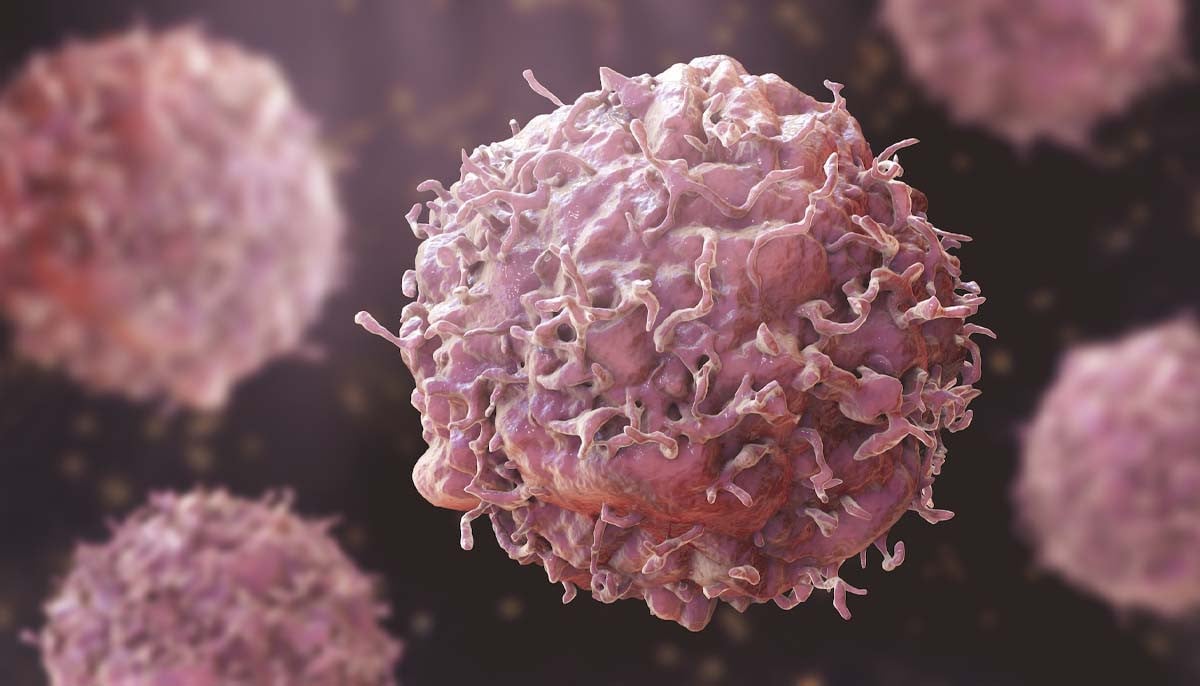
Scientists at Oregon State University have developed a new nanomaterial that triggers a pair of chemical reactions inside the cancer cells, killing them through oxidative stress while leaving healthy tissues alone.
The study was led by Oleh and Olena Taratula and Chao Wang of the OSU College of Pharmacy and was published this week in Advanced Functional Materials.
These findings could potentially and majorly advane the field of chemodynamic therapy or CDT, an emerging treatment approach based on the distinctive biochemical environment found in cancer cells.
“Compared to healthy tissues, malignant tumours are more acidic and have elevated concentrations of hydrogen peroxide,” the scientists explained.
So, conventional CDT works by using the tumour microenvironment to initiate the chemical production of hydroxyl radicals: molecules, made up oxygen and hydrogen, with an unpaired electron.
These reactive oxygen species have the ability to damage cells through oxidation by stealing electrons from molecules like lipids, proteins and DNA.
Recent chemodynamic therapy designs have been able to use tumour conditions to speed up production of another reactive oxygen species, singlet oxygen, so named because it has one electron spin state rather than the three states found in the stable oxygen molecules in the air.
“However, existing CDT agents are limited,” Oleh Taratula said.
“They efficiently generate either radical hydroxyls or singlet oxygen but not both, and they often lack sufficient catalytic activity to sustain robust reactive oxygen species production. Consequently, preclinical studies often only show partial tumour regression and not a durable therapeutic benefit,” the expert added.
He continued, “When we systemically administered our nanoagent in mice bearing human breast cancer cells, it efficiently accumulated in tumours, robustly generated reactive oxygen species and completely eradicated the cancer without adverse effects.”
“We saw total tumour regression and long-term prevention of recurrence, all without seeing any systemic toxicity,” Oleh Taratula concluded.
Before this treatment can be introduced for humans, the research team plans to evaluate its therapeutic efficiency in various cancer types, including aggressive pancreatic cancer, to demonstrate its broad applicability across different malignant cancers.



-
 New Amgen drug combination shows survival gains in lung cancer trial
 -
 World’s first AI-powered lab aims to prevent future pandemics
 -
 New personalized cancer vaccine cuts Melanoma recurrence risk by 42%, trial shows
 -
 Prime editing rewrites DNA inside human body for the first time
 -
 WHO investigates mystery Ebola case in Nigeria as outbreak spreads beyond DR Congo
 -
 Virginia Sen. Louise Lucas indicted on racketeering and marijuana charges
 -
 France confirms world's first human case of Shamonda virus; patient dies
 -
 OpenAI agents uncover brain disease leads: Here’s how