Scientists reveal shocking link between melatonin and depression
Melatonin is a hormone your body naturally produces to regulate your sleep cycle
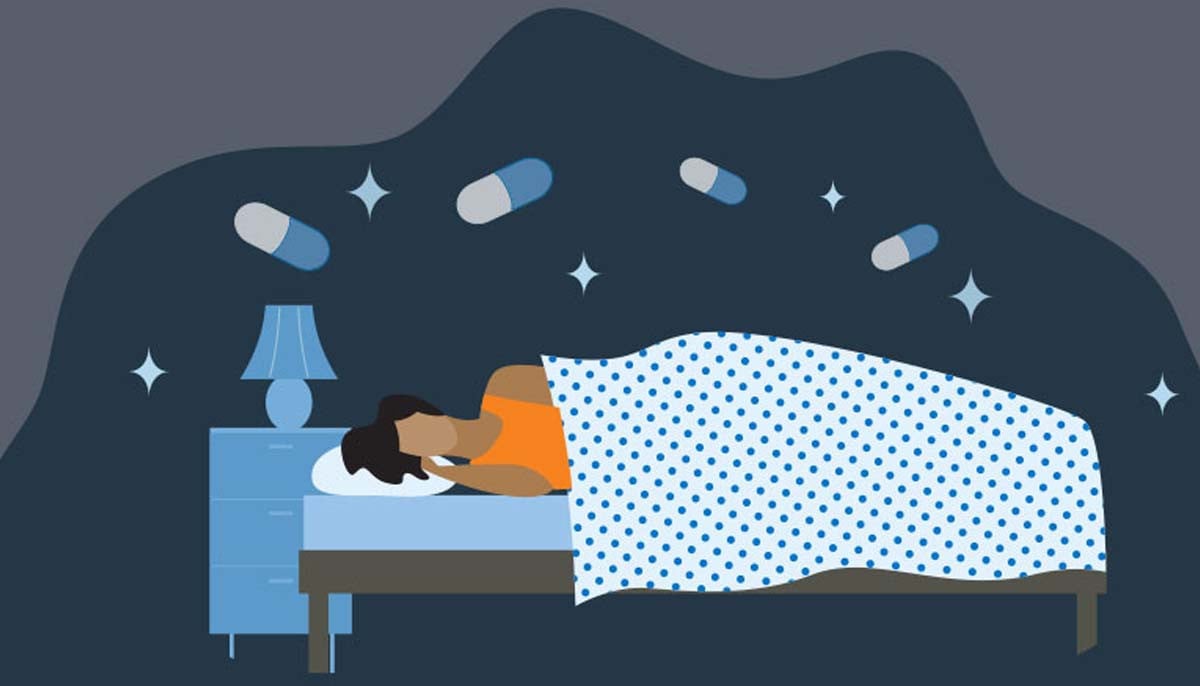
Melatonin is the famous hormone, that also comes in the form of supplements, to improve sleep. However, it has now been found that it does more than aid sleep.
In a recent study published in the Journal of Human Nutrition and Dietetics, researchers analyzed melatonin content in food items and its associations with several health outcomes such as depression and obesity.
Melatonin, found in animal- and plant-based foods, has been linked to benefits for sleep, mood, and metabolic health in experimental, observational, and supplementation studies.
Although melatonin concentrations are lower in foods compared to supplements, melatonin-rich diets can elevate circulating levels within physiological ranges.
Increasing melatonin intake through diet may provide physiological doses that more closely align with internal rhythms of your body in comparison to pharmacological supplementation.
Given how common problems like depression, obesity and sleep disorders have become, dietary melatonin has been examined as a potential marker of dietary patterns associated with these conditions.
Previous observational and experimental studies suggest that melatonin is protective against inflammatory, metabolic, and neurobehavioral outcomes.
In the present study, researchers analyzed melatonin concentrations in foods and their relationship with multiple health outcomes.
Participants were included from the Cohort of Universities of Minas Gerais (CUME+) study, an open, prospective cohort assessing the impact of dietary patterns and nutrition transition on noncommunicable diseases.
The baseline questionnaire was administered in two parts, one assessing sociodemographics, clinical history, lifestyle, anthropometrics, and morbidity.
In contrast, dietary melatonin intake was inversely associated with obesity and depression. Individuals with daily melatonin intake of 14,900 to 34,400 ng and 14,900 to 25,000 ng were less likely to have obesity and depression, respectively.
Dietary melatonin intake was inversely associated with depression and obesity in this population, while no significant associations were observed for other chronic conditions or sleep duration.







-
 Study reveals watermelon may boost heart health and diet quality
 -
 WHO declares Ebola outbreak emergency in DR Congo
 -
 Plastic surgeons see rise in AI-generated beauty requests
 -
 Vitamin B2 may help cancer cells survive, scientists reveals dark side
 -
 Ebola returns to DR Congo, Africa CDC confirms
 -
 Hantavirus outbreak: Could it be new pandemic threat like COVID? Experts weigh in
 -
 Meningitis leaves one dead, others critically ill; Know how it spreads
 -
 PCOS renamed PMOS: What new diagnosis means for millions of women’s health
-
 Endometriosis linked to small increase in birth defect risk in Canadian study
 -
Health Canada issues safety warning over baby self-feeding products sold on Amazon
-
Do psychopaths and others have same brain structure? Scientists reveal shocking details
-
Cruise ship Hantavirus outbreak leaves 3 dead, more infected