Smart sleep tracking: Do smartwatches and rings really track sleep accurately?
Trackers are gaining immense popularity, but it is pivotal to understand how their data is being used
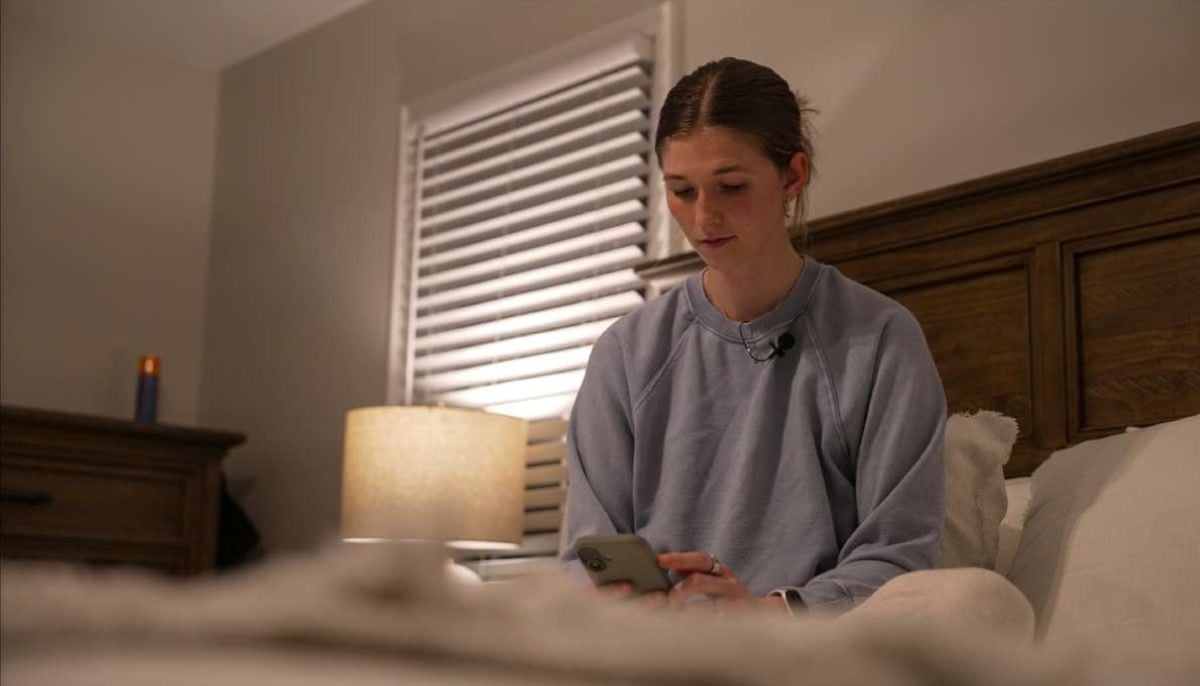
People have been more inclined to use trackers nowadays; however, it is crucial to assess the actual practicality of these devices.
Millions of people rely on phone applications and wearable devices such as smart rings and smartwatches to monitor their sleep; however, these trackers don’t necessarily measure sleep directly. Instead, they infer slumber from signals like heart rate and movements which has raised alarms about the exact reliability of this information.
Sleep tracking devices have become increasingly common. Whether it is an Apple Watch, a Fitbit, an Oura Ring or one of their countless rivals, most health trackers take the same basic approach: recording the weaver’s movement and heart rate. The algorithm used by the majority of brands has become highly accurate at determining when someone is asleep.
Dr. Chantale Branson, a neurologist and professor at the Morehouse School of Medicine, observes that patients frequently arrive with fitness tracker scores in hand.
She notes that they often scrutinize granular details such as the exact amount of Rapid Eye Movement (REM) sleep they received on a given night. According to Branson, while these states are interesting, users should be better served by focusing on “sleep hygiene’. This includes creating a relaxing bedtime routine, avoiding screens, and ensuring a comfortable sleep environment.
Why might your smartwatch be making your problems worse?
Sleep tracking has become a contentious issue as the effectiveness of these devices often aligns with researchers’ varied findings. For instance, Mai Barreneche, an advertising professional in New York City used to wear her Oura Ring constantly. She shared that the device helped her develop healthy sleep habits and encouraged her to maintain a consistent morning exercise routine.
In this regard she said, “I remember I would go to bed thinking about the score I was going to get in the morning.”
The crux of the research is that while these devices are intended to be helpful, they become counterproductive if they cause anxiety or worry. In such cases, it is best to consult a professional.
Diverse research into the future of wearables suggests these devices will soon be capable of detecting infections before symptoms appear, as well as flagging physiological changes that signal depression or an increased risk of relapse.
Nonetheless, this technology holds a significant promise for low-resource communities, where wearables could identify health issues immediately and remotely, bypassing the need for direct access to specialists.





-
 Gene mutation may affect how schizophrenia patients see reality
 -
 Is all chocolate healthy? Here’s what the science really says
 -
 What to know before using weight-loss drugs like Ozempic
 -
 Singapore confirms first local spread of mutated monkeypox clade Ib strain
 -
 World Autism Awareness Day: Celebrating different minds, shaping a shared future
 -
 Some grief never goes away—Scientists now know why
 -
 E-cigarettes: A proving quitting tool that still carries health risks
 -
 Eli Lilly expands $2.75B AI-enabled drug discovery deal with Insilico Medicine