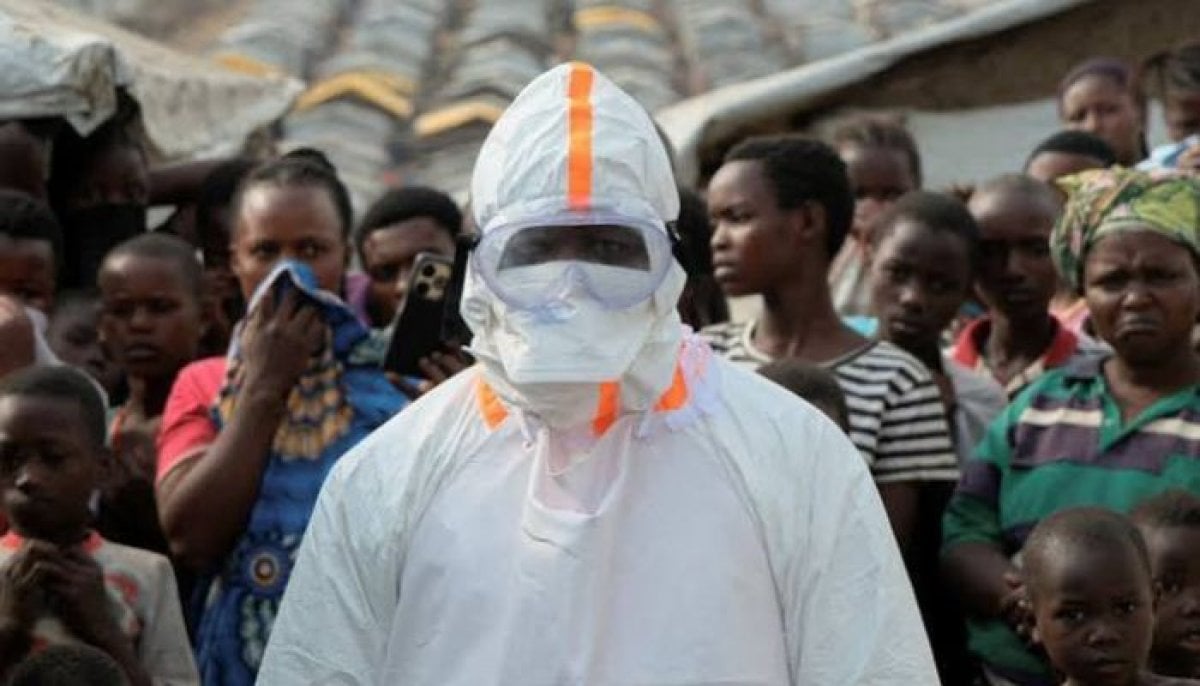
Deadly Nipah virus outbreak: How it spreads, and symptoms to watch out for
Nipah virus is considered a high-risk pathogen by the World Health Organization and has no approved vaccine or cure
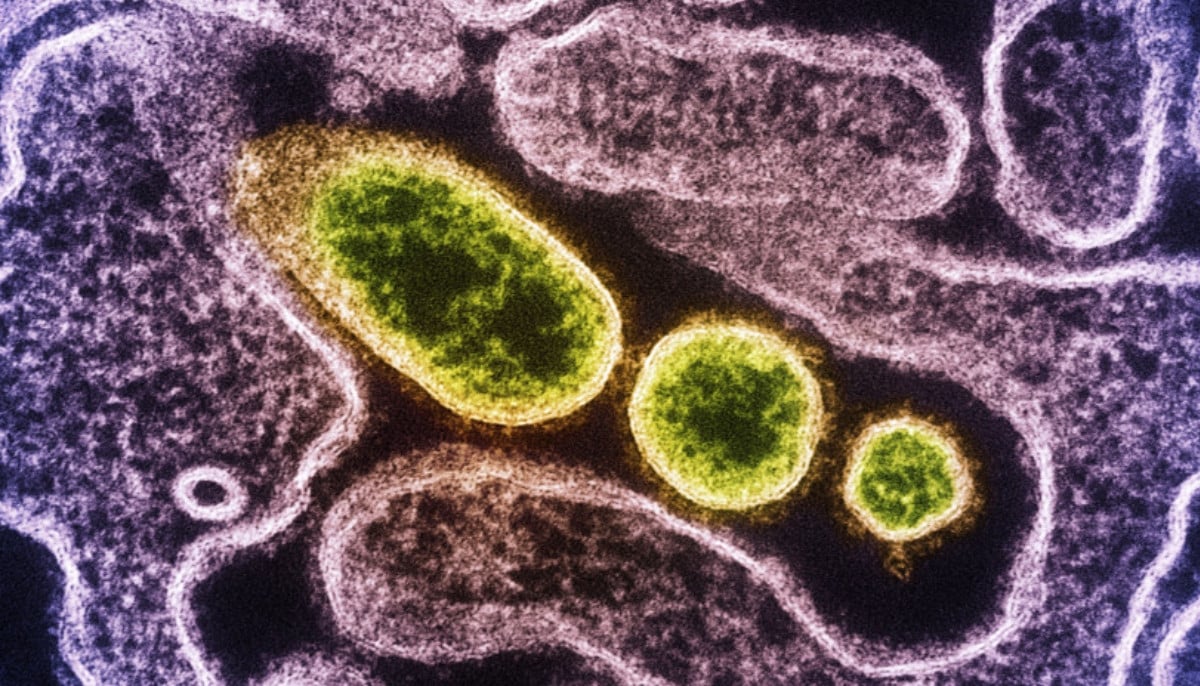
India is working to contain a nipah virus outbreak in the eastern state of West Bengal after five confirmed cases, including infections among doctors and nurses.
Local media report that nearly 100 people have been asked to quarantine at home, while patients are being treated in hospitals in and around Kolkata. At least one patient is in critical condition.
Nipah virus is considered a high-risk pathogen by the World Health Organization and has no approved vaccine or cure.
Human infections are rare but can be severe, often occurring after the virus spills over from fruit bats through contaminated food.
According to the US Centers for Disease Control and Prevention, the incubation period for Nipah virus infection typically ranges from four to 21 days, although longer delays have been reported during past outbreaks.
Early symptoms are often non-specific, which can make detection difficult. Patients usually develop a sudden flu-like illness that includes fever, headache, muscle pain and fatigue.
Some cases also involve respiratory symptoms such as cough, shortness of breath or pneumonia.
The most serious complication is inflammation of the brain, known as encephalitis.
Neurological symptoms such as confusion, seizures, altered consciousness or coma can appear days or weeks after the illness begins. Some patients may also develop meningitis.
Survivors may experience long-term neurological effects, and the UK Health Security Agency has reported that encephalitis can recur months or years later in rare cases.
The World Health Organization says Nipah virus spreads from animals to humans and between people through close contact with bodily fluids.


-
 WHO confirms death at Russian research lab, says no plague case registered
 -
 Getting a $90 check from Social Security? Here’s why
 -
 Measles cases in US top 4,000 nationwide, CDC reports
 -
 Sexually transmitted diarrhea spread in US, UK: Why antibiotics are failing against Shigella
 -
 Who is Song Li? China puts her forward for WHO leadership role
 -
 CDC monitors travelers from Siberia after plague worker’s death, director says
 -
 Russia pushes back on plague death reports, defends WHO notification
 -
 WHO deems Russia plague risk 'low' following lab technician’s fatal illness