Expert reveals if you really need your daily supplements
Nutritional supplements are common for many people but replacing a healthy diet with it may become a problem
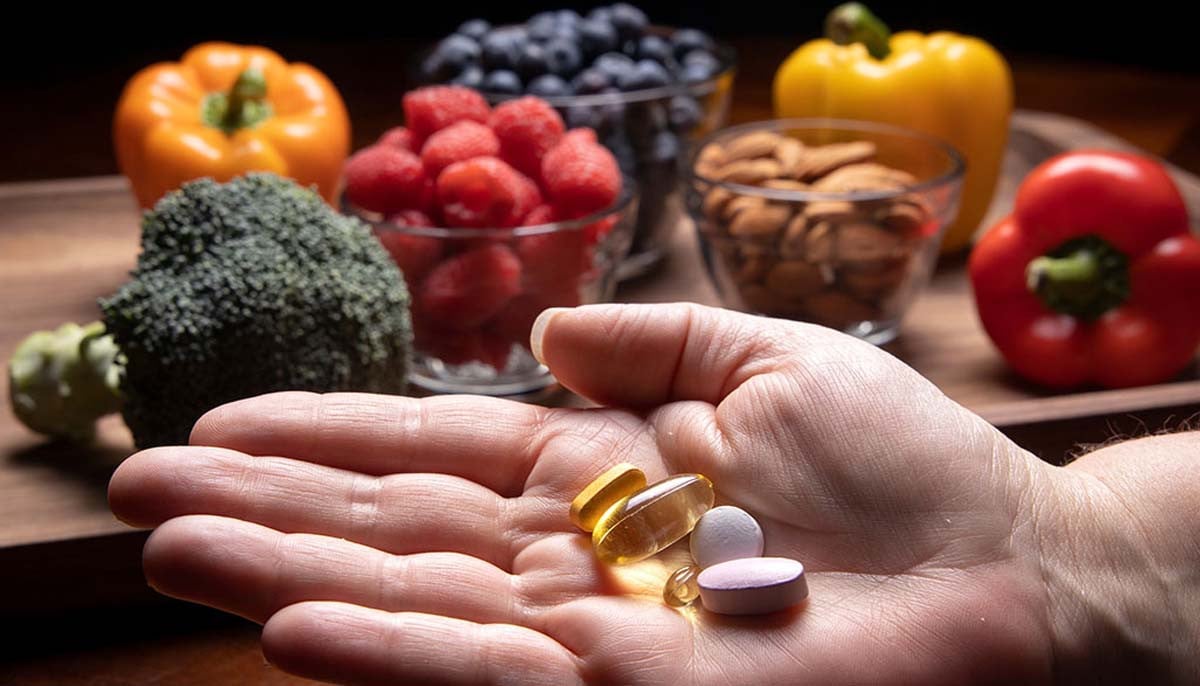
Many people all around the world take supplements to complete their nutritional requirements. However, are they actually beneficial?
Dr. Kathryn Basford from Asda Online Doctor has talked about whether widely-used supplements such as iron, vitamin B12, vitamin D and creatine actually work and whether it s worth including in your daily care regime.
She explained: "People often take dietary supplements alongside their regular food to fill nutritional gaps, boost immunity and support overall health. Over two-thirds of Britons say they use supplements to improve their health, but the evidence supporting their effectiveness is often mixed.”
"Supplements are not a suitable replacement for a healthy and balanced diet and the best way to meet your body's nutritional requirements is through eating plenty of fruits, vegetables, dairy, whole grains, lean proteins and healthy fats and limiting processed items,” Dr. Kathryn advised.
Vitamin B12
Dr. Kathryn explained: "Vitamin B12 is needed to produce red blood cells, release energy from food and to support a healthy nervous system. The body needs 1.5 micrograms of B12 per day.”
"Although most people who eat dairy, meat and/or fish can usually get all the B12 they need from their diet, people eating a plant-based diet may not be getting enough,” she said, adding, “Signs of a B12 deficiency include tiredness, pins and needles, mouth ulcers, muscle weakness, vision problems, and cognition changes like low mood or memory loss. If you notice any of these symptoms, contact your GP."
Iron
"Iron is also important for making red blood cells, which are needed for transporting oxygen around your body. A lack of iron can lead to anaemia, often causing tiredness, headaches, shortness of breath and heart palpitations,” the expert stated.
"Although men only need 8.7mg of iron a day, women need 14.8mg a day on average due to losing iron when they bleed during menstruation. Women with heavy periods are likely to lose even more iron and may benefit from iron supplements, but most people can get enough iron from the foods they eat,” Dr. Kathryn reassured.
She also warned, “If you do want to try iron supplements, make sure not to take more than the recommended daily dose, as this can cause constipation, nausea, vomiting, and stomach pain."
Vitamin D
Dr. Kathryn said: "Everyone in the UK can benefit from taking vitamin D during the darker months, as although you can get some vitamin D from what you eat, it's difficult to get enough through diet alone. Vitamin D is essential for keeping your bones healthy and strong, and is mostly produced by the skin when exposed to sunlight.”
"A lack of vitamin D can lead to tiredness, bone or muscle pain, and recurrent infections, amongst other things. Some people should take a daily vitamin D supplement all year round, this includes people who are housebound or in care homes or who do not go outside very often; people who wear clothing to cover their skin when outdoors; people with darker skin, as they do not produce as much vitamin D from sunlight; children from one to four years and infants under one who are breastfed or who have less than 500ml of formula a day (formula is fortified with vitamin D) and pregnant and breastfeeding women,” she recommended.
"If you do take vitamin D supplements, with 10 micrograms (400 IU) a day being enough for most people, do not take more than 100 micrograms (4,000 IU) a day as this could be harmful, unless you have been advised to do so by a doctor," Dr. Kathryn further explained.
Creatine
"Creatine is popular for enhancing exercise performance and reducing muscle fatigue. When taken in recommended amounts, it is generally considered safe for most healthy people, however when taken at higher than recommended doses, creatine may increase your risk of kidney damage,” she said of creatine supplements.
"If you're generally healthy and not training intensely, you likely don't need creatine, but athletes and healthy adults looking to maximise muscle growth may benefit,” Dr. Kathryn Basford concluded.



-
 Mariah Carey already has festive plans for her fans: ‘the wait is nearly over’
 -
 John Mellencamp, Creed make tough decision as they cancel shows due to ‘poor air quality’: ‘we’re sorry’
 -
 Kim Kardashian speaks out over posting vacation photos moments after her grandmother’s demise
 -
 Jesy Nelson suffers unbelievable pain as she raises twins with SMA: ‘can’t stop crying’
-
 Ebola spreading ‘like a wildfire’ in Democratic Republic of Congo, expert warns
 -
 CDC expands Cyclospora outbreak to nine states as cases continue to rise
 -
 UK heatwave safety: How to protect children and pets
 -
 Could weight-loss injections be increasing hair loss? Here’s what experts say
 -
 US announces $5 billion AI push to transform health, construction research
 -
 Study reveals how much coffee is safe for your heart
 -
 Doctors challenge the science behind the Pentagon’s plan for testosterone screening
 -
 Alaska cruise struck by third suspected norovirus outbreak in weeks
-
 Your menstruation tracker may be sharing more than you think: Hidden privacy risks
 -
Parasite behind ‘explosive diarrhea’ spread across 31 US states: What to know
-
Tick-borne anaplasmosis on the rise in Canada, CMAJ study warns
-
Heat warning in Ontario: here’s what you can do to stay safe during extreme heat waves