Negative thinking deemed as dementia trigger
Dementia is a mental disorder where your functions like memory, language, and reasoning, decline
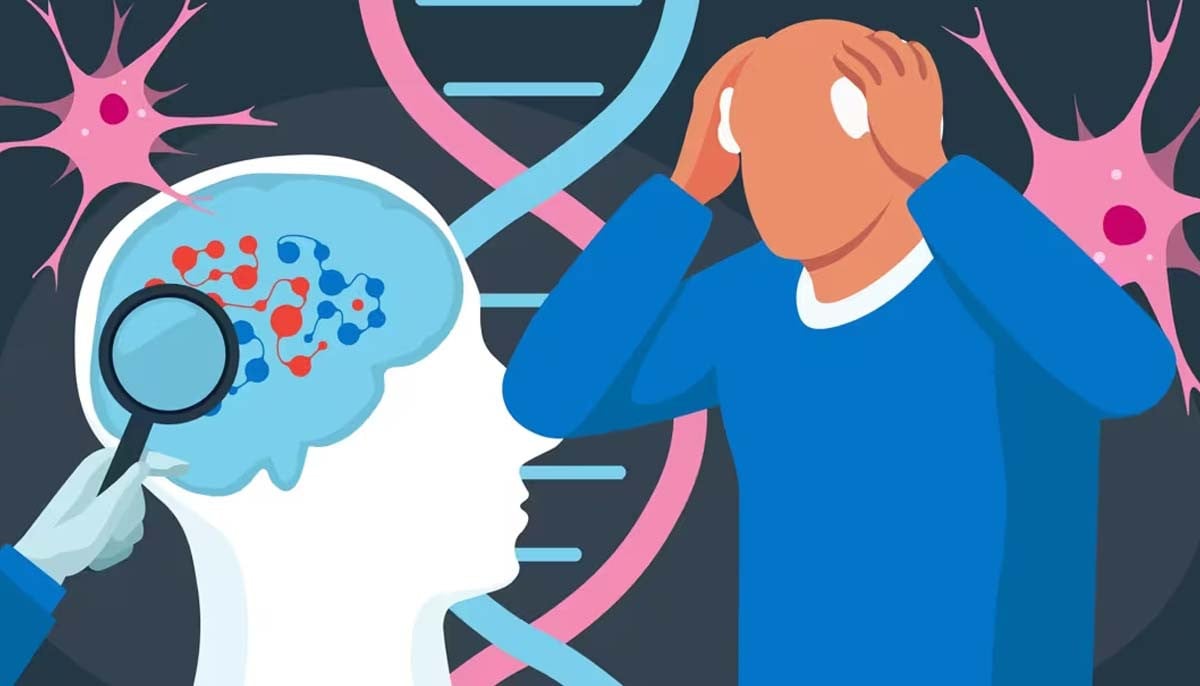
Dementia and disorders like depression and anxiety have long been intertwined.
Indeed, distinct screening tools have been developed to differentiate between depression and dementia because as Dean Burnett, a neuroscientist, wrote for BBC Science Focus, “being cognitively incapable of answering questions” and “being insufficiently motivated to answer” look the same on a test.
Whether it’s the knowledge or the symptoms of a dementia diagnosis, “prolonged low mood” is inevitable, but a recent study suggests that constant, repetitive patterns of negative thinking, deemed as a “fatalistic attitude,” could lead to earlier onset or amplified symptoms of dementia.
So, how can a negative mindset lead to actual physical harm to the brain?
Even though it’s by no means confirmed that a negative mindset causes harm to the brain, one possible mechanism is via the stress response, as per Dean.
“A typically functioning human brain produces an optimism bias in our thinking. We tend to assume we’re right about stuff, that fairness is paramount and that things will go our way,” he wrote.
This is the mindset that keeps us motivated to get through the day and not overthink everything. “It’s a psychological defence mechanism, of a sort,” Dean explains.
However, once that optimism and positive thinking is lost, like in depression, we experience negativity as well as stress.
And the chemical element of stress is known to cause biological stress to the brain, often resulting in the more familiar mental disorders.
If your brain was already physically compromised by any reason that causes dementia, then it wouldn’t be far-fetched to say that constant negative thinking could speed up the whole process.







-
 Global study reveals nearly 1.7 million deaths linked to second-hand smoke exposure in 2023
 -
 AI-designed drug also slowed biological aging, study finds
 -
 Always tired and foggy? This vitamin deficiency could be the clue
 -
 Is loneliness becoming the next global health crisis?
 -
 Ebola outbreak: Congo faces deadliest crisis with over 3,000 deaths
 -
 New report reveals, children as young as six going to A&E in mental health crisis
 -
 'Self-exercising' muscle implants developed by researchers offer workout benefits without movement
 -
 GLP-1 drugs cut US obesity from 39.9% to 36.4%
-
 New clinical trial highlights precision-dosing strategy for vitamin D deficiency management
 -
Cyclospora outbreak: USDA research projects shelved amid funding cuts and relocations
-
AI tool flags severe heart failure with 91% sensitivity
-
Xylitol sweetener may raise stroke and heart attack risks, study suggests