Popular weight-loss drugs could help treat addiction
Research suggests weight-loss drugs may do more than just regulate type 2 diabetes
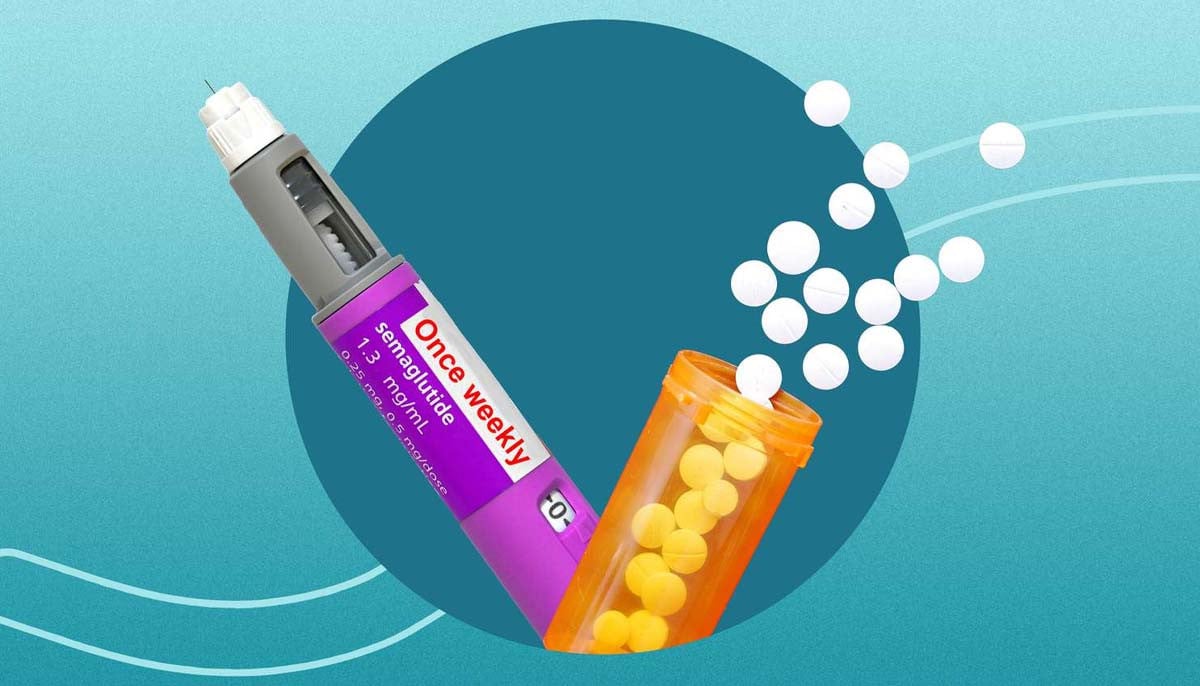
Did you know that weight-loss drugs might have the potential to heal the habit of substance abuse?
In a recent study published in the journal Frontiers in Pharmacology, researchers examined the potential role of glucagon-like peptide-1 (GLP-1) receptor agonists (RAs) in treating substance use disorders (SUDs).
SUDs are a public health concern and are characterized by limited therapeutic efficacy and high relapse rates.
GLP-1 RAs, initially developed for type 2 diabetes (T2D) and obesity, have emerged promising for treating addiction.
Beyond their appetite-suppressing and glucose-lowering effects, GLP-1 RAs induce neuroprotective and anti-inflammatory actions in the central nervous system and gut-related immune-inflammatory signaling via GLP-1 receptors.
In the present study, researchers systematically assessed the therapeutic potential of GLP-1 RAs in SUD treatment.
First, a detailed search was conducted across the Web of Science, Scopus, PubMed, Cochrane Central Register, Embase, and PsycINFO databases to identify randomized controlled trials (RCTs), preclinical studies, and clinical trials with control groups.
The search strategy yielded 2,869 records. Of these, 41 studies met the inclusion criteria through database searching, and one additional eligible clinical study was identified through manual reference tracking, for a total of 42 included studies.
Six were clinical studies, including pilot studies, secondary analyses, and RCTs, and the remaining were preclinical studies, mainly involving rodents.
Studies assessed a wide range of outcomes, comprising neurobiological, clinical, and behavioral domains. Neurobiological outcomes included changes in dopaminergic signaling, neuroinflammatory markers, circulating insulin and GLP-1 levels, and activation of reward-related brain regions.
The study provided a comprehensive overview of evidence on GLP-1 RA use in the treatment of substance use disorders. Preclinical studies consistently support the efficacy of GLP-1 RAs across multiple SUDs while clinical studies suggest potential benefits, particularly in nicotine and alcohol use disorders.



-
 New Chinese drug extends stroke treatment window from hours to 2 days: study finds
 -
 Trump’s FDA nominee Heidi Overton defends vaccines, contradicting his claims
 -
 New once-weekly insulin injection for type 2 diabetes wins FDA approval
 -
 Study identifies key cause of fatigue and brain fog
 -
 Apple’s screenless fitness tracker plans revealed: What to know
 -
 Rabies concerns grow in US, sparking health warnings over fatal virus
 -
 This popular cooking garnish may offer surprising benefits for brain health
 -
 Was the human brain once two separate organs? Scientists find new clues