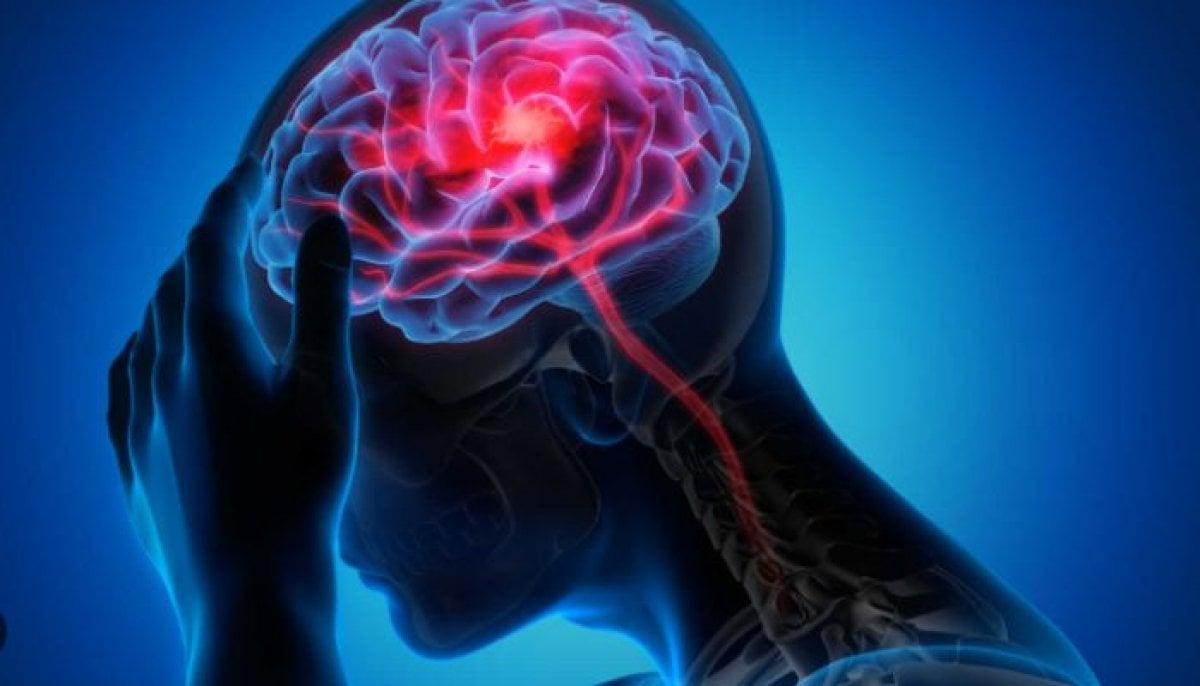
Stroke during pregnancy linked to long-term heart problems
A new study finds that pregnant women who get a stroke are likely to develop heart problems
Having an ischemic stroke during pregnancy or three months after pregnancy is associated with an increased risk of cardiovascular events like heart attack or second stroke, heart disease and depression later in life.
The new study was published on January 21, 2026, in Neurology, the medical journal of the American Academy of Neurology.
Ischemic stroke is the most common type of stroke and occurs when a clot or blockage reduces blood flow to the brain, depriving it of oxygen and nutrients.
The study also found that female participants who had a stroke during pregnancy or postpartum were less likely to be employed and more likely to be retired at the end of the study compared to those who did not have a stroke.
“Having a stroke during pregnancy or postpartum is rare but several studies have shown it is on the rise. Our study sought to better understand what happens to women after a stroke during pregnancy and postpartum and found an increased risk of cardiac diseases and depression, as well as lower odds of being employed later,” explained Anna Richardt, MD, study author from University of Helsinki.
For the study, researchers identified 97 female participants in Finnish health care registries who had an ischemic stroke during pregnancy or postpartum, up to three months after pregnancy and were matched to 280 female participants who did not have a stroke.
Researchers tracked the health of each person through registries and medical records for an average of 12 years, observing participants who later had cardiovascular events like heart attack, stroke and heart disease or depression.
Of participants with an initial stroke, 6% had a second stroke and 7% had a major cardiovascular event like heart attack compared to 0% of those who were stroke free at the start of the study.
Of participants with stroke, 19% had depression compared to 6% of those without stroke. After adjusting for age, those with stroke had nearly four times greater odds of having depression.
"Of those with stroke, 92% had good functional outcomes, meaning they had either completely recovered or could manage most daily activities by the end of the study," said Richardt, adding, "Still, more than one-third of those with stroke were out of work at the end of the study. Our findings highlight the need for adequate stroke prevention, monitoring and rehabilitation to improve the long-term health for those who have stroke during pregnancy."







-
 Ebola outbreak: Congo faces deadliest crisis with over 3,000 deaths
 -
 New report reveals, children as young as six going to A&E in mental health crisis
 -
 'Self-exercising' muscle implants developed by researchers offer workout benefits without movement
 -
 GLP-1 drugs cut US obesity from 39.9% to 36.4%
 -
 New clinical trial highlights precision-dosing strategy for vitamin D deficiency management
 -
 Cyclospora outbreak: USDA research projects shelved amid funding cuts and relocations
 -
 AI tool flags severe heart failure with 91% sensitivity
 -
 Xylitol sweetener may raise stroke and heart attack risks, study suggests