How your body 'suffers' in back pain and simple way to fix it
Expert reveals how common back pain is and how you can relieve it easily
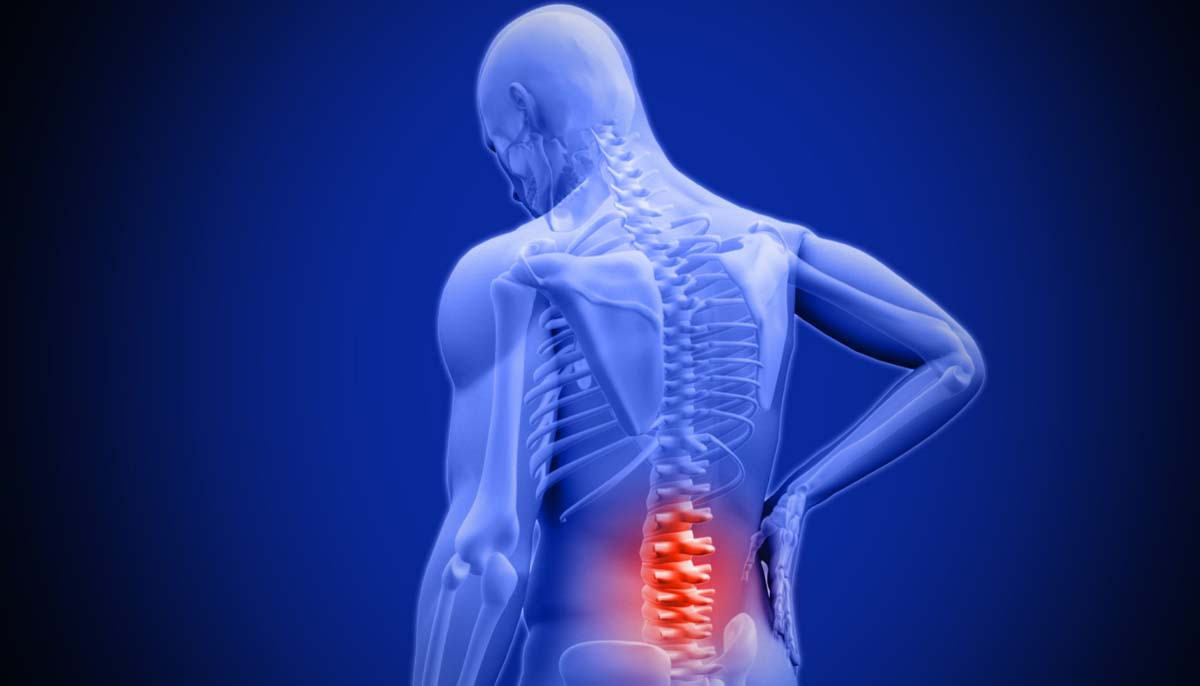
When it comes to back pain, we have to start with a statistic that is, at the very least being: 80% of adults having suffered, currently suffering, or will suffer from it at some stage in their lives.
However, according to physiotherapist and author Juanma Ortega - an expert in musculoskeletal health and non-surgical spinal injury recovery - many existing treatments merely address the symptoms while neglecting the root cause.
As a physio, he frees his patients from pain by targeting the specific source of their back issue, with the aim of finding a solution that ensures their discomfort never returns.
He expressed his views about back pain, saying, "In my view, based on the cases I see daily in the clinic, there are several key causes.”
“The first is that today's jobs are becoming increasingly specialised and repetitive; the body suffers when it spends hours performing the exact same movements,” the physio explained.
Ortega continued, “This inevitably overloads certain tissues while neglecting others, leading to muscular stiffness and, consequently, restricted joint mobility - which in some cases results in physical 'blockages.’”
"I also believe the social concept of playing sport 'to stay healthy' is somewhat misguided. For example, someone who spends eight hours in an office and plays, say, padel three times a week is often considered active and health-conscious. But, over time, this same person is highly likely to develop injuries,” he added.
Furthermore, he stated: "Playing sport is excellent, but it must be supported by at least three days of fundamental physical conditioning. This should focus on strength and muscular elasticity, specifically tailored to counteract any sedentary work postures and the physical demands of whichever active hobby they enjoy.”
"This is why statistics show that approximately 80% of the population will suffer from back pain or serious spinal injuries during their lifetime. If the figure is that high, it suggests that, as a society, we're clearly doing something wrong when it comes to physical self-care,” Juanma Ortega concluded.



-
 This popular cooking garnish may offer surprising benefits for brain health
 -
 Was the human brain once two separate organs? Scientists find new clues
 -
 Novo Nordisk partners with Anthropic to accelerate AI-powered drug discovery
 -
 Congo Ebola outbreak reaches turning point as daily infections fall
 -
 Study reveals why some babies are born with heart defects
 -
 Third measles-associated death reported as Pennsylvania outbreak reaches 676 cases
 -
 Cyclosporiasis outbreak: US officially ends largest outbreak linked to contaminated lettuce
 -
 Hot beverages increase risk of cancer? New research provides in-dept details
-
 Highest-level recall issued for potato chips over banned ingredient posing death risk
 -
Very hot tea and coffee could triple cancer risk, Oxford study warns
-
Global study reveals nearly 1.7 million deaths linked to second-hand smoke exposure in 2023
-
AI-designed drug also slowed biological aging, study finds