The way you consume sugar could be affecting your health
Find out when sugar becomes harmful for your body
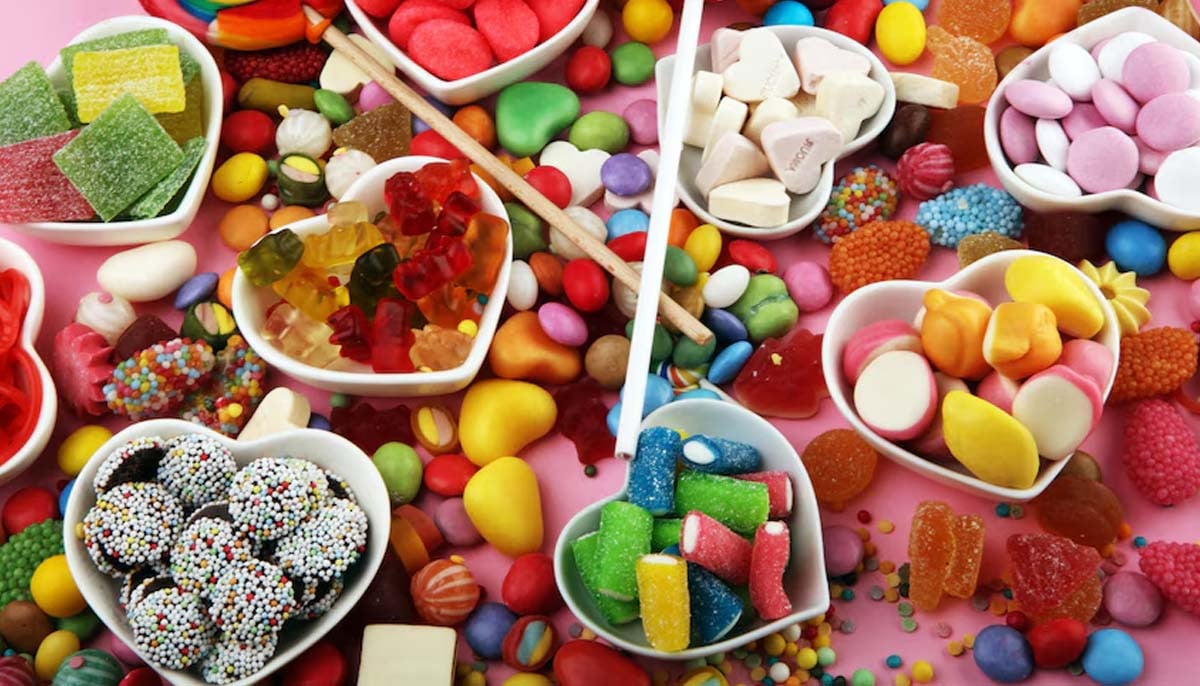
Good news for people with a sweet tooth! You can eat your sugary treats.
Turns out, when it comes to sugar and our health, how we consume it matters more than how much we consume overall.
Two recent studies suggest that drinking sugar in the form of soda, energy drinks, and even fruit juice, may be far worse for our health than eating it in the form of treats, like baked goods or dairy products.
Researchers were surprised on just how different the health effects were depending on whether sugar came from a glass or a plate. And even more unexpected: cutting out sweet treats altogether may not be the healthiest move either.
One large study from Brigham Young University, published in Advances in Nutrition, analyzed data from over half a million people across multiple continents to see how different sugar sources affected the risk of developing type 2 diabetes.
Overall, when sugar was consumed through beverages such as soda and fruit juice, the risk of developing type 2 diabetes was consistently higher than when it was consumed from other sources, according to a press statement.
“This is the first study to draw clear dose-response relationships between different sugar sources and type 2 diabetes risk,” said study lead author Karen Della Corte, BYU nutritional science professor, in the statement. “It highlights why drinking your sugar — whether from soda or juice — is more problematic for health than eating it.”
So why does sugar cause more harm when it’s consumed as a drink? Researchers think it comes down to how the body processes it. Sugary drinks and fruit juice deliver large amounts of isolated sugar all at once, causing sharp spikes in blood sugar that can overwhelm the liver, increase liver fat, and worsen insulin resistance.
Sugars eaten as part of whole foods, like fruit, dairy, or whole grains, are absorbed more slowly thanks to fiber, fats, and protein.
“Context also matters — treats are often enjoyed in social settings or special occasions, while sweetened beverages might be consumed more regularly,” said lead author Suzanne Janzi from the Department of Clinical Sciences Malmö in a press release.
Surprisingly, despite its vitamin-rich fruit, juice still falls into the same category as sodas because of its concentrated sugar content, making it a poor alternative to whole fruit.
Both Della Corte and Janzi argue that current dietary advice may need an update.
“Rather than condemning all added sugars, future dietary guidelines might consider the differential effects of sugar based on its source and form.” Della Corte said.







-
 Always tired and foggy? This vitamin deficiency could be the clue
 -
 Is loneliness becoming the next global health crisis?
 -
 Ebola outbreak: Congo faces deadliest crisis with over 3,000 deaths
 -
 New report reveals, children as young as six going to A&E in mental health crisis
 -
 'Self-exercising' muscle implants developed by researchers offer workout benefits without movement
 -
 GLP-1 drugs cut US obesity from 39.9% to 36.4%
 -
 New clinical trial highlights precision-dosing strategy for vitamin D deficiency management
 -
 Cyclospora outbreak: USDA research projects shelved amid funding cuts and relocations