Can Ibuprofen cut cancer risks? Study finds promising breakthrough
Ibuprofen is the widely used painkiller for muscle aches, headaches, and menstrual pain

Ibuprofen is one of the most widely used painkillers in the US, which is commonly taken for muscle aches, headaches, and menstrual pain.
The recent research study suggests that the pain reliever could also prove helpful in lowering certain cancer risks.
According to the PLCO study, ibuprofen may significantly lower the risks of endometrial and bowel cancer risks.
The data involving 42,000 women showed that those taking at least 30 ibuprofen tablets per month had a 25 percent lower risk of developing endometrial cancer compared to other users who use the painkiller occasionally.
Fighting inflammation-driven cancer
Having belonged to the non-steroidal anti-inflammatory drugs (NSAIDs) family, the link between the tablet and cancer prevention is familiar.
When it comes to lowering the risks of cancer, it works by inhibiting enzymes called cyclooxygenases (COX), specifically COX-2 which is responsible for inflammation and growth of cancerous cells.
Moreover, on a genetic level, Ibuprofen also works by suppressing specific genes like HIF-1α that help cancer cells survive in harsh conditions and resist chemotherapy.
Broader potential of Ibuprofen
The evidence also suggests the broad-spectrum benefit of ibuprofen in preventing the various kinds of cancers, including bowel, breast, lung, and prostate cancers. In the case of bowel cancer, it reduces recurrence rate.
Despite the promising results, the experts warn against self-medicating with ibuprofen for cancer prevention as it could cause stomach ulcers, kidney damage, gut bleeding, cardiovascular diseases, like strokes and heart attacks.
Therefore, comprehensive research is further needed to ascertain its potential benefits and leverage its use in the future.


-
 Who is Song Li? China puts her forward for WHO leadership role
 -
 CDC monitors travelers from Siberia after plague worker’s death, director says
 -
 Russia pushes back on plague death reports, defends WHO notification
 -
 WHO deems Russia plague risk 'low' following lab technician’s fatal illness
 -
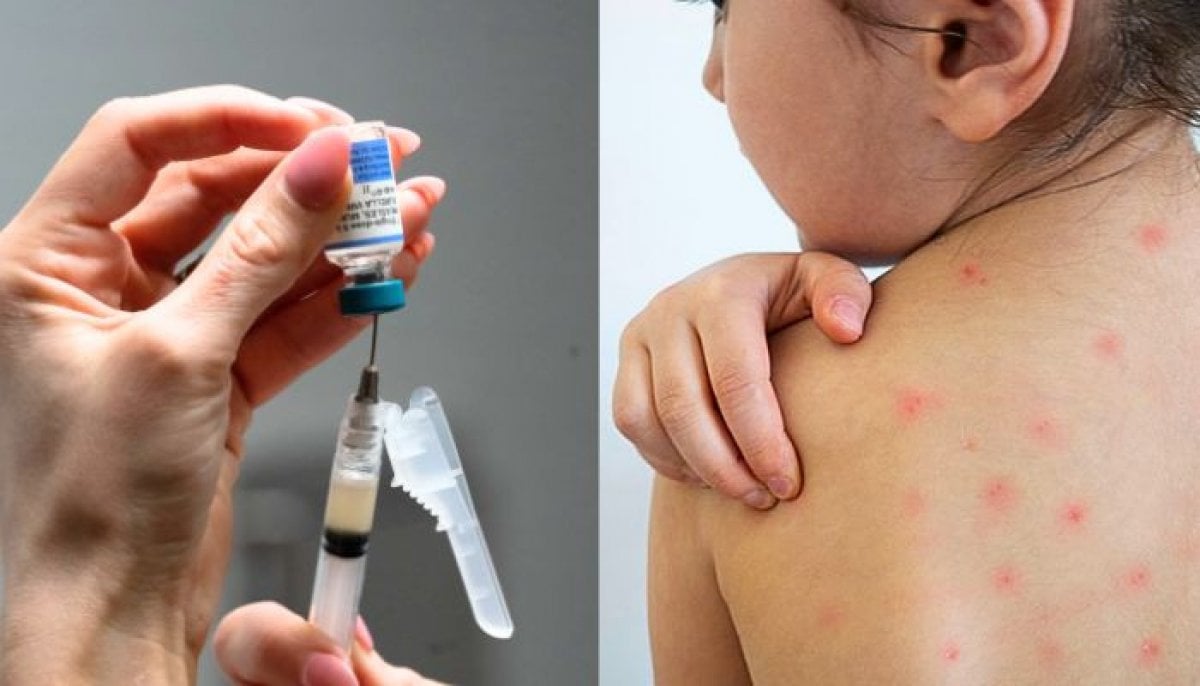 New York declares Measles state of emergency amid nationwide disease resurgence
 -
 First-of-its-kind treatment shrinks unborn baby’s tumour before birth
 -
 France steps up Ebola support in Congo as fears of resurgence grow
 -
 Vance’s fraud crackdown may raise health insurance costs for Americans
-
 One common mistake elevates blood pressure readings by 7 points, study warns
 -
Moderna loses US government license defense in patent case
-
Novo says new Ozempic shows lower cardiovascular risk compared with Lilly’s Mounjaro
-
University of Nottingham researchers say new gel could regrow tooth enamel in weeks