Air pollution may play a role in prostate cancer risk, experts warn
Prostate cancer may be triggered by such a simpler factor

Your environment may be one of the reasons prostate cancer may get triggered.
New research has revealed that men living in congested inner-city areas or close to main roads may be at increased risk of it.
Experts called for urgent action to tackle air pollution after evidence suggested traffic and industrial fumes may contribute to the onset of the disease, which kills 12,000 men in the UK each year.
The study, based on data from 220,000 men in Britain, found those exposed to higher levels of pollution were 6.9 per cent more likely to be later diagnosed with prostate cancer than those who were not.
Researchers believe the biggest culprit is nitrate, or NO3, which comes from car exhausts and while the precise mechanism is unclear, it is already known that nitrogen, a key component of NO3, can promote cancer cell growth.
The study is the latest to examine the possible links between air pollution and prostate cancer.
Most have looked at levels of tiny toxic particles known as PM2.5, which are much smaller than a human hair and can be inhaled deep into the lungs.
These particles come from vehicle exhausts, industrial and agricultural emissions, and burning domestic fuel inside homes.
But in the new study, scientists also looked at the effects of five of PM2.5’s main constituents, including NO3 using data from 224,000 men with an average age of 58, who were followed up for 13.7 years.
Of those, 5 percent were diagnosed with the disease and the researchers calculated how much pollution they had been exposed to based on their postcodes.
The results suggested pollution was associated with a small increase in risk, and that NO3 contributed the biggest effect.
Writing about their study in the Journal of Urology, the scientists from Peking University in China, said: “Our findings suggest that ‘where you live’ matters alongside ‘who you are’ (genetics) and ‘what you do’ (lifestyle).”
“Our results highlight the urgent need to target nitrate emission sources, specifically traffic and agriculture, to reduce the disease,” the experts concluded.



-
 Getting a $90 check from Social Security? Here’s why
 -
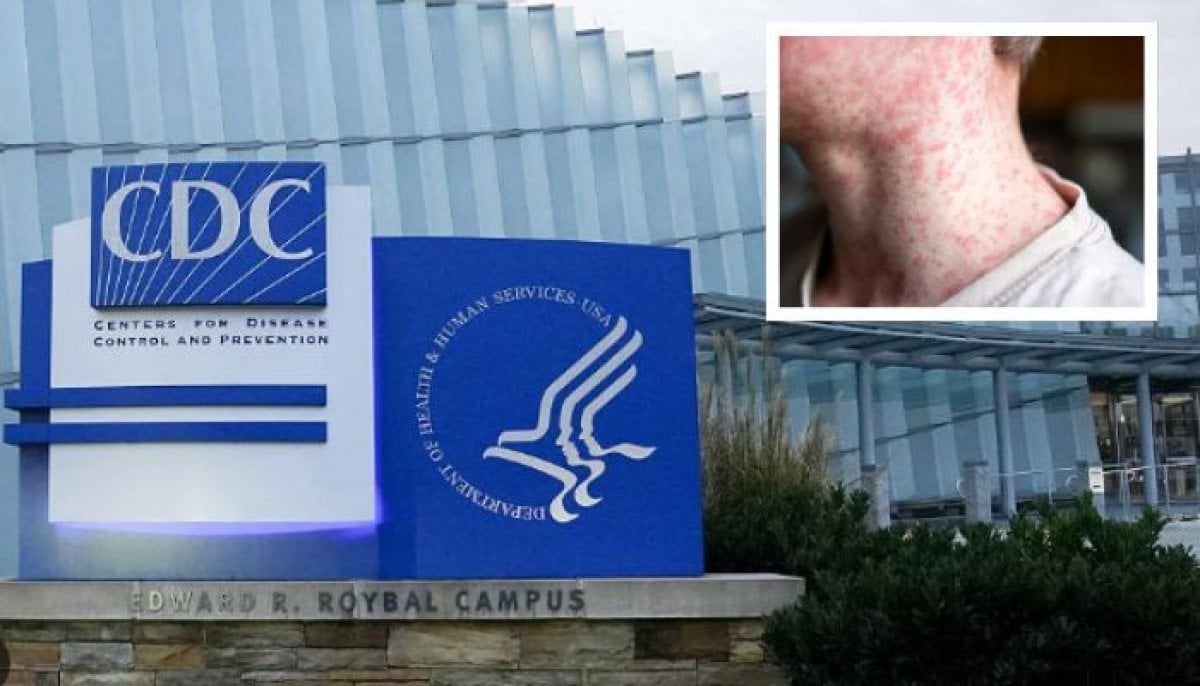 Measles cases in US top 4,000 nationwide, CDC reports
 -
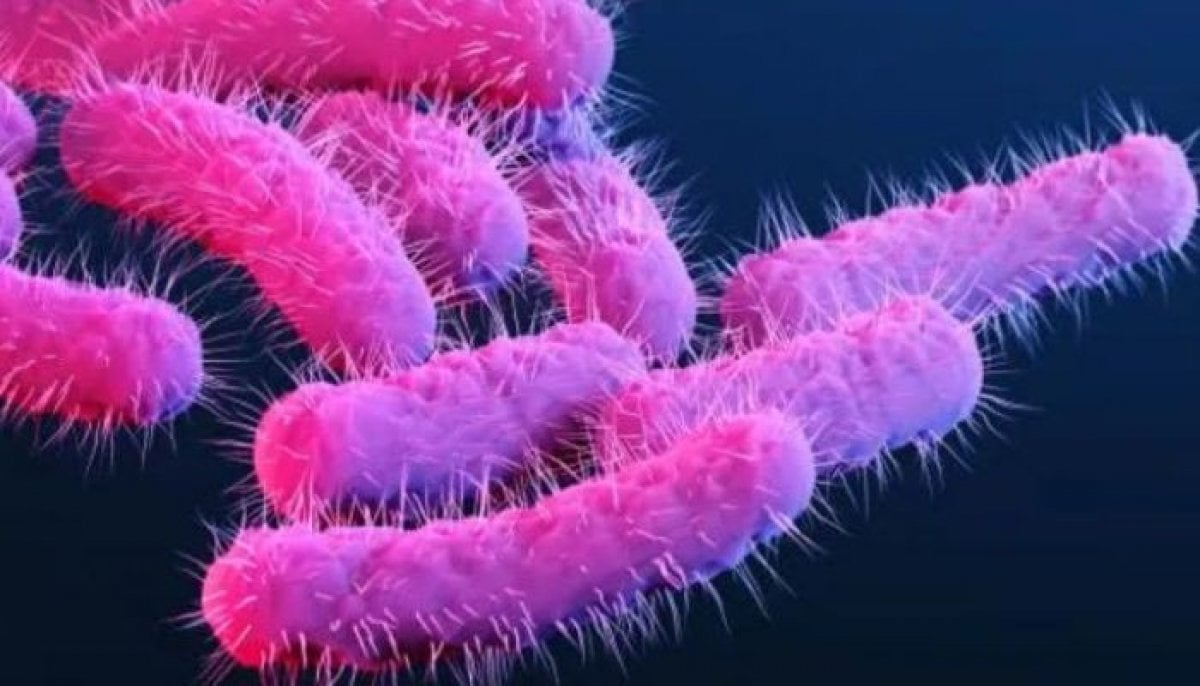 Sexually transmitted diarrhea spread in US, UK: Why antibiotics are failing against Shigella
 -
 Who is Song Li? China puts her forward for WHO leadership role
 -
 CDC monitors travelers from Siberia after plague worker’s death, director says
 -
 Russia pushes back on plague death reports, defends WHO notification
 -
 WHO deems Russia plague risk 'low' following lab technician’s fatal illness
 -
 New York declares Measles state of emergency amid nationwide disease resurgence