Find out how you can avoid diabetes at your home
Stay diabetes-free at the comfort of your home
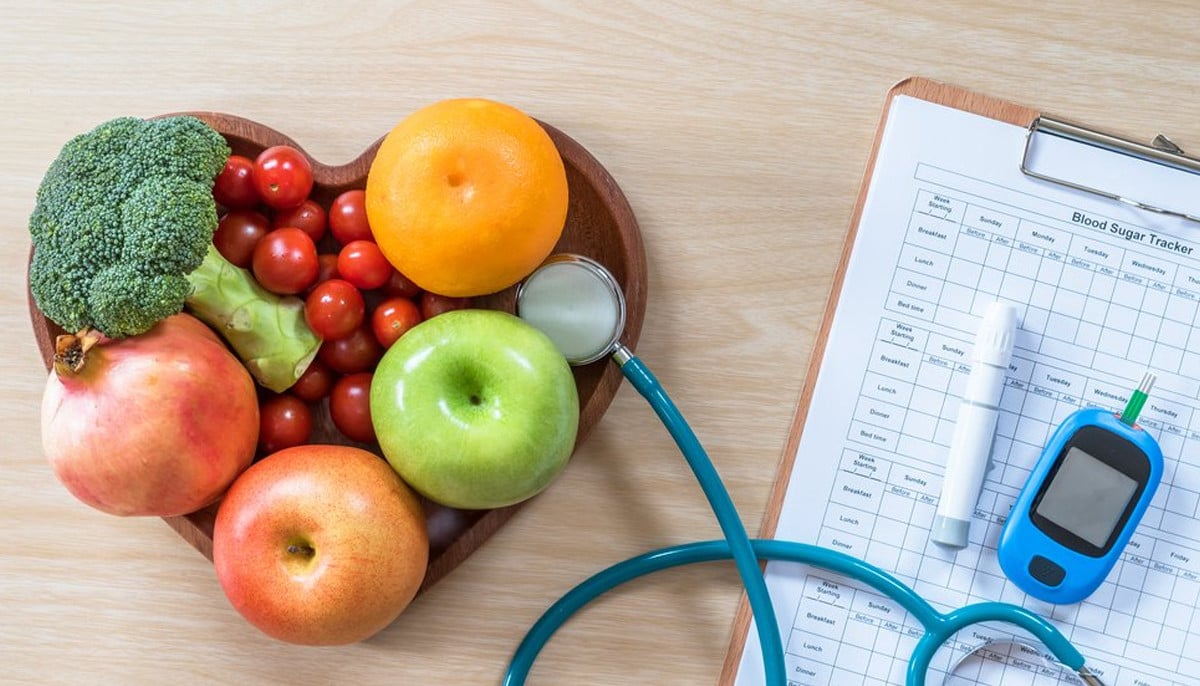
Did you know you can lower your risk of having diabetes quite easily?
A medical expert has recommended adopting a simple “12-hour” eating window that could boost your health.
The approach not only helps stop late-night snacking, a rather unhealthy practice, but it can also help burn fat, all while lowering the risk of diabetes.
Dr Rangan Chatterjee, an author and former NHS GP (general physician), shared this dietary strategy on Channel 4's Live Well with the Drug-Free Doctor.
The programme host explained that many of his patients seeking health improvements could benefit from "eating all the food that you are going to consume in any given day within a 12-hour time period."
The doctor explained: "Let’s say you finish consuming your final meal of the day at 7pm. For the next four hours, you are utilising the fuel that you just ate in that last meal, especially glucose.”
"After four hours, and while you are sleeping, your body runs on glycogen stored in your liver. But here’s the thing, once you get to about 10 hours or so after your last meal, those glycogen stores are pretty much depleted, and you’re likely to be burning fat,” Dr. Chatterjee further mentioned.
"Being able to switch up using these different energy sources is called metabolic flexibility - a key indicator in life expectancy. Studies show that time-restricted eating can help you burn fat and lose weight, improve your sleep, improve your digestion, improve immune system function and reduce your risk of getting diseases like type 2 diabetes,” he concluded.



-
 Rabies concerns grow in US, sparking health warnings over fatal virus
 -
 This popular cooking garnish may offer surprising benefits for brain health
 -
 Was the human brain once two separate organs? Scientists find new clues
 -
 Novo Nordisk partners with Anthropic to accelerate AI-powered drug discovery
 -
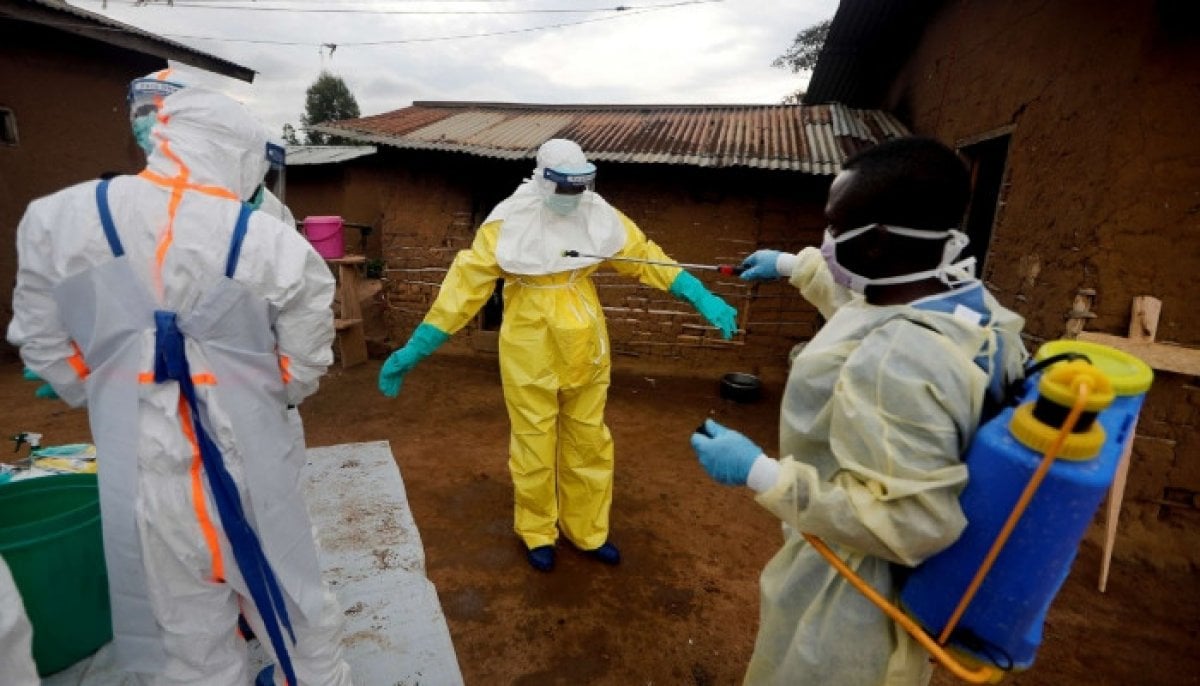 Congo Ebola outbreak reaches turning point as daily infections fall
 -
 Study reveals why some babies are born with heart defects
 -
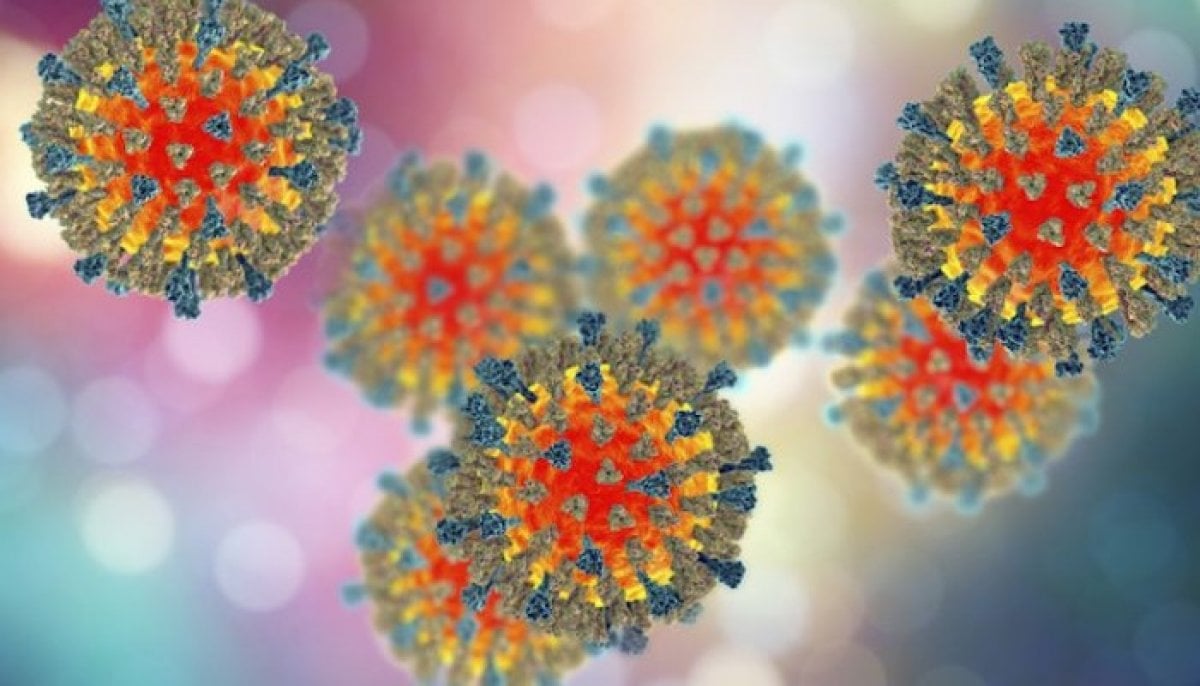 Third measles-associated death reported as Pennsylvania outbreak reaches 676 cases
 -
 Cyclosporiasis outbreak: US officially ends largest outbreak linked to contaminated lettuce
-
 Hot beverages increase risk of cancer? New research provides in-dept details
 -
Highest-level recall issued for potato chips over banned ingredient posing death risk
-
Very hot tea and coffee could triple cancer risk, Oxford study warns
-
Global study reveals nearly 1.7 million deaths linked to second-hand smoke exposure in 2023