Serious liver scarring shows potential to be reversed with latest drug
Liver fibrosis is a condition where scar tissue builds up in the liver
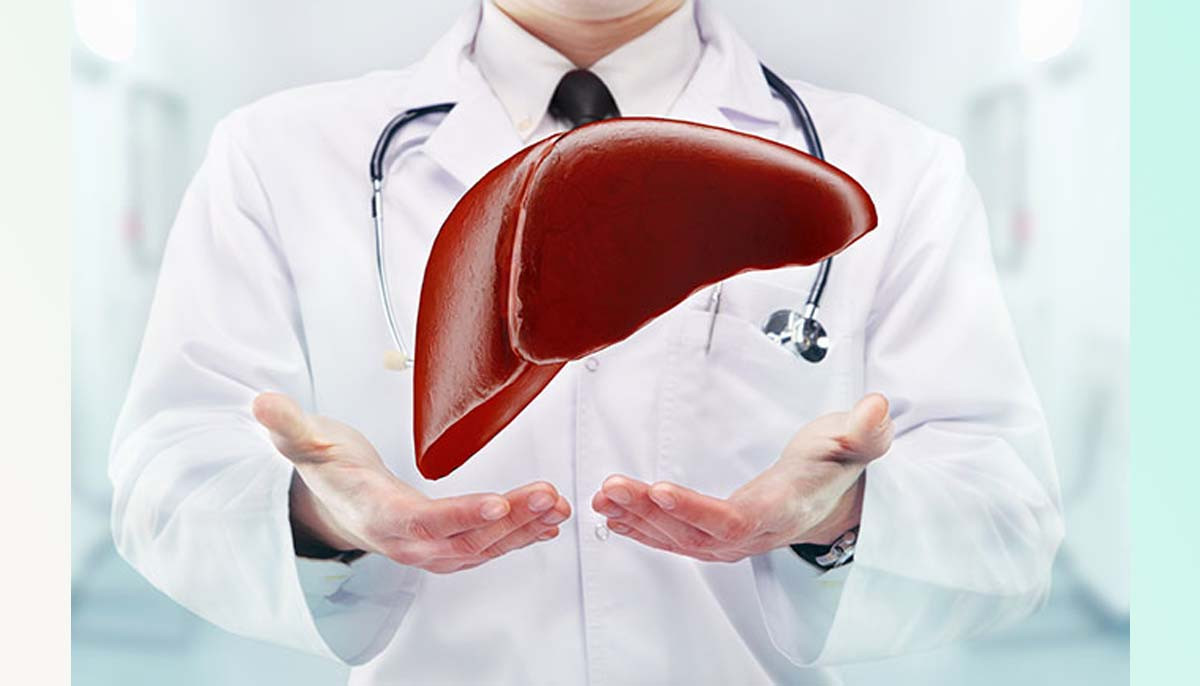
Liver fibrosis has shown potential to be reversed.
Liver fibrosis is a condition where scar tissue builds up in the liver due to disease and if left untreated, it can lead to liver failure or liver cancer.
However, researchers at McMaster University have shared exciting results from early studies on a new drug that could help treat and even reverse liver fibrosis.
The new research, published in the journal Cell Metabolism, offers new hope for the millions of people living with liver disease.
Liver fibrosis often happens in people who have a condition called MASH, which stands for metabolic dysfunction-associated steatohepatitis. This condition is common in people with obesity or type 2 diabetes.
Besides liver cancer, liver fibrosis can increase the risk of heart attack and stroke, and in many cases, people may eventually need a liver transplant.
Dr. Greg Steinberg, a professor at McMaster and the lead author of the study, says that while a healthy lifestyle may help slow the disease, it does not reverse the damage already done.
However, early lab studies suggest that the new drug candidate could do that. The drug was developed by Espervita Therapeutics, a company that Steinberg co-founded.
His research team, working with scientists from the US, France, and Australia, showed in lab tests that the new drug had powerful effects on the liver.
The drug, called EVT0185, is a small molecule compound that was first explored as a possible treatment for liver cancer. In earlier studies, it was shown to help stop tumor growth.
But now, researchers are seeing that it may also help treat MASH and reverse the scarring caused by liver fibrosis.
Instead of letting harmful fats build up in the liver and bloodstream, it helps the body get rid of them through urine. This process can help stop further damage to the liver and may even allow it to heal.
According to Dr. Steinberg, this drug could fill a big gap in current treatments for liver disease. Most treatments today don’t help everyone and don’t reverse the damage already done.
While these early results are promising, the drug is still in the testing stage and researchers hope to begin human clinical trials by 2027, after more safety and preclinical studies are completed.
If successful, this drug could transform the way how doctors treat serious liver disease and improve the lives of millions of people around the world.



-
 Getting a $90 check from Social Security? Here’s why
 -
 Measles cases in US top 4,000 nationwide, CDC reports
 -
 Sexually transmitted diarrhea spread in US, UK: Why antibiotics are failing against Shigella
 -
 Who is Song Li? China puts her forward for WHO leadership role
 -
 CDC monitors travelers from Siberia after plague worker’s death, director says
 -
 Russia pushes back on plague death reports, defends WHO notification
 -
 WHO deems Russia plague risk 'low' following lab technician’s fatal illness
 -
 New York declares Measles state of emergency amid nationwide disease resurgence