Newborns at risk: Health experts warn your baby could already have diabetes
Study reveals the real cause of diabetes, early signs, and symptoms in newborns
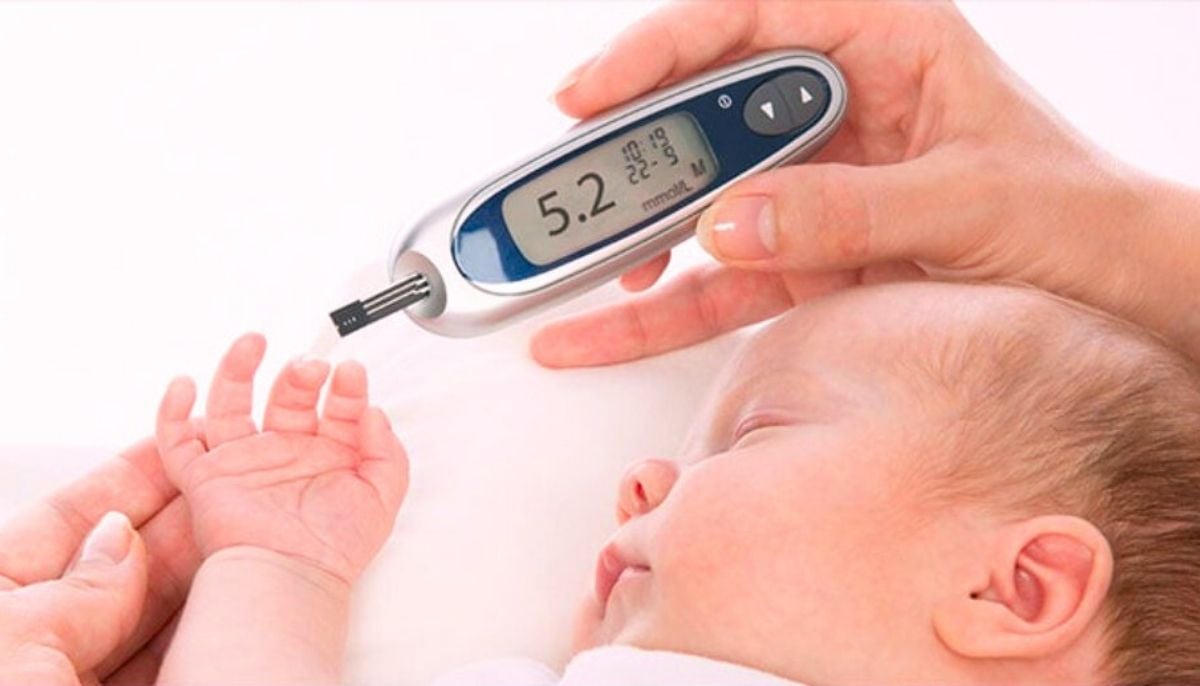
We always relate diabetes to aged people or obese individuals, while scientists have discovered some shocking facts about newborns.
Scientists warn that newborn babies can already have diabetes, which can harmfully put your baby’s health at risk.
They revealed some infants develop diabetes within the first six months of life, challenging parents and caregivers.
Researchers from the University of Exeter, along with other international partners, have discovered a rare ‘new type of diabetes’ that affects babies in early life.
The study unveils that this health condition is caused by changes in a single gene that prevent insulin-producing cells from working properly.
The latest findings pointed out that a newly identified genetic disorder is causing diabetes in some newborns by disrupting the cells that make insulin.
The research team determined that mutations in a gene called TMEM167A responsible for this rare type of monogenic diabetes called as ‘Neonatal Diabetes Monogenic NDM.’
In more than 85 percent of such cases, the condition is caused by inherited changes in DNA.
Dr. Elisa de Franco from the University of Exeter explained, "Finding the DNA changes that cause diabetes in babies gives us a unique way to find the genes that play key roles in making and secreting insulin."
How diabetes is affecting newborns:
The new scientific research also links diabetes with brain-related conditions, offering new clues about how the disease begins.
Researchers informed that when the insulin cells fail, blood sugar rises and diabetes develops, often alongside neurological problems.
The team of researchers examined six children who not only had diabetes, but also showed neurological conditions, such as 'epilepsy and microcephaly.'
The results underlined a single genetic cause behind both the metabolic and neurological symptoms.
The team found that all six children shared mutations in the same gene.
To better understand how this gene affects the body, scientists used stem cells that were transformed into pancreatic beta cells, the cells responsible for making insulin.
They also applied gene-editing techniques to alter the responsible gene.The experiments showed that when this specific gene is damaged, insulin-producing cells lose their ability to function normally.
As stress builds inside the cells, they activate internal stress responses that ultimately lead to cell death.
Researchers say the latest finding could also help studying of more common forms of diabetes, a condition that currently affects nearly 589 million people worldwide.
The new insights could help clarify the biological steps involved in insulin production and cell survival.
This study was supported by Diabetes UK, the European Foundation for Studying Diabetes, and the Exeter Biomedical Research Centre.
The research paper, titled 'Recessive TMEM167A variants cause neonatal diabetes, microcephaly, and epilepsy syndrome,' was first published in The Journal of Clinical Investigation.
Additionally, the research suggests that parents should get their newborns checked by conducting all necessary tests to monitor and control diabetes or prediabetes at an early stage.
Early signs and symptoms of diabetes in newborns:
• Poor weight gain or failure to thrive
• Frequent urination
• Increased thirst and dehydration
• Elevated blood sugar levels—found in blood or urine tests
• In severe cases, the life-threatening condition can also be marked by high levels of ketones in blood.
For proper diagnosis, doctors suggest neonatal diabetes can be evaluated by a series of tests, including blood glucose testing, antibody testing, and genetic testing.


-
 Virginia Sen. Louise Lucas indicted on racketeering and marijuana charges
 -
 France confirms world's first human case of Shamonda virus; patient dies
 -
 OpenAI agents uncover brain disease leads: Here’s how
 -
 AI tool can now predict cancer survival by a single patient selfie: Find out how
 -
 Scientists identify a new type of depression affecting 1 in 4 patients
 -
 Everything to know about US FDA’s new guidance on apps used with prescription drugs
 -
 ‘Immortal’ jellyfish could hold clues to slowing human ageing
 -
 Ebola crisis worsens in DR Congo as virus reaches eighth province with over 4,500 dead
-
 Study finds eating blueberries every day can surprisingly boost your mood
 -
Eli Lilly’s Foundayo weight-loss pill gets European approval recommendation
-
What is BPC-157? Trump administration considers easing rules on popular peptide injections
-
West Nile virus: Europe reports 141 deaths as human cases rise in 2026