Cold weather may worsen urinary problems, physicians warn
Health experts have given out tips on how to prevent winter-triggered health risks
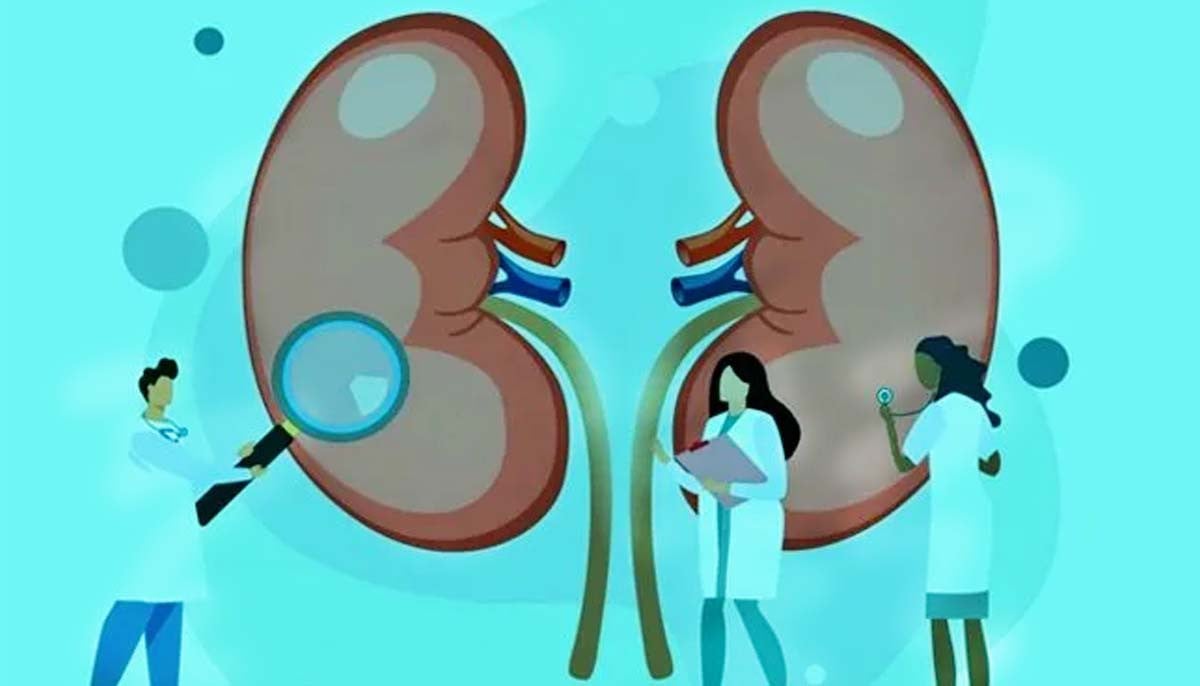
Winter has officially begun and its quite necessary to keep warm now.
Physicians have shared health risks that are triggered by lower temperatures and the protective measures public could take.
One Peace of Mind Urology Clinic Director Lu Chin-heng on Facebook wrote that urinary issues, such as frequent urination, nocturia (waking up during the night to urinate) or urinary retention due to benign prostatic hyperplasia (BPH), increase during cold days.
Low temperatures trigger “cold-induced diuresis,” increasing the frequency of urination, he said.
Lu advised people not to reduce their water intake, and instead avoid consuming excessive caffeinated drinks in the evening, and keep their abdomen and lower body warm, adding that those with BPH or existing urinary issues should seek medical treatment.
When cold receptors are activated, muscles around the bladder contract, he explained, suggesting that people wear thermal pants or waist warmers, avoid sitting on cold seats for long periods and urinate more frequently.
There is also an increased risk of urinary tract infection, as people tend to hold in their urine or drink less water on cold days, which could lead to an infection, Lu said.
“Do not hold in urine, maintain consistent water intake and see a doctor immediately if you experience pain or a burning sensation during urination,” he advised.
Lu further mentioned: “Low temperatures also reduce the flow of synovial fluid, decreasing joint mobility, which could lead to joint stiffness and increased pain.”
He suggested that people warm up their body before moving after they wake up, keep their joints warm, and avoid sudden or strenuous exercise.
Additionally, Lu revealed the reason for feeling low during winters, saying, “People could also experience seasonal depression, as less sunlight would affect serotonin and melatonin secretion, so they should get more sunlight during the day, maintain social interactions and regular activities, and seek professional help if they are the feeling persists for more than two weeks.”
“Staying warm, drinking sufficient water, not holding in urine and moving slowly are important health guidelines for cold days,” the health expert suggested for keeping health risk triggered by winter, at bay.



-
 Vance’s fraud crackdown may raise health insurance costs for Americans
 -
 One common mistake elevates blood pressure readings by 7 points, study warns
 -
 Moderna loses US government license defense in patent case
 -
 Novo says new Ozempic shows lower cardiovascular risk compared with Lilly’s Mounjaro
 -
 University of Nottingham researchers say new gel could regrow tooth enamel in weeks
 -
 New Chinese drug extends stroke treatment window from hours to 2 days: study finds
 -
 Trump’s FDA nominee Heidi Overton defends vaccines, contradicting his claims
 -
 New once-weekly insulin injection for type 2 diabetes wins FDA approval