Kidney damage is now reversible: here's where science stands
A new research has revealed how acute kidney damage can be reversed
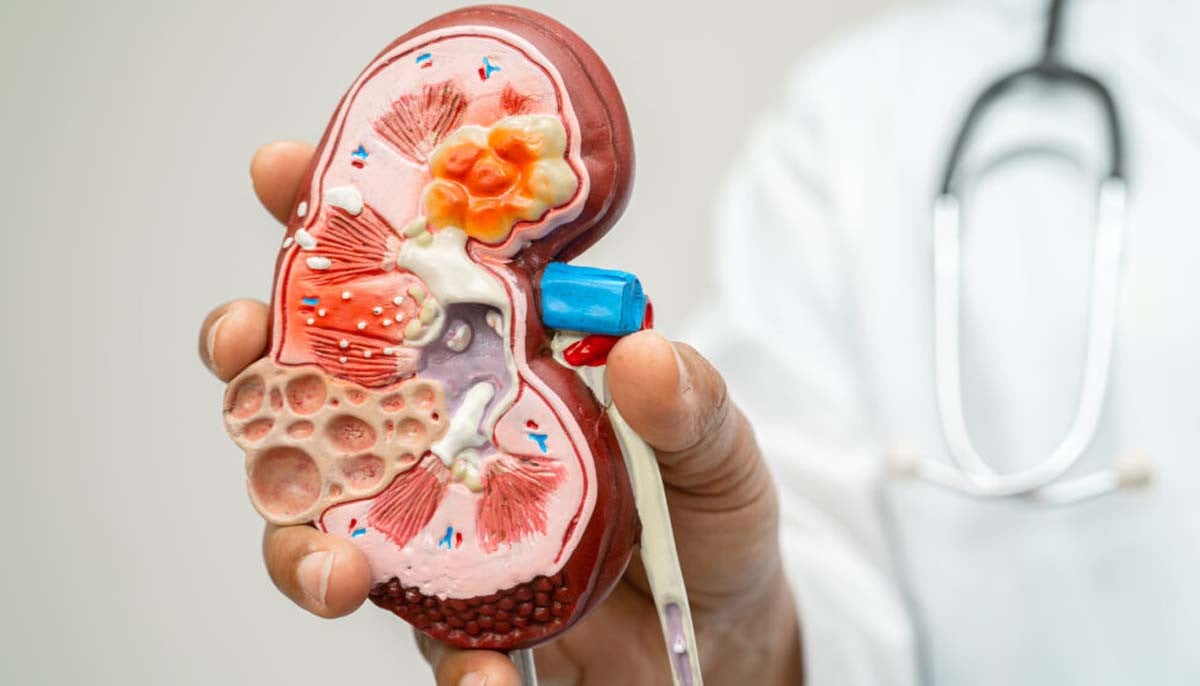
Acute kidney injury, or AKI, is a dangerous condition that affects many people in hospitals, especially those in intensive care or recovering from serious medical events like heart surgery or infections.
AKI can lead to long-term kidney damage and can also increase the risk of chronic kidney disease. Right now, there are no approved drugs to treat it.
Researchers at University of Utah Health have found a promising way to prevent AKI using a compound that targets a group of fatty molecules known as ceramides.
These molecules were shown to harm the kidney’s energy-producing structures, the mitochondria. When the researchers blocked ceramides, they completely prevented kidney injury in mice.
Dr. Scott Summers, senior author of the study and Chair of the Department of Nutrition and Integrative Physiology at the University of Utah, was surprised by the results. “We completely reversed the pathology of acute kidney injury by inactivating ceramides,” he said. “Not only did kidney function stay normal, but the mitochondria were unscathed.”
The research was published in the journal Cell Metabolism.
The study builds on earlier work from Dr. Summers’ lab, which showed that ceramides can damage other organs like the heart and liver.
When the team examined ceramide levels after kidney injury, they found that the levels shot up quickly in both mice and human urine samples.
The more severe the injury, the higher the ceramide levels. This means ceramides could also serve as an early warning sign or biomarker for AKI, helping doctors identify at-risk patients before symptoms appear.



-
 919 people dead, 4,800 missing as flash floods continue to affect Nepal-China border
 -
 Chappell Roan thanks Olivia Rodrigo in sweet letter post Daisy Chain Fields show
 -
 Fontaines D.C. confirm Slane Castle headline show
 -
 Jenna Ortega reveals she was initially clueless about upcoming movie: ‘you can assume and guess’
-
 'Self-exercising' muscle implants developed by researchers offer workout benefits without movement
 -
 GLP-1 drugs cut US obesity from 39.9% to 36.4%
 -
 New clinical trial highlights precision-dosing strategy for vitamin D deficiency management
 -
 Cyclospora outbreak: USDA research projects shelved amid funding cuts and relocations
 -
 AI tool flags severe heart failure with 91% sensitivity
 -
 Xylitol sweetener may raise stroke and heart attack risks, study suggests
 -
 US FDA approves Mounjaro to reduce cardiovascular risk
 -
 New discovery reveals how the brain could turn off chronic pain