Amanda Seyfried reveals how she manages 'really extreme' OCD
OCD is an anxiety disorder in which the person experiences obsessive thoughts and then exhibit compulsive behaviors to rid themselves of the thoughts

Amanda Seyfried just got candid about her current experience with obsessive-compulsive disorder (OCD), decades after first receiving her diagnosis.
The 40-year-old Hollywood star said she was diagnosed with “really extreme” OCD when she was 19 years old.
In an interview with Vogue, the Mamma Mia! star reflected on navigating her diagnosis as a young actor and how she’s managing today.
“I was living in Marina del Rey at the time, shooting Big Love, and my mom had to take a sabbatical from work in Pennsylvania to live with me for a month,” she said, remembering one of her early experiences with OCD. “I got my brain scans, and that’s when I got on medication — which to this day, I’m on every night.”
As a younger actor, she explained how she distanced herself from any of her triggers, like “drinking too much alcohol, doing any drugs at all, or staying out too late.”
“I would make plans and then just not go,” she recalled, adding, “I guess I did make choices. I didn’t enter that realm of nightclubs. I gotta give credit to my OCD.”
The Mean Girls actress previously revealed in a 2016 interview with Allure that she takes Lexapro for her OCD, saying at the time that she had no plans to stop taking the medication.
“I’ve been on it since I was 19, so 11 years. I’m on the lowest dose. I don’t see the point of getting off of it,” she told the outlet.
“Whether it’s placebo or not, I don’t want to risk it. And what are you fighting against? Just the stigma of using a tool?” she inquired.
“A mental illness is a thing that people cast in a different category [from other illnesses], but I don’t think it is. It should be taken as seriously as anything else. You don’t see the mental illness: It’s not a mass; it’s not a cyst. But it’s there. Why do you need to prove it? If you can treat it, you treat it,” Amanda Seyfried concluded.



-
 Rabies concerns grow in US, sparking health warnings over fatal virus
 -
 This popular cooking garnish may offer surprising benefits for brain health
 -
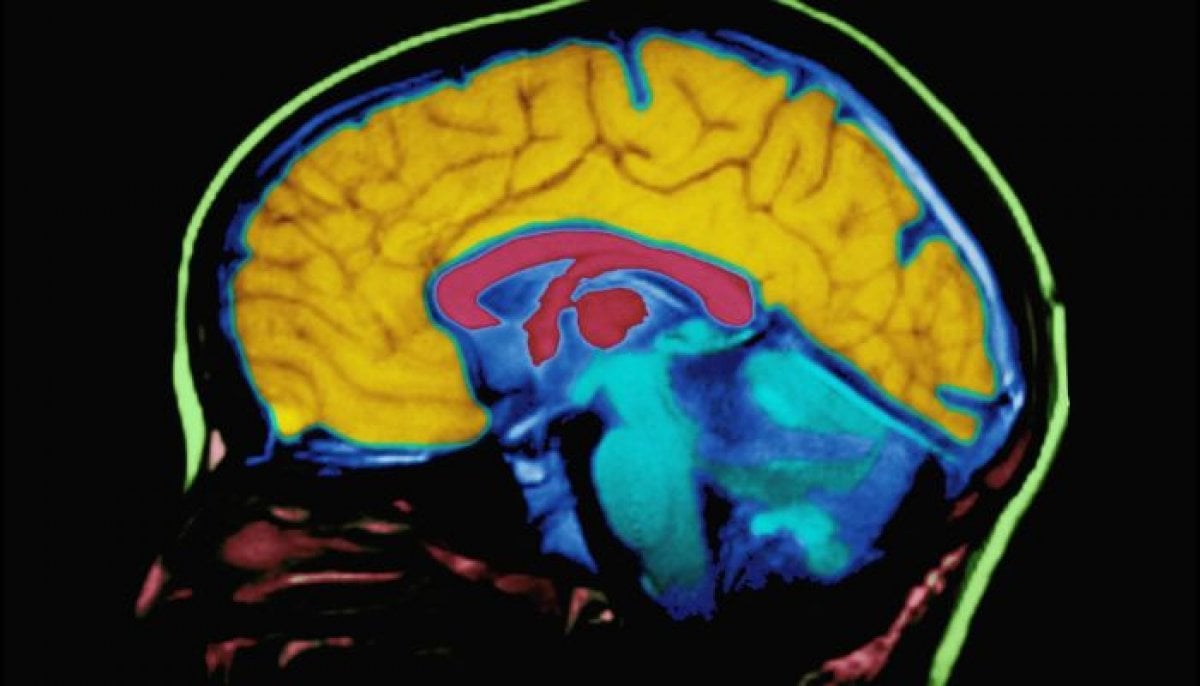 Was the human brain once two separate organs? Scientists find new clues
 -
 Novo Nordisk partners with Anthropic to accelerate AI-powered drug discovery
 -
 Congo Ebola outbreak reaches turning point as daily infections fall
 -
 Study reveals why some babies are born with heart defects
 -
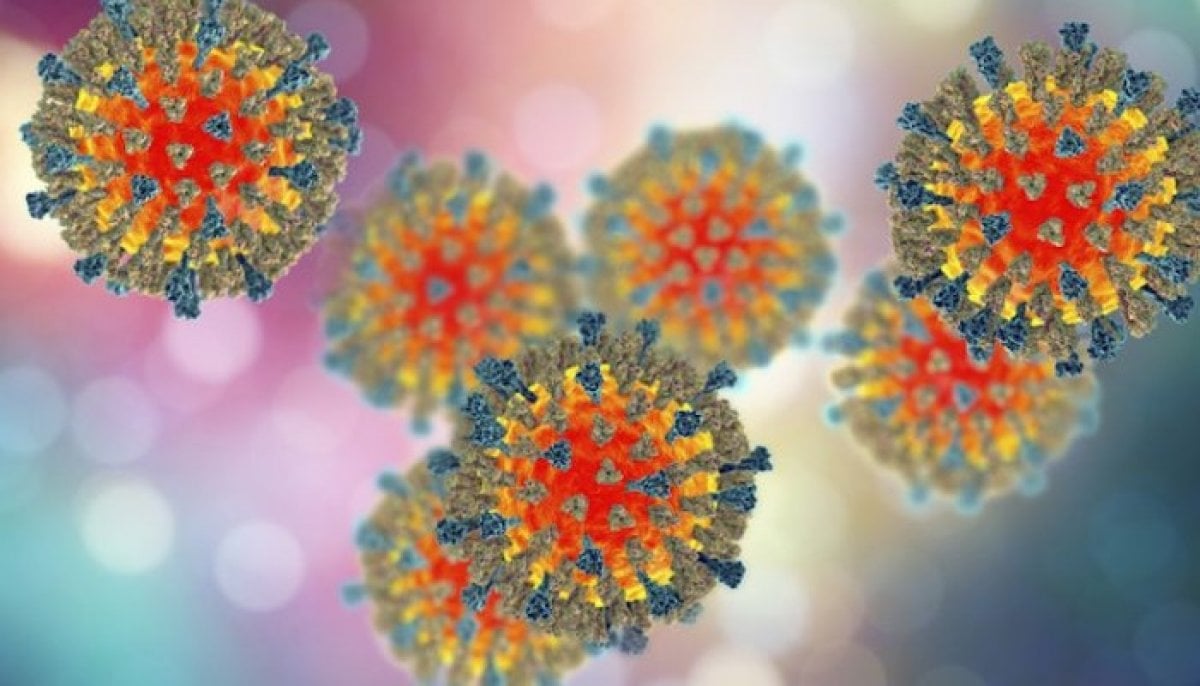 Third measles-associated death reported as Pennsylvania outbreak reaches 676 cases
 -
 Cyclosporiasis outbreak: US officially ends largest outbreak linked to contaminated lettuce
-
 Hot beverages increase risk of cancer? New research provides in-dept details
 -
Highest-level recall issued for potato chips over banned ingredient posing death risk
-
Very hot tea and coffee could triple cancer risk, Oxford study warns
-
Global study reveals nearly 1.7 million deaths linked to second-hand smoke exposure in 2023