'Mixed dementia' myth debunked by expert
A psychologist has clarified the meaning of 'mixed dementia' and what it means for patients

A psychologist has clarified the actual definition of “mixed dementia” whilst addressing a widespread misunderstanding.
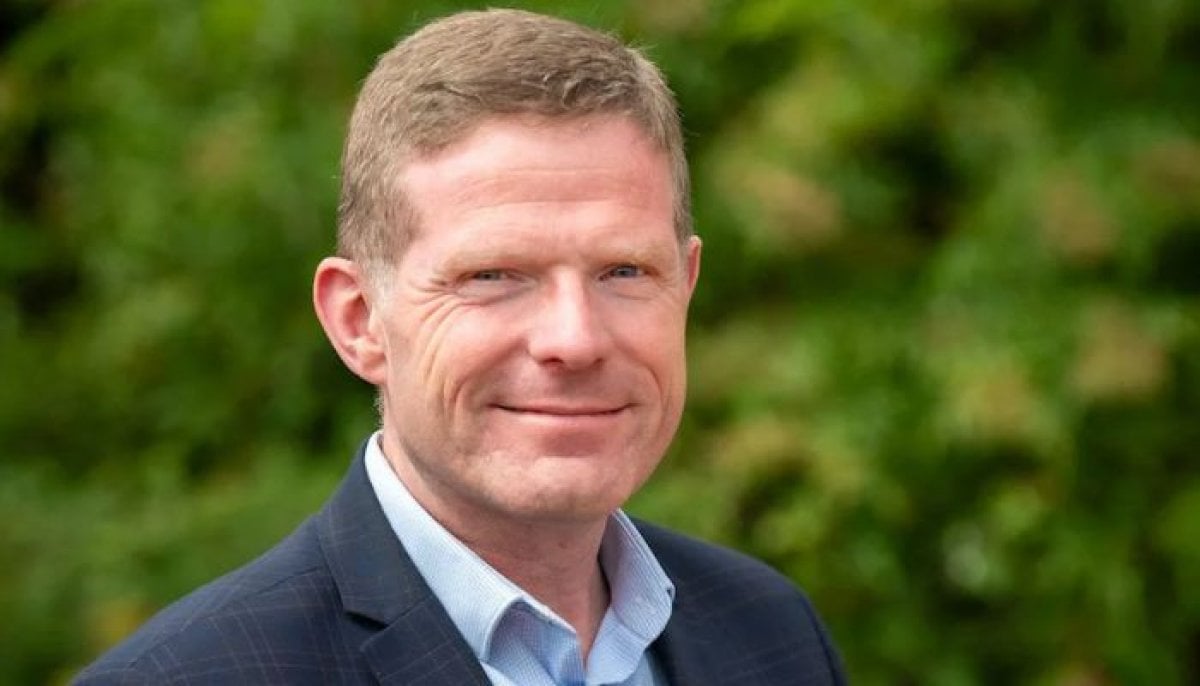
Dr Kelynn Lee, Chief Executive of the Dementia Care Hub and a committed researcher specialising in cognitive decline, recently took to his TikTok account to address a follower's question.
The follower had recently discovered their mother had been diagnosed with mixed dementia, although they assumed it simply meant doctors were uncertain about the exact type of dementia, Dr Lee insisted this was a misconception.
According to the Express, in a video, she said: "No. So, a mixed dementia is when a person has more than one type of dementia. Ok, so rather than just having Alzheimer’s disease, they will have Alzheimer’s disease plus vascular dementia, as an example.”
"That’s probably the most typical one when we are talking about mixed dementias. So, no, it isn’t that they aren’t sure what it is, it’s the fact that it’s two types of dementia,” she added.
Dementia serves as an umbrella term covering multiple conditions, including Alzheimer's disease, each characterised by progressive deterioration in brain function.
According to NHS figures, more than 944,000 individuals across the UK are currently living with dementia, whilst the Alzheimer's Society indicates that mixed dementia affects one in every 10 people.
Official guidance at Alzheimer's Society adds: "Alzheimer’s disease with vascular dementia. This is the most common type of mixed dementia. It’s caused by a person developing Alzheimer’s disease and at the same time having diseased or damaged blood vessels supplying their brain.”
"The two different types of disease combine to make symptoms worse than they would be on their own."
Unfortunately, there is no known cure for mixed dementia, but there are treatments available to reduce or manage its symptoms, which may include confusion, forgetfulness and speech problems, among others.



-
 919 people dead, 4,800 missing as flash floods continue to affect Nepal-China border
 -
 Chappell Roan thanks Olivia Rodrigo in sweet letter post Daisy Chain Fields show
 -
 Fontaines D.C. confirm Slane Castle headline show
 -
 Jenna Ortega reveals she was initially clueless about upcoming movie: ‘you can assume and guess’
-
 'Self-exercising' muscle implants developed by researchers offer workout benefits without movement
 -
 GLP-1 drugs cut US obesity from 39.9% to 36.4%
 -
 New clinical trial highlights precision-dosing strategy for vitamin D deficiency management
 -
 Cyclospora outbreak: USDA research projects shelved amid funding cuts and relocations
 -
 AI tool flags severe heart failure with 91% sensitivity
 -
 Xylitol sweetener may raise stroke and heart attack risks, study suggests
 -
 US FDA approves Mounjaro to reduce cardiovascular risk
 -
 New discovery reveals how the brain could turn off chronic pain