5 Signs You Have High Cortisol Levels and How It Affects You
Often called the “stress hormone,” cortisol plays a key role in how you feel
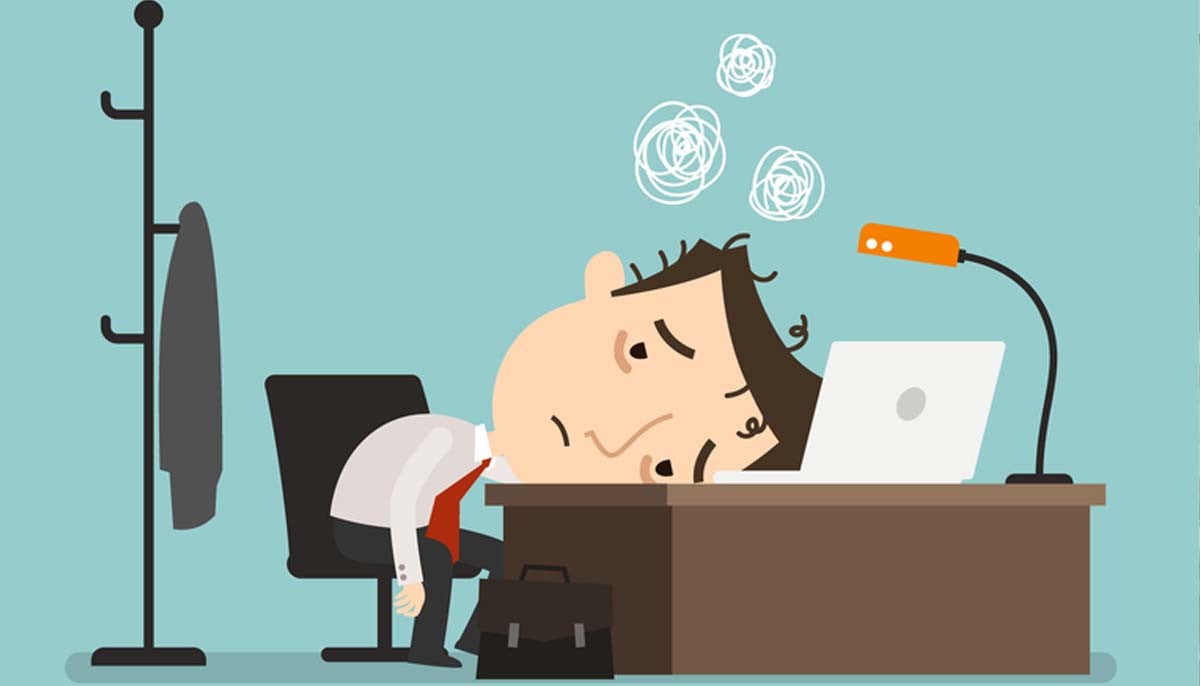
Cortisol, often referred to as the “stress hormone,” plays a vital role in regulating metabolism, blood pressure, and the body’s response to stress.
While cortisol is essential for survival, usually released in a “fight or flight” response, consistently elevated levels—commonly caused by chronic stress, poor sleep, or burnout—can negatively affect both physical and mental health.
Understanding the signs of high cortisol is the first step toward restoring balance and protecting your long-term health.
Persistent Fatigue Despite Adequate Rest
One of the most common signs of high cortisol is constant tiredness. Even after sufficient sleep, individuals may feel drained or mentally foggy. Elevated cortisol disrupts natural circadian rhythms, preventing the body from fully recovering overnight.
Increased Anxiety and Irritability
High cortisol keeps the nervous system in a prolonged “fight or flight” state. This can lead to heightened anxiety, restlessness, mood swings, and increased emotional reactivity. Over time, it becomes harder to feel relaxed.
Weight Gain, Especially Around the Abdomen
Cortisol promotes fat storage, particularly in the abdominal area. Chronic elevation can also increase cravings for high-sugar and high-fat foods, making weight management more difficult despite healthy eating habits.
Difficulty Sleeping
Elevated cortisol levels at night interfere with melatonin production, leading to trouble falling or staying asleep. Poor sleep further increases cortisol, creating a stress cycle.
Weakened Immune Function
Long-term high cortisol suppresses immune responses, making the body more susceptible to frequent infections, slow healing, and inflammation-related issues.
While cortisol is essential for managing short-term stress, prolonged elevation can quietly erode physical health and emotional stability. Recognizing these signs allows early intervention through stress management, improved sleep, and lifestyle adjustments.



-
 New Amgen drug combination shows survival gains in lung cancer trial
 -
 World’s first AI-powered lab aims to prevent future pandemics
 -
 New personalized cancer vaccine cuts Melanoma recurrence risk by 42%, trial shows
 -
 Prime editing rewrites DNA inside human body for the first time
 -
 WHO investigates mystery Ebola case in Nigeria as outbreak spreads beyond DR Congo
 -
 Virginia Sen. Louise Lucas indicted on racketeering and marijuana charges
 -
 France confirms world's first human case of Shamonda virus; patient dies
 -
 OpenAI agents uncover brain disease leads: Here’s how