Prostate cancer care takes major step to prevent severe treatment pain
A new technique has been unveiled to reduce the severe side effects of advanced prostate cancer therapy

A new way to prevent excruciating pain from the side effects of advanced prostate cancer therapy has been developed.
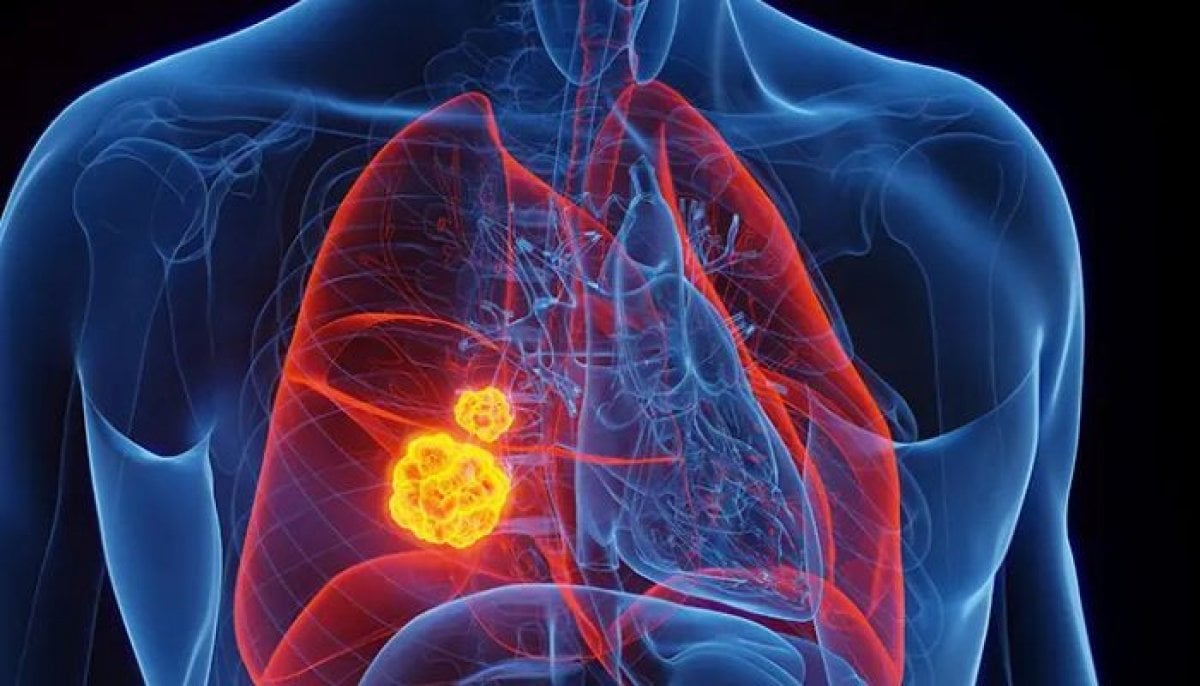
Many men with late-stage prostate cancer are given a powerful type of treatment that targets cancer cells directly.
But this treatment can badly damage the salivary glands, causing severe dry mouth. This makes it hard to eat, swallow, and even talk, and for some patients, the discomfort is so intense they choose to stop the treatment, even though it could save their lives.
The new approach, conducted by scientists at Case Western Reserve University is described in a recent study published in the journal Molecular Imaging and Biology.
The researchers say their treatment is just as effective at finding and destroying prostate cancer cells as the current methods, but it causes far less harm to the salivary glands.
The treatment works by targeting a protein called PSMA, which stands for Prostate-Specific Membrane Antigen and is found in large amounts on prostate cancer cells.
The therapy uses a method called radioligand therapy, where a small radioactive particle is attached to a guiding molecule.
This molecule works like a GPS system, directing the radiation straight to the cancer cells while leaving most of the healthy tissue alone.
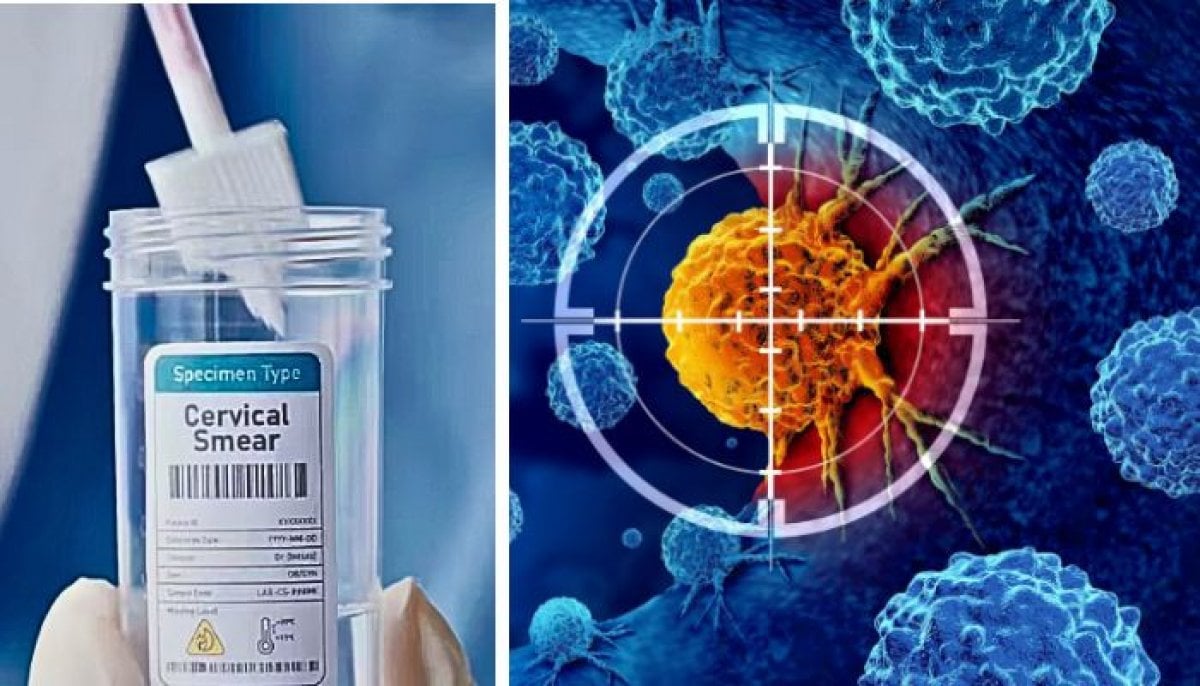
This kind of precision treatment is one of the most exciting options for patients with end-stage prostate cancer because it works like a smart missile, locking on to the cancer cells.
But the problem has been the damage it does to salivary glands, which also have PSMA and get hit by the radiation. The result is a very dry mouth, which makes daily life hard for many patients.
Dr. James Basilion, a professor of biomedical engineering at Case Western, explained that past attempts to reduce this side effect haven’t worked well. But now, the team has created a new guiding molecule called PSMA-1-DOTA, which has better targeting abilities than the older ones.
Dr. Xinning Wang, who helped lead the research, said PSMA-1-DOTA binds four times better to cancer cells than the current treatments.
DOTA is a special compound that holds radioactive metals tightly. This helps keep the radioactive part stable and connected to the molecule that targets the cancer cells.
In lab tests, PSMA-1-DOTA showed strong results. It still attacked the tumors effectively but caused much less damage to the salivary and tear glands. This means the new treatment could nearly eliminate the risk of dry mouth while keeping the same power to fight cancer.







-
 New clinical trial highlights precision-dosing strategy for vitamin D deficiency management
 -
 Cyclospora outbreak: USDA research projects shelved amid funding cuts and relocations
 -
 AI tool flags severe heart failure with 91% sensitivity
 -
 Xylitol sweetener may raise stroke and heart attack risks, study suggests
 -
 US FDA approves Mounjaro to reduce cardiovascular risk
 -
 New discovery reveals how the brain could turn off chronic pain
 -
 Malaria outbreak at Frankfurt airport leaves two dead, six infected
 -
 World’s first AI-assisted brain surgery patient has tumour removed