
NHS warns thousands of heart patients taking propranolol
NHS has revealed the severe side effects of propranolol and when to call emergency
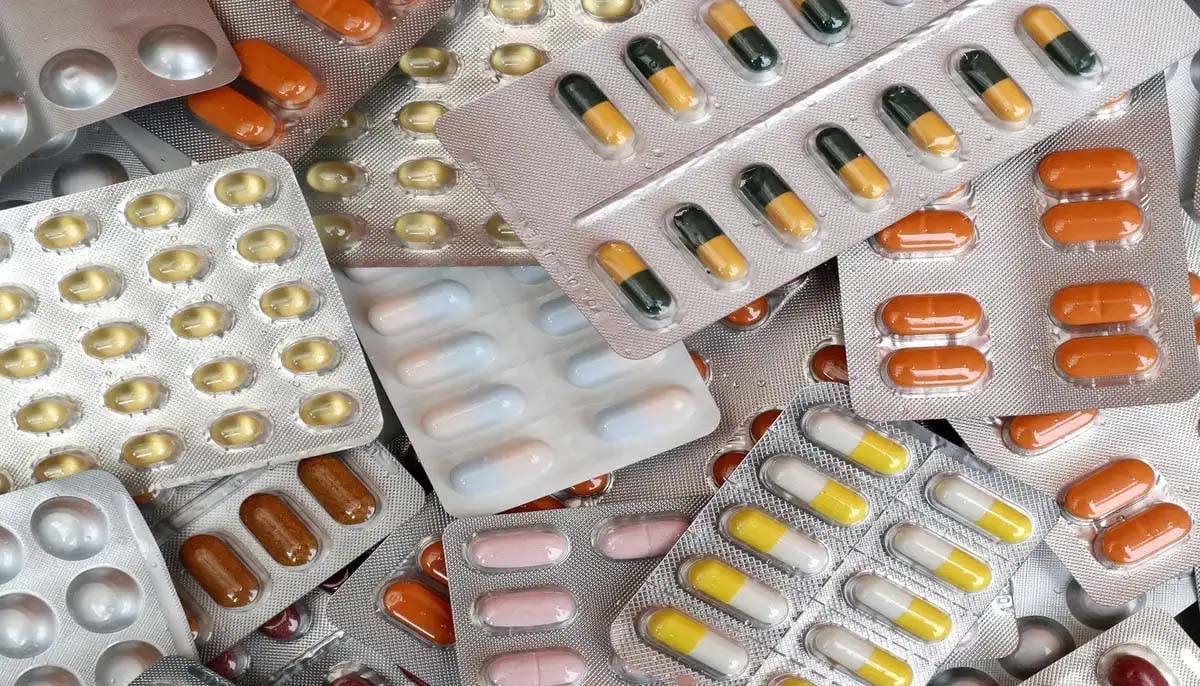
NHS has announced a serious warning for those with cardiovascular (heart) issues taking propranolol.
People who have been prescribed a common heart medication should watch out for signs of issues with their blood and kidneys.
There is an alert on the NHS website to call emergency if patients start noticing yellow skin or "10-minute nosebleeds."
As per NHS guidance, propranolol is a “beta blocker” drug designed to treat heart problems, help with some of the symptoms of anxiety and prevent migraines.
The medicine, only available on prescription, slows down your heart rate and makes it easier for your heart to pump blood around your body.
It's usually prescribed for high blood pressure and other heart problems. But it can also help with the physical symptoms of anxiety, like sweating and shaking.
Typically, this tablet is taken once a day and is available in a standard or slow-release form. People may experience side effects, especially when they first start to take propranolol.
The NHS states: "Like all medicines, propranolol can cause side effects in some people, but many people have no side effects or only minor ones. Side effects often improve as your body gets used to the medicine."
Most adults and children aged 12 and over can take propranolol, but there are a few exceptions such as if patients have had conditions such as low blood pressure, heart failure, depression or diabetes before, this could influence dosage or finding an alternative medication altogether.
An important note her is don't suddenly stop taking your prescribed propranolol without talking to your doctor first, because it could cause serious heart issues like angina (chest pain) or even a heart attack.






-
 US FDA approves Mounjaro to reduce cardiovascular risk
 -
 New discovery reveals how the brain could turn off chronic pain
 -
 Malaria outbreak at Frankfurt airport leaves two dead, six infected
 -
 World’s first AI-assisted brain surgery patient has tumour removed
 -
 Study reveals China's lung cancer deaths to hit 760,000
 -
 Scientists find clue to lower dementia risk in older adults through new ‘game-changer’ vaccine
 -
 First US measles deaths of 2026 reported in Pennsylvania
 -
 NHS England to roll out free home testing kits for cervical cancer
-
 New study reveals irregular sleep patterns accelerate biological aging
 -
80% of young adults already have heart risk factors: Study finds
-
Australia confirms first H5N1 bird flu case in mammals after seal dies due to infection
-
Study reveals why female immunity differs from men's–The science of the biological divide


