A new study is changing what we thought about eggs and cholesterol
Famous statement about eggs disturbing your body cholesterol has been challenged

There is a popular myth about eggs, that eating them daily causes high cholesterol.
However, a new study has debunked this myth, stating that this might not be entirely accurate.
In fact, it could have the opposite effect as experts at Harvard Health say: "Eggs might not contribute to high levels of LDL ("bad") cholesterol as previously thought, according to a study published in the July 2025 issue of The American Journal of Clinical Nutrition. Instead, the amount of saturated fat in one’s diet is the greater health concern."
As part of the research, 48 adults with high LDL levels were rotated through three distinct five-week diets.
- Diet A: High cholesterol/Low saturated fat (included 2 eggs daily).
- Diet B: Low cholesterol/High saturated fat (no eggs).
- Diet C: High cholesterol/High saturated fat (included 1 egg daily).
Across all groups, the increase in "bad" cholesterol was significantly linked to saturated fat intake, rather than dietary cholesterol from eggs.
Participants who ate two eggs per day actually saw a decrease in their LDL levels, provided the rest of their diet was low in saturated fat.
The study highlighted that LDL-raising fats are primarily found in foods such as beef, lamb, pork, and processed meats. It was also said to be found in butter, cheese and ice cream as well as palm oil.
It also clarified that "cardiovascular disease (CVD) remains a leading cause of death. Although dietary cholesterol from eggs has been a focus of dietary guidelines, recent evidence suggests that saturated fat has a greater impact on LDL cholesterol."



-
 Who is Song Li? China puts her forward for WHO leadership role
 -
 CDC monitors travelers from Siberia after plague worker’s death, director says
 -
 Russia pushes back on plague death reports, defends WHO notification
 -
 WHO deems Russia plague risk 'low' following lab technician’s fatal illness
 -
 New York declares Measles state of emergency amid nationwide disease resurgence
 -
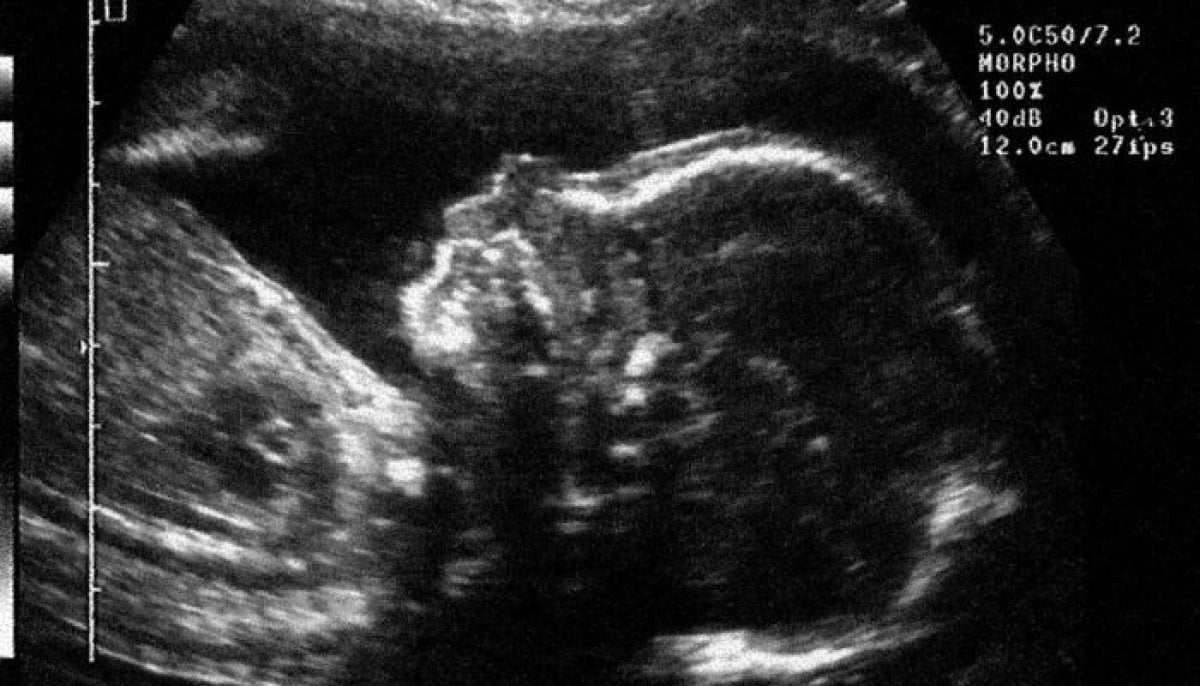 First-of-its-kind treatment shrinks unborn baby’s tumour before birth
 -
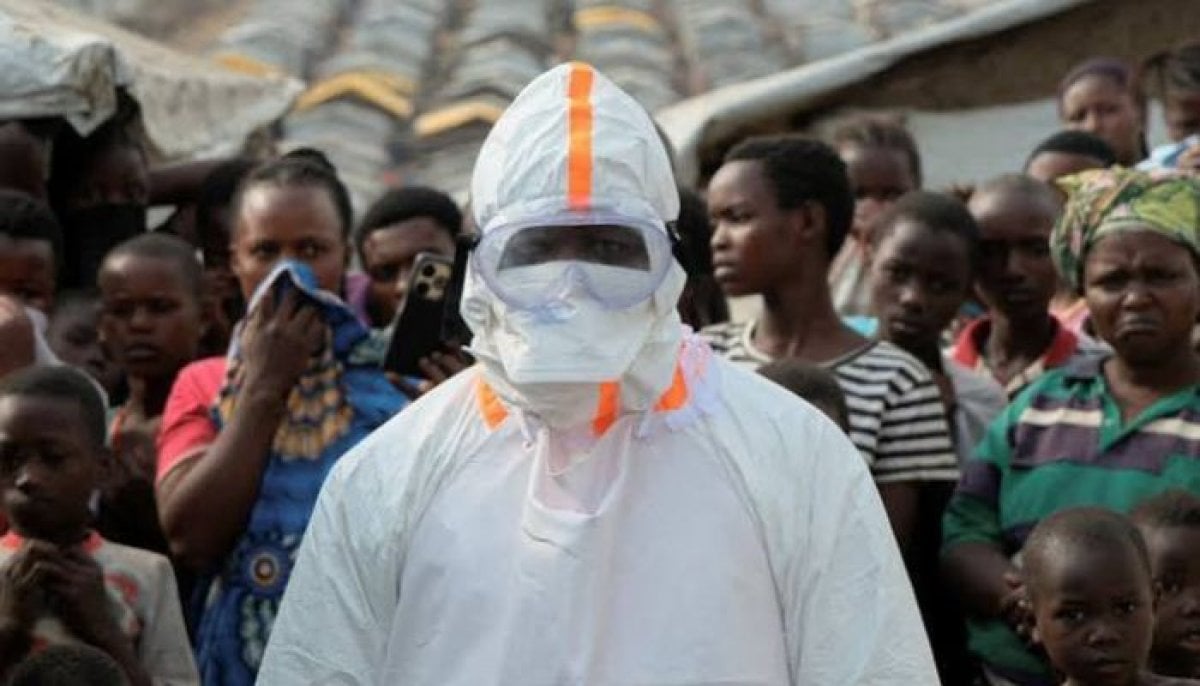 France steps up Ebola support in Congo as fears of resurgence grow
 -
 Vance’s fraud crackdown may raise health insurance costs for Americans
-
 One common mistake elevates blood pressure readings by 7 points, study warns
 -
Moderna loses US government license defense in patent case
-
Novo says new Ozempic shows lower cardiovascular risk compared with Lilly’s Mounjaro
-
University of Nottingham researchers say new gel could regrow tooth enamel in weeks