
New research reveals Iron deficiency could lead to Parkinson's disease
Iron is an essential mineral for the body that helps in cell function and hemoglobin production
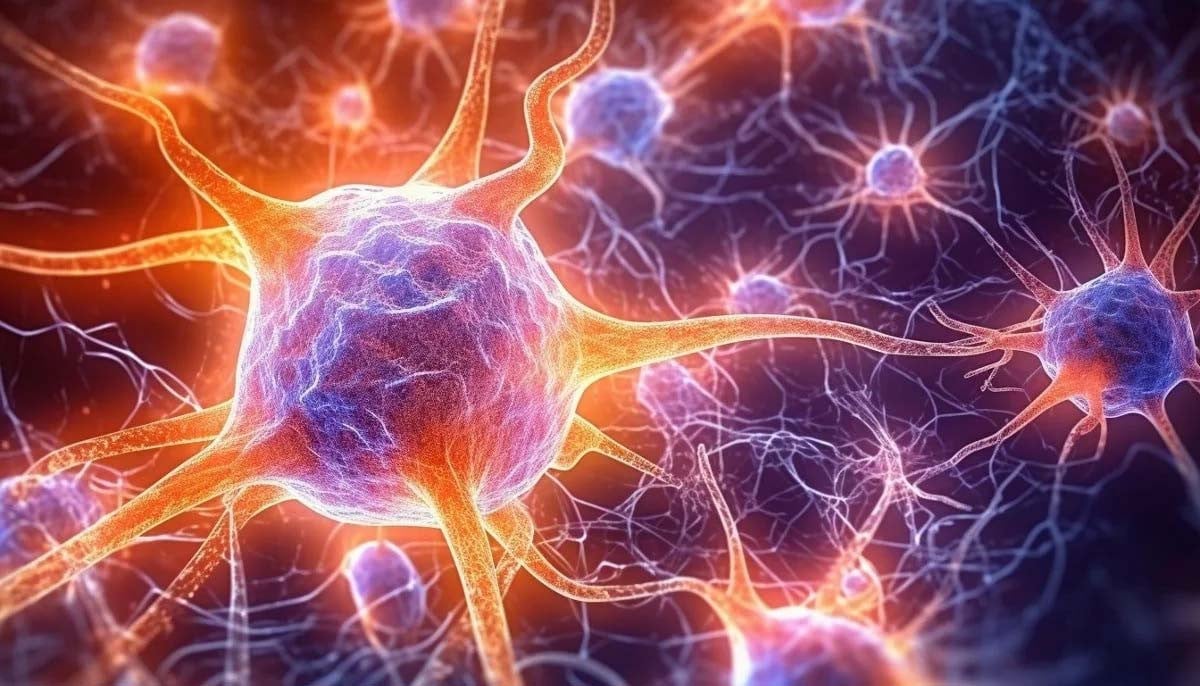
Iron is one of the most essential minerals for your body however, did you know it can trigger Parkinson’s disease (PD) if not taken in the right amount.
In a recent perspective published in the Journal of Clinical Investigation, researchers discussed evidence that challenges a long-standing scientific belief that Parkinson’s disease is commonly hypothesised to be driven by toxic iron overload in the brain.
They argued instead that the disease could involve a functional iron deficiency, in which biologically usable iron is low despite high total iron and both could exist simultaneously with regionally elevated iron signals.
Restoring iron availability, rather than removing iron, could represent a possible avenue of treatment.
For decades, abnormal iron accumulation has been linked to Parkinson’s disease, particularly in the substantia nigra, the brain region which is most affected in PD.
This association led to the dominant hypothesis that excess iron drives neurodegeneration through oxidative stress and iron-dependent cell death pathways.
Recent clinical trials suggest that removing iron from the brain can worsen symptoms, especially in patients who have not yet initiated dopaminergic therapy, a line of treatment for PD.
These unexpected findings have forced a reconsideration of the role of iron in Parkinson’s and opened the door to an alternative explanation, functional iron deficiency. In such cases, total iron levels are normal or perhaps elevated, even as bioavailable ferrous iron (Fe2+), which is essential for cellular processes, is insufficient.
However, the lack of benefit and potential harm observed in iron removal trials directly challenge this model.
If iron overload were truly driving Parkinson’s, removing iron should have improved outcomes. Instead, worsening symptoms suggest that iron removal may deprive already vulnerable neurons of the iron they need for survival and function, particularly at earlier disease stages.







-
 US FDA approves Mounjaro to reduce cardiovascular risk
 -
 New discovery reveals how the brain could turn off chronic pain
 -
 Malaria outbreak at Frankfurt airport leaves two dead, six infected
 -
 World’s first AI-assisted brain surgery patient has tumour removed
 -
 Study reveals China's lung cancer deaths to hit 760,000
 -
 Scientists find clue to lower dementia risk in older adults through new ‘game-changer’ vaccine
 -
 First US measles deaths of 2026 reported in Pennsylvania
 -
 NHS England to roll out free home testing kits for cervical cancer
-
 New study reveals irregular sleep patterns accelerate biological aging
 -
80% of young adults already have heart risk factors: Study finds
-
Australia confirms first H5N1 bird flu case in mammals after seal dies due to infection
-
Study reveals why female immunity differs from men's–The science of the biological divide


