Science reveals not all germs are ‘threat’: Some might be healthy for us
Scientists reveal secrets about microbes that keeps us healthier and suggest restoring them
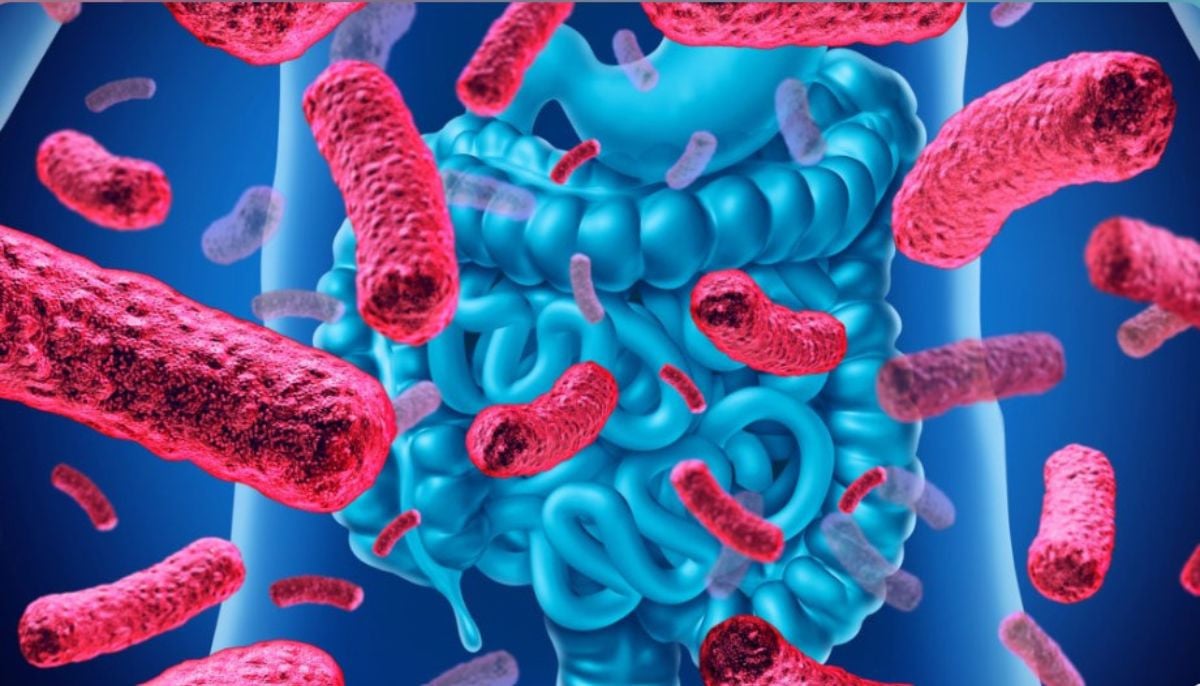
Scientists reveals never-heard before information about microbes that keep us healthy.
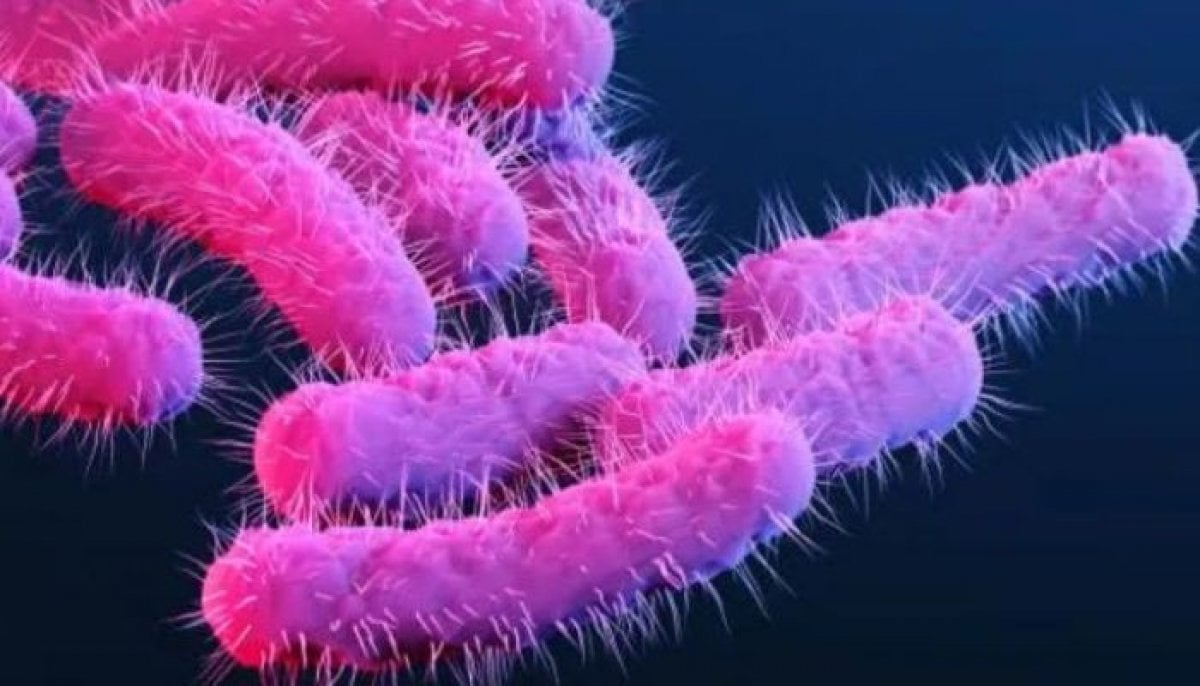
In breakthrough research, scientists discover that not all bacteria or viruses possess harmful effects; instead, some may be beneficial for our health as not all microbes make us sick and some might be vital to keeping us healthy.
To evaluate this,rsearchers have created a world-first database that tracks beneficial bacteria and natural compounds linked to immune strength, stress reduction, and resilience.
The findings from Flinders's team, challenged the long-standing obsession with germs as 'threats' and instead highlighted the hidden health benefits of biodiversity—a shift that could influence everything from urban design to environmental restoration.
Flinders microbial ecologist Dr. Jake Robinson and his colleagues explore this shift in a new paper published in Microbial Biotechnology.
The research encourages moving beyond a fear-based view of microbes and biogenic compounds and instead recognizing their potential health benefits.
"Emerging evidence shows that exposure to diverse environmental microbiomes and natural biochemical products also promotes health and resilience," says Dr. Robinson.
"Rather than viewing biodiversity as something to be eliminated, contemporary approaches recognize the vital role of diverse ecosystems in creating salutogenic, or health-promoting, environments."
Despite their importance, salutogenic microbes support health as they play key roles in immune regulation, metabolism, disease suppression, stress reduction, and ecosystem stability.
Robinson explained that for about a century, microbes and chemicals in the air have mainly been studied as threats—causes of infection, disease and contamination.
The new research unveils the invisible biodiversity that actively supports human and planetary health.
In related research, Dr. Robinson has worked with Chinese scientists to show that urban soils contain more pathogens than forest soils.
Published in Communications Earth and Environment (Nature Springer), the findings emphasize the need to better understand how bacterial zoonotic pathogens build up in densely populated urban areas and what that means for both human health and soil biodiversity.
Microbes also support skin and reproductive health, influencing mental well-being while giving other benefits like improved nutrient absorption, reduced inflammation and better blood sugar control.
There are different types of microbes, but the commonly found includes,Fungi,Algae,bacteria,viruses,protozoa,Archae and Prions.
Dr. Robinson advises that by restoring healthy microbes, we can take numerous benefits from them.
A vast collection of microbes in and on the body are known as ‘Microbiome.’
Scientists suggest that microbes are vital for human health, producing vitamins, aiding digestion, training immune systems to fight pathogens.
Microbes also support skin and reproductive health, influencing mental well-being while giving other benefits like improved nutrient absorption, reduced inflammation, and better blood sugar control.
"Just as biodiversity loss threatens our health, restoring microbial and biochemical richness could be a key to healthier futures," says Robinson.
Additionally, scientists aim to study this mechanism in more depth while performing different experiments.
"We're not viewing this database as a finished tool. It's a foundation and an invitation for scientists, practitioners, and communities to co-create a fuller picture of how invisible biodiversity sustains our lives."


-
 Eli Lilly’s Foundayo weight-loss pill gets European approval recommendation
 -
 What is BPC-157? Trump administration considers easing rules on popular peptide injections
 -
 West Nile virus: Europe reports 141 deaths as human cases rise in 2026
 -
 Health Canada reviewing new mRNA flu vaccine that could prevent more hospitalisations
 -
 Scientists discover hidden drainage route at the back of the eye
 -
 WHO confirms death at Russian research lab, says no plague case registered
 -
 Getting a $90 check from Social Security? Here’s why
 -
 Measles cases in US top 4,000 nationwide, CDC reports
-
 Sexually transmitted diarrhea spread in US, UK: Why antibiotics are failing against Shigella
 -
Who is Song Li? China puts her forward for WHO leadership role
-
CDC monitors travelers from Siberia after plague worker’s death, director says
-
Russia pushes back on plague death reports, defends WHO notification