New research on type 2 diabetes offers fresh hope for treatment
Scientists may be closer to a cure for Type 2 Diabetes than we think
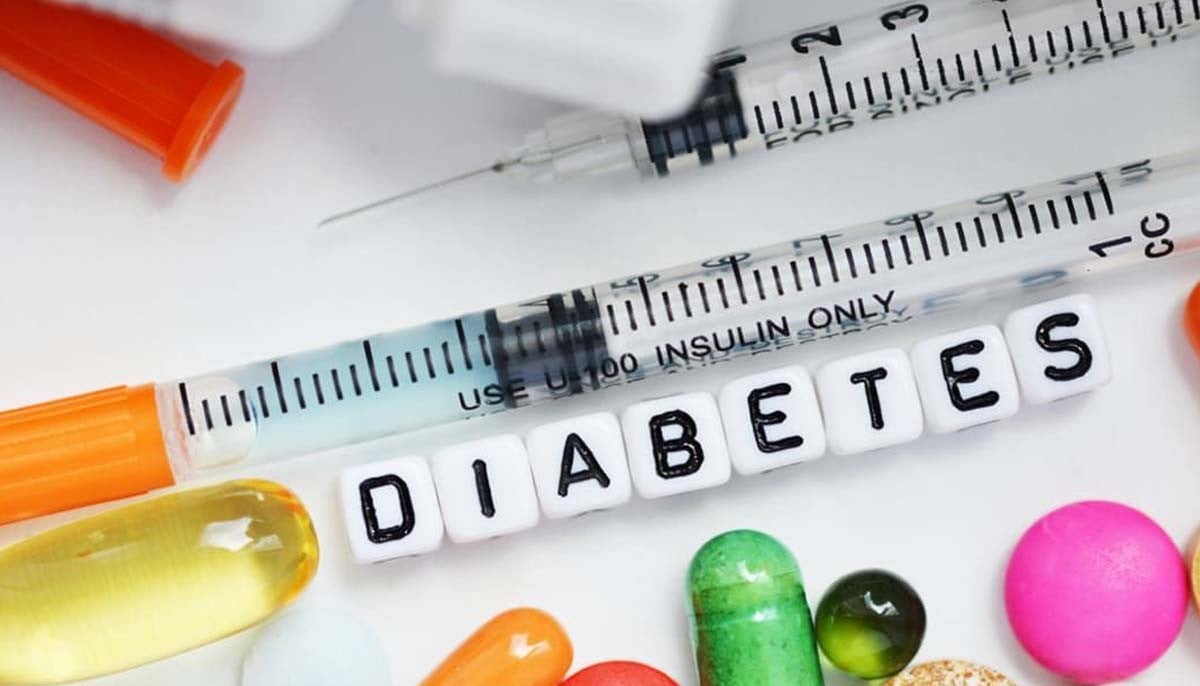
Scientists at City of Hope have discovered a gene that plays a surprising role in the development of type 2 diabetes (T2D).
The gene, which is called SMOC1, seems to cause certain cells in the pancreas that are normally responsible for lowering blood sugar—to start doing the opposite and raise blood sugar instead.
These findings could open the door to new ways of treating, diagnosing, and possibly preventing T2D.
The study was published in Nature Communications and focused on understanding how insulin-producing cells in the pancreas disappear or stop working properly in people with diabetes.
The pancreas contains small clusters of cells known as islets. Within these islets, beta cells produce insulin, a hormone that lowers blood sugar, and alpha cells produce glucagon to raise blood sugar.
When produced properly by the pancreas the two hormones keep a healthy balance in the body, controlling blood sugar levels.
In people with type 2 diabetes, that balance is thrown off. Some beta cells begin to lose their identity.
Instead of producing insulin, they start acting like alpha cells and begin making glucagon. This leads to higher blood sugar levels and a worsening of diabetes.
To understand why this happens, scientists analyzed individual islet cells from 26 people—half had type 2 diabetes and the other half did not.
They used a powerful technique called RNA sequencing to study how the cells change over time.
The research team found that in healthy people, some cells were flexible and could mature into either alpha or beta cells.
But in people with diabetes, this flexibility was lost. Beta cells only transitioned into alpha cells, never the other way around. This one-way shift helps explain why insulin levels drop while glucagon levels rise in people with T2D.
This research does give hope that by targeting the root causes of type 2 diabetes at the genetic level, new treatments may one day be able to help millions of people better manage or even reverse their condition.



-
 Study identifies key cause of fatigue and brain fog
 -
 Apple’s screenless fitness tracker plans revealed: What to know
 -
 Rabies concerns grow in US, sparking health warnings over fatal virus
 -
 This popular cooking garnish may offer surprising benefits for brain health
 -
 Was the human brain once two separate organs? Scientists find new clues
 -
 Novo Nordisk partners with Anthropic to accelerate AI-powered drug discovery
 -
 Congo Ebola outbreak reaches turning point as daily infections fall
 -
 Study reveals why some babies are born with heart defects
-
 Third measles-associated death reported as Pennsylvania outbreak reaches 676 cases
 -
Cyclosporiasis outbreak: US officially ends largest outbreak linked to contaminated lettuce
-
Hot beverages increase risk of cancer? New research provides in-dept details
-
Highest-level recall issued for potato chips over banned ingredient posing death risk