'Safe' painkiller under major scrutiny over serious side effects
A study claims that a commonly used pain killer may be more deadly than you think

The world’s most commonly prescribed opioid for pain has been shown to offer limited relief benefits while elevating the risk of deadly cardiovascular events.
Research published in BMJ Journals states Tramadol, the most popular opioid painkiller around the world, with the US alone seeing over 16 million prescriptions in 2023, has been prescribed for decades as a treatment for moderate to severe chronic pain.
Doctors have relied on it because of a long-held clinical belief that it has a lower potential for addiction compared to other opioids such as oxycodone and fentanyl.
But researchers in Denmark conducted a analysis of past clinical trials and concluded that not only does the drug offer clinically insignificant pain relief, but it also increases the overall odds of having any serious adverse event by more than double.
The analysis covered 19 studies that included more than 6,500 people taking either tramadol or a placebo drug.
The side effects, in addition to higher odds of experiencing chest pain, coronary artery disease (CAD) and congestive heart failure, also included nausea, dizziness and constipation.
The researchers said: “Tramadol may have a slight effect on reducing chronic pain (low certainty of evidence) while likely increasing the risk of both serious… and non- serious adverse events.”
“The potential harms associated with tramadol use for pain management likely outweigh its limited benefits,” they added.
Tramadol can be given both in the hospital and outpatient for someone to take at home but like any opiate, tramadol carries some risk of addiction.
Amid the opioid crisis, physicians find it challenging to identify an opioid that is completely safe for pain relief and are caught between significant pressure to curb prescriptions and the duty to address genuine patient suffering.







-
 What to know before using weight-loss drugs like Ozempic
 -
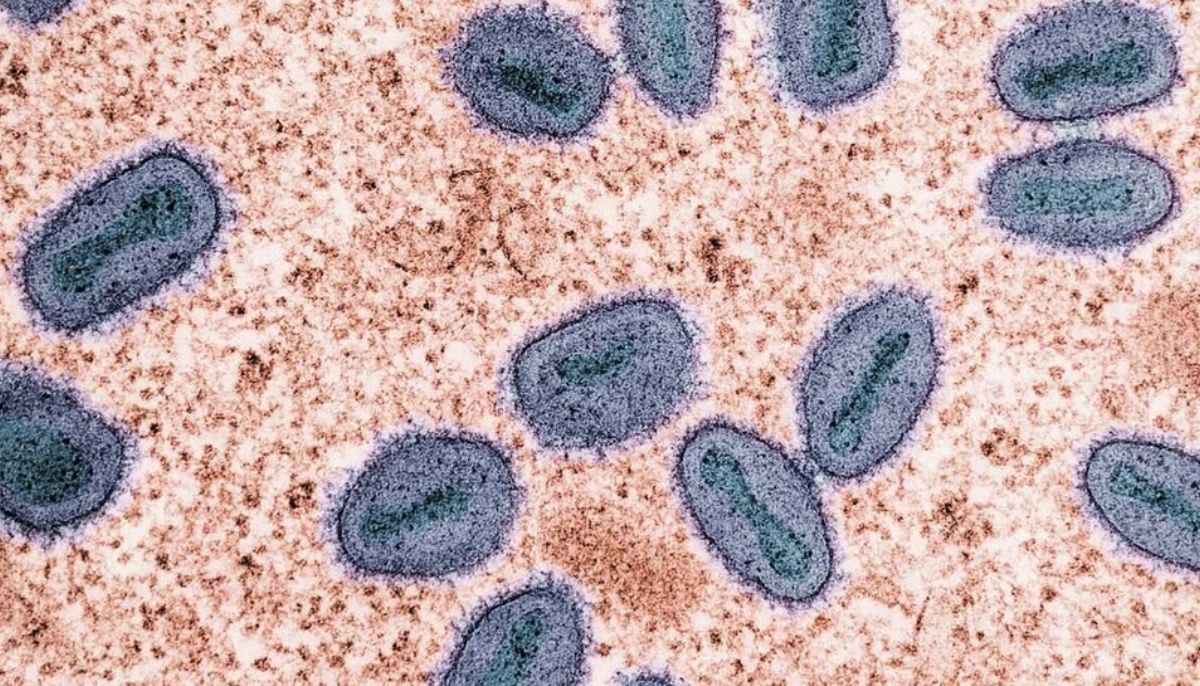 Singapore confirms first local spread of mutated monkeypox clade Ib strain
 -
 World Autism Awareness Day: Celebrating different minds, shaping a shared future
 -
 Some grief never goes away—Scientists now know why
 -
 E-cigarettes: A proving quitting tool that still carries health risks
 -
 Eli Lilly expands $2.75B AI-enabled drug discovery deal with Insilico Medicine
 -
 London sewage detects polio weeks after funding drop
 -
 COVID-19 ‘Cicada’ variant: Here’s everything to know
-
 Eye drops made from pig body fluid could revolutionize cancer treatment, new study says
 -
Paul Conyngham uses ChatGPT, AlphaFold to develop a life-saving cancer vaccine for his dog
-
'Cicada' COVID variant detected in multiple countries as experts study mutation risks
-
Metformin’s hidden brain pathway uncovered after 60 years