Changing cervical cancer’s future: Who gets the HPV vaccine?
A study on cervical cancer, caused by the HPV virus, suggests an innovative vaccination plan
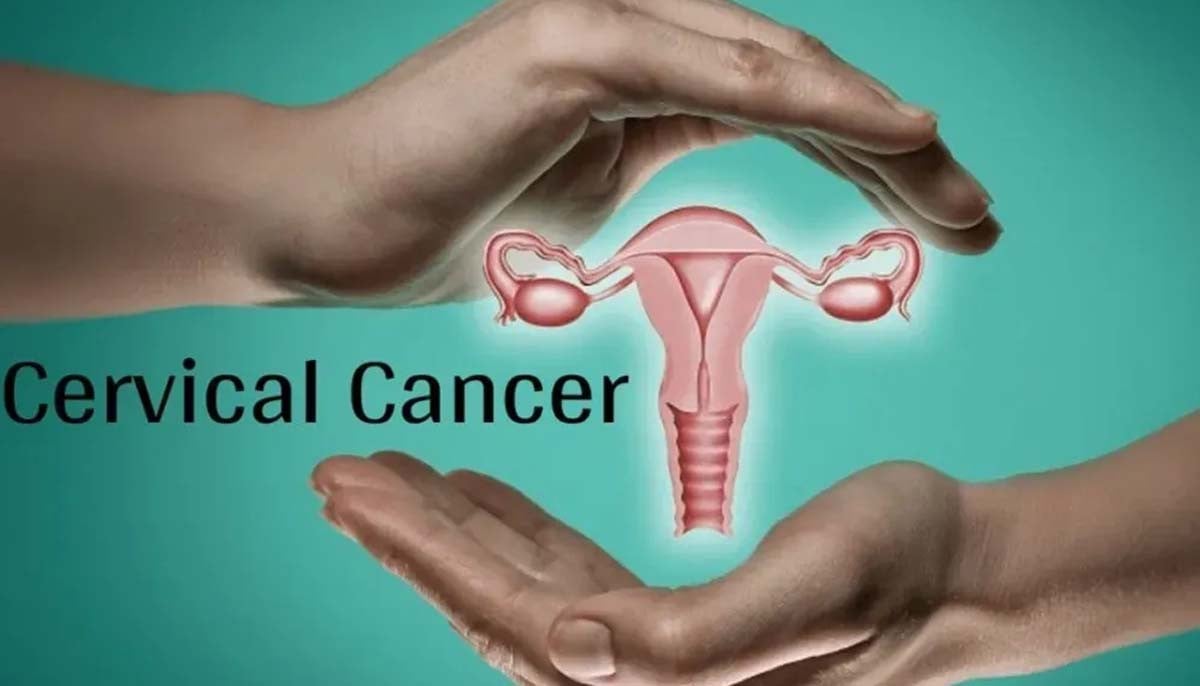
A latest study has brought about a ground breaking discovery.
Eradicating cervical cancer may require vaccinating against the human papillomavirus, not just in girls but in boys as well.
The virus, which is commonly known as HPV, is responsible for the most widespread sexually transmitted infection in the world but current vaccination drives only target girls.
Although the infection can remain without any symptoms and resolve naturally within two years in 90% of ¬cases, its persistence can lead to cancer in some people.
HPV-induced cervical cancer is the fourth most common cancer in ¬women, with nearly 660,000 new cases and 350,000 deaths every year.
HPV vaccines, shown to be effective in minimising disease spread and cancer risk, are currently offered and recommended in 147 countries.
But the best vaccination strategy to eradicate HPV-induced cervical cancer remains debatable, researchers say.
Now scientists have come up with a new mathematical model to help public health officials design more effective HPV vaccination programmes.
Cervical cancer is one of the few cancers effectively prevented by vaccines
The model, detailed in a new study published in the journal Bulletin of Mathematical Biology, assessed whether a recent HPV vaccination programme in South Korea was enough to control cervical cancer.
Researchers found that vaccinating boys against HPV, along with ongoing efforts to immunise girls, could be key.
“Cervical cancer is one of the few cancers effectively prevented by vaccines,” Soyoung Park, lead author of the study from the University of Maryland, said.
“It was important to check if the recent government programme for offering vaccines is going to be enough to effectively control the disease in Korea.”
The model shows these policies are insufficient to eliminate HPV and related cancers in the country.
To completely eradicate cervical cancer, researchers estimate that the immunisation drive must cover 99% of women in the country. But vaccinating boys “reduces the pressure of having to vaccinate a large proportion of females”, Dr Abba Gumel, another study author, said.



-
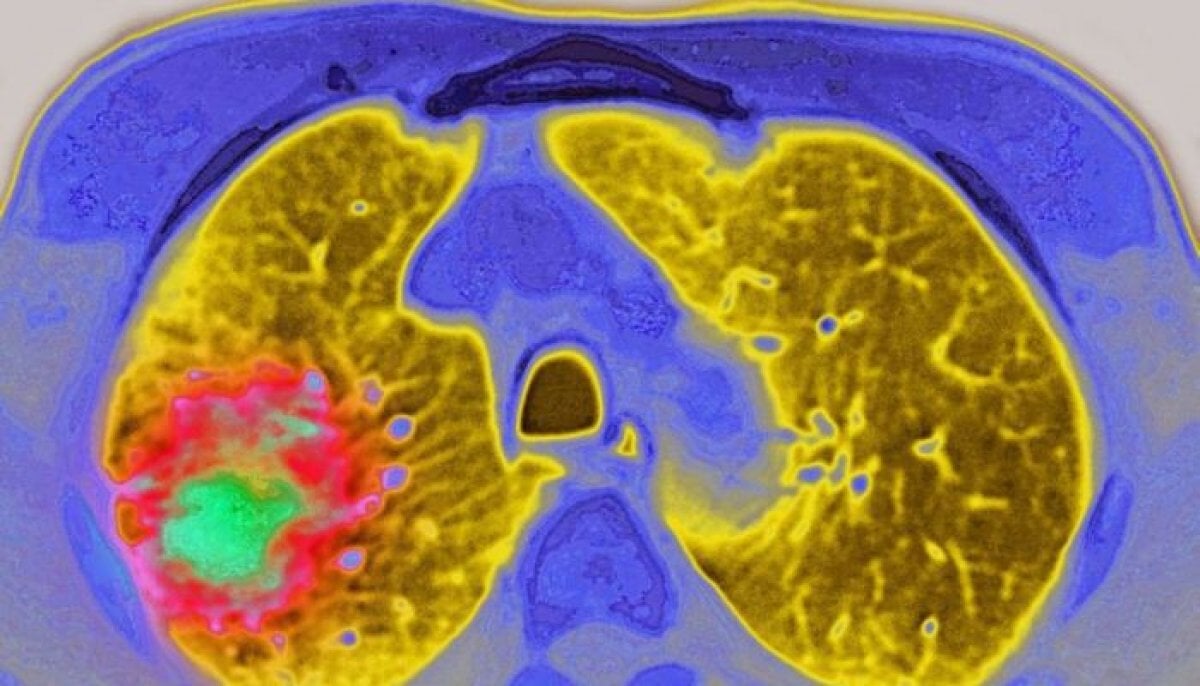 New Amgen drug combination shows survival gains in lung cancer trial
 -
 World’s first AI-powered lab aims to prevent future pandemics
 -
 New personalized cancer vaccine cuts Melanoma recurrence risk by 42%, trial shows
 -
 Prime editing rewrites DNA inside human body for the first time
 -
 WHO investigates mystery Ebola case in Nigeria as outbreak spreads beyond DR Congo
 -
 Virginia Sen. Louise Lucas indicted on racketeering and marijuana charges
 -
 France confirms world's first human case of Shamonda virus; patient dies
 -
 OpenAI agents uncover brain disease leads: Here’s how